Search results for tibetische medizin (11)
Buddhistisch Medizinisches Zentrum

Tulku Lama Lobsang
Buddhistisch Medizinisches Zentrum
Nangten Menlang ist eine Organisation, die sich der Bewahrung und Lehre der Wissenschaft der Tibetischen Medizin und des Buddhistischen Wissens widmet. Tulku Lama Lobsang, die achte Wiedergeburt des Nyentse Lama, hoch angesehener Buddhistischer Meister, Doktor und Astrologe, verkörpert die lebende Übertragung der weltlichen Weisheit. Er lehrt Methoden, um physische Gesundheit, mentales Glücklichsein und Entwicklung des Geistes zu erreichen.
Dem Mittleren Weg folgend, lässt er in jedem die ihm angeborene Weisheit wieder aufleben, die immer existiert hat. Vorträge, Workshops, Retreats, Konsultationen und Behandlungen werden in vielen Ländern weltweit angeboten und von lokalen Zentren organisiert.
THE BOOK OF TIBETAN MEDICINE
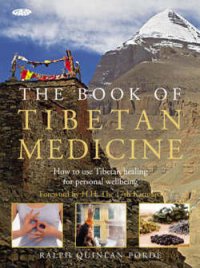
Tibetan medicine is a centuries-old traditional medical system that employs a complex approach to diagnosis, incorporating techniques such as pulse analysis and urinalysis, and utilizes behavior and dietary modification, medicines composed of natural materials (e.g., herbs and minerals) and physical therapies (e.g. Tibetan acupuncture, moxabustion, etc.) to treat illness. The Tibetan medical system is based upon a synthesis of the Indian (Ayurveda), Persian (Unani), Greek, indigenous Tibetan, and Chinese medical systems, and it continues to be practiced in Tibet, India, Nepal, Bhutan, Ladakh, Siberia, China and Mongolia, as well as more recently in parts of Europe and North America. It embraces the traditional Buddhist belief that all illness ultimately results from the „three poisons“ of the mind: ignorance, attachment and aversion. Read more: > Here <
The first illustrated guide to this holistic healing system, The Book of Tibetan Medicine, explains how the ancient Tibetan medical wisdom can be used to achieve spiritual well being in the modern world. Forward by His Holiness The 17th Karmapa.
Tibetan Medicine is an ancient medical system that has been successfully practiced for over 1,000 years and saved by His Holiness The Dalai Lama. A holistic approach combining dietary and behavioral changes, herbal cures, massage and meditation, this unique approach to healing utilizes the ancient wisdom of Tibetan masters. As well as the science of Tantric Buddhism.
http://thebookoftibetanmedicine.blogspot.com/ www.dharma-haven.org/tibetan/medicine-books.htm
The Book of Tibetan Medicine is now available in 11 languages worldwide. The forward has been written by His Holiness The 17th Karmapa. The book has been given excellent reviews by Shambhala Magazine, Mandala Magazine and Yoga Abode to name a few. The author is Ralph Quinlan Forde – Holistic Medicine Consultant – who is the founder of The Medicine Buddha Foundation.
TCM, TRAD. AYURVEDA AND PULSDIAGNOSES
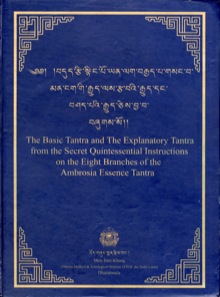
Introduction to Buddhist Ayurveda or Tibetan Medicine – Vata Dosha (Space and Air), Pitta Dosha (Fire and Water), Kapha Dosha (Water and Earth) — Lectures from the „Four Tibetan Medical Tantras“ („rGyud – bzhi“ in Tibetan, pronounced „Ju Shee“ — „Si-Bu-Yi-Dian in Mandarin — in Sanskrit it is called the „Amrta-hrdaya-astanga-guhyopadesa-tantra“ or Amrita Hridaya Astanga Guhyopadesha Tantra)
- >* VIDEO INTRO TO BUDDHIST AYURVEDA OR TIBETAN MEDICINE * <
- >* VIDEO Ayurveda Arthritis Chinese Medicine, Rheumatism …* <
Nalanda College of Buddhist Ayurveda of Nalanda University, part of the 501(c)3 Non-Profit Religious Organization Medicine Buddha Wholistic Ministry – Anonymous American Buddhist Monk of Geluk Nalanda Tradition of Tibet and India, Ayur-Vedic Herbal Medicine Practitioner (http://www.Ayurveda-Berkeley.com – 510-292-6696 in Berkeley, California)AYR220 Ayurvedic Consultation 001 Constitutional Medicine Tibetan Medicine Ayurveda Intake-Form (October 26, 2008)
Dr. Florian Ploberger, Wien , Lehrtätigkeit und Publikationen in den Themenbereichen TCM und Tibetische Medizin seit 2000 im Bacopa Bildungszentrum. Leiter des Wissenschaftlichen Beirates des Bacopa-Bildungszentrum in Oberösterreich sowie Präsident der Österreichischen Ausbildungsgesellschaft für Traditionelle Chinesische Medizin (ÖAGTCM).
BUCHTIPP: > Wurzel-Tantra & Tantra der Erklärungen des rGyud-bZhi , die vier Tantras der Medizin < (The Basic Tantra and The Explanatory Tantra from the Secret Quintessential Instructions on the Eight Branches of the Ambrosia Essence Tantra.) Dieser Text dient seit dem 12. Jahrhundert als Grundlagentext in der Ausbildung der tibetischen Mediziner und wird noch heutzutage auswendig gelernt.
2007 wurde er an den Men-Tsee-Khang (Schule für tibetische Medizin und Astrologie unter der Schirmherrschaft des XIV. Dalai Lama in Dharamsala, Nordindien) eingeladen, um dort Vorträge zu halten.
Zurzeit hält er wöchentlich an der Universität Wien eine Vorlesung über diverse Themen der Tibetischen Medizin und verbringt jedes Jahr mehrere Monate in Dharamsala.
Zu seiner grossen Freude und Ehre wurde er im Sommer 2009 offiziell von Dr. Dawa, dem Direktor des Men-Tsee-Khang, mit der Übersetzung der ersten beiden Teile des bedeutendsten Werkes der tibetischen Medizin: ( rGyud-bZhi*. Deutscher Titel: Vier Tantra der Medizin) beauftragt.
> Pulsdiagnose, die sanfte Botschaft des Körpers <
In diesem Buch werden tiefe Einblicke in die Kunst der Pulsdiagnostik gewährt. Die Autoren beschreiben die Pulsdiagnostik aus Sicht zweier verschiedener traditioneller, östlicher Medizinsysteme: der ayurvedischen und chinesischen Medizin.
Für eine korrekte Diagnostik ist die Pulstastung von entscheidender Bedeutung. In diesem praxisorientierten Buch werden alle wichtigen Aspekte des Pulses unter dem Blickwinkel der verschiedenen Krankheitsmuster dargestellt. Es vermittelt die Technik der Pulstastung sowie die klinische Bedeutung der klassischen Pulsqualitäten.
Die Vorteile für Sie:
- Pulsdiagnostik in 2 verschiedenen Medizinsystemen
- Starker Bezug zur Praxis
- Graphische Darstellung aller Pulsqualitäten
-
Dieses Buch dient sowohl Einsteigern als auch erfahrenen Therapeuten als wichtige Informationsquelle.
Die Autoren dieses interkulturellen Werkes sind:
- Frau Dr. Vinod Verma arbeitet und lehrt als Ayurvedischen Ärztin in Europa und Indien.
- Dr. Florian Ploberger ist Arzt für Allgemeinmedizin und Traditionelle Chinesische Medizin in Österreich.
Tibetan Medicine, Spirituality, Compassion
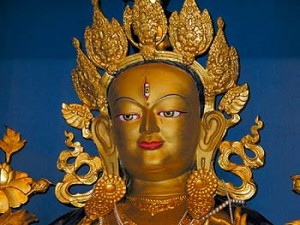
> CONGRESS – 10th anniversary of the New Yuthok Institute <
October 31 2009 (9h – 18h)
„Spirituality & compassion as cure of the body and mind“
Das > New Yuthok Institut < feiert dieses Jahr sein 10-jähriges Jubiläum. Aus diesem Anlass wird am 31. Oktober 09 ein Kongress in Mailand organisiert. Über ihre Erfahrungen mit Tibetischer Medizin im Westen berichten:
- Tibetische Medizin und Homöopathie, Dr. Victorine Cumero
- Beziehung zwischen Buddhismus und Tibetischer Medizin, Prof. Pasang Yonten Arya Tendi Sherpa
- Tibetische und Westliche Medizin, Dr. Med Walburg Maric’ Oehler
- Produkte der Tibetischen Medizin, Dr. Herbert Schwabl
- Tibetische Medizin und Onkologie, Dr. Alfredo Celano
- Mitgefühl und Tibetische Medizin als psychologische Therapie, Prof. Gioacchino Pagliaro
- Tibetische Medizin und alltägliche Probleme aus der Praxis, Dr. Simonetta Nicolai
- Präsentation ausgewählter Fälle, Dr. Tenzin Thupten
The New Yuthok Institute is an Association founded by Prof. Yonten Arya (T. Sherpa) with several medical doctors and psychologists to preserve and spread the age-old teachings of Tibetan Medicine.
This particular medical system is distinguished from all other Eastern Medicines because of its strong spiritual and psychological matrix linked to the connection initially created with Bon shamanism and, later and especially, because of its strong link to Tibetan Buddhism.
It is a well-known fact that Buddhism is at the center of Tibetan Medicine which began with the teachings of Buddha Shakyamuni, himself, and it is just this close and essential relationship with Buddhism which sets the Tibetan system apart from all others.
Tibetan Medicine, in addition to its high ethical values, gives us a detailed description of the mind, the mental states and how they function. Today, much of this large body of information has been scientifically validated by neuroscience. The Tibetan view takes not only the individual and biological aspects of the mind into account but also its energetic and spiritual dimension. It is this dimension which dictates how we view all things and how they take shape in our minds.
It is especially, though not only, for this reason that Tibetan Medicine has awakened great interest among the community of psychologists, psychiatrists and mental health workers.
Tibetan Medicine is also unique because it doesn’t isolate itself from medical-scientific views and, in fact, embraces and complements them to offer an extraordinary contribution not only because of the therapeutic results it achieves but also because of its ability to integrate with scientific medicine and with other complementary medicines.
Tibetan Medicine, today, provides the West with an extraordinary opportunity because TM can act as a bridge to unite the various scientific, medical and psychological disciplines and can provide a path to achieve the ‘humanization’ of medical care.
With this Congress, the New Yuthok Institute celebrates its tenth anniversary by presenting aspects of the important training it has provided to many psychologists, medical doctors, nurses, physiotherapists, naturopaths and health workers in general and the results it has achieved in the context of clinical applications.
> Geschichte der Tibetischen Medizin <
und die Modernen Aspekte der Tibetischen Medizin
Die Tibetische Medizin hat ihre Hauptwurzeln im Lande selbst und in der uralten Erfahrung und Geschicklichkeit des tibetischen Volkes, das seit jeher in enger Verbindung zur Natur gelebt hat und zu seinem Überleben in großer Höhe stets auf eigene Ressourcen angewiesen war. Im Laufe der letzten zweitausend Jahre hat aber auch die medizinische Weisheit anderer Länder und Zivilisationen Eingang in das einheimische System gefunden – entweder wurden neue Einsichten direkt und beabsichtigt übernommen oder durch natürliche gegenseitige Befruchtung der Kulturen über Jahrhunderte hinweg allmählich assimiliert. Nachfolgend einige wichtige Stationen
Seit Jahrtausenden entwickelt sich in Tibet eine medizinische Überlieferung, die als Bön-Tradition bekannt ist.
> TIBETAN TANTRIC YOGA AND LUEJONG <
Two day seminar
rLung, mind and physical Yoga (luejong)
Concepts and practice, level II
Prof. Pasang Y. Arya
November 07-08 2009
The Tibetan tantric yoga is a practice that has been done by Indian and Tibetan yogis for centuries, and is not like yoga usually practiced in the West. It is a practice of rLung (psychic wind) and exercise of the mind purely based on spiritual development, which was laid down by the tantric tradition of master Pundit Naropa and later masters. The exercice removes the negative energies from the channels and chakras by physical positions and movements which harmonize wind and mind and release inner stress and tension. Dedicated and genuine pratitioners may tame the wind, develop spiritual experience, and become able to control the mind and emotion. The life-long exercice with proper motivation and correct view can lead to the pure state of awakened Buddhahood. Generally the yoga technique basically helps stimulate the channels and chakras, and purifies the body/mind and promote the health.
Our main site will help you find the Palyul center closest to you and will introduce you to our teachers, their teachings, and teaching schedules.
Our mission is to uphold and preserve the teachings of the Buddha through study, practice and activity. Our goal is to make the teachings, particularly in the Palyul Nyingma tradition of Tibetan Buddhism, available to all.
> Yoga <
Our centers offer a complete course of study, prayer, and meditation practice for those who wish to follow the path to freedom. Our retreat centers offer places to focus on practice. Click for a guide to Palyul center locations around the world or select a center website from the menu at left.
> Meet Tibetan Medicine at facebook <
> Meet IASBS Communication Board Buddhist Studies at facebook <
> Meet Palyul Dhonyag Shedrub Ling at facebook <
Buddhas Health & Medicine

ANI CHOYING DROLMA School, Arts, Social Proj., Tours
ATI LING BUDDHIST CENTER Peace Inst., Mahakaruna Found
BACOPA Bildungszentrum TCM, Tibetische Medizin
BHODICHITTA SANGHA Heart of Enlightment Institute
CHENREZIG INSTITUTE Centre, study, meditation, retreat
DALAI LAMA 14th Practical Advice, Teachings, Meditation
DALAI LAMA CENTER creative learning, facilitating,applying research,
DECHEN SHAK buddhist master, doctor of Tibetan Medicine & Astrology
DHARMA CENTER Tibetan Buddhist tradition of meditation
DHARMA CHAKRA CENTER Support Rumtek monastery, Institute,
Drikung Kagyu Institute (DKI) Himalayan and Tibetan Buddhist culture
EMAHO FOUNDATION Tibetan Studies, Workshops, Projects
GADEN SHARTSE Medical Clinic & School Project in Tibet
KAGYU MONLAM Teachings, Medicine & School Projekt
Ka-Nying Shedrub Ling Monastery,Teaching, Centers
KAGYU SAMYE DZONG LONDON Tibet Center,Doctor,Clinic
KARUNADANA Organisation der Entwicklungszusammenarbeit
KARMAPA OFFICE of his holiness, extensive infos , Studies, Projects…
Karma Kamtsang Dharma Centre teach., researching, meditation
KHENTRUL RINPOCHE teachings, researching, meditation
KHENTSE FOUNDATION academic study of Buddhism worldwide
LAMA GYURME Meditation, Chanting, Music Theraphy
INT. DOGZCHEN COMMUNITY Dogzchen Teachings
LAMA THUBTEN YESHE Tibetan Buddhist Studies, Wisdom Archive
LAMA JIGME FREE tips, teaching on Meditation & Spiritual Path
LAMA YESHE WISDOM ARCHIVE Studies, Wisdom, Mahayana
MAHAYANA PRESERVATION Lama Tsongkhapa Teachers Fund
MEEN TSE KHANG Tibetan system of medicine, astronomy and astrology.
MINDROLLING NIYINGMA SCHOOL Monastery, School, History Project., Charity..
Nangten Menlang – Buddhist Medical Center
Nyerongsha Institute for Tibetan Medicine, physican
Padmasambhava Buddhist Center Russia
PALYUL LING CENTER Tread. bhuddist Yoga & Meditation Centers
PATHGATE INSTITUTE promotion of human potential through Mindfulness
PLUMVILLAGE PRACTICE CENTER Zen Philosophy & practice
RANGJUNG YESHE GOMDE Buddhistische Studien
SAKYONG MIPHAM ONE of Tibet’s highest & most respected lamas
SCHOOL OF TIBETAN MEDICINE Shang Shung Institute
SHANG SHUNG INSTITUTE and Healing Center, International
TECHUNG Tibetan Music and Culture
THUBTEN DHARGYE LING Center for the Study of Tibetan Buddhism
TIBET CENTER Tibetisches Medizin und Kulturzentrum Österreich
TRIJANG BUDDHIST INSTIUTE Tibetan Buddhism, Gelug tradition
TSEM TULKU Retreat Center, meditation, retreats, development
UPAYA ZEN CENTER Buddhist practice, service, and training center
VAJRAYANA BHUDDISMO MADRID Lectures, Studies, Books, and more..
VAJRAYANA BHUDDISMO ÖSTERR. Dorje Ying tibetanischer Buddhismus
THUBTEN DHARGYE LING Centro Budista Tibetano
YOGI TSORU DECHEN RINPOCHE FOUNDATION Compassion & Wisdom
UPAYA ZEN ZENTRUM Zen Buddhist practice, service, and training center.
Western Herbs from the TCM Perspective
Traditional Chinese Medicine, also known as TCM, includes a range of traditional medicine practices originating in China. Although well accepted in the mainstream of medical care throughout East Asia, it is considered an alternative medical system in much of the Western world.
TCM practices include such treatments as Chinese herbal medicine, acupuncture, dietary therapy, and both Tui na and Shiatsu massage. Qigong and Taijiquan are also closely associated with TCM.
TCM claims to be rooted in meticulous observation of nature, the cosmos, and the human body, and to be thousands of years old. Major theories include those of Yin-yang, the Five Phases, the human body Meridian/Channel system, Zang Fu organ theory, six confirmations, four layers, etc. Read More: > HERE <
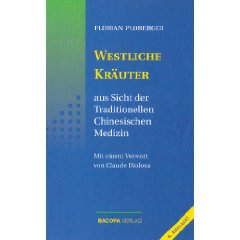
Western Herbs from the Traditional Chinese Medicine Perspective
Autor: Ploberger Florian
This book will be published 2011. You can order it now. Traditional Chinese Medicine (TCM) and thus also Chinese phytotherapy is becoming more and more popular. Therefore, so-called Western herbs, which are available to us in the West, are described and therapeutically applied according to TCM criteria. This book describes about 150 herbs such as rosemary, basil, ladys mantle, fumatory, dandelion etc. Besides their English names, pharmaceutical, botanical and German names are also listed for each herb. In addition, a description of the parts of the plants used, their taste, temperature effect, the organs involved and doses is provided as well as detailed descriptions of the actions and individual fields of application of individual herbs.
It is a translation of the 6th revised edition of the book Westliche Kräuter aus Sicht der Traditionellen Chinesischen Medizin.
The book „Westliche Kräuter aus Sicht der Traditionellen Chinesischen Medizin“ (Western Herbs from the Traditional Chinese Medicine Perspective) has been widely published in Europe and its 6th revised edition has already appeared within a few years. It is now being translated into English due to strong demand.
The book: Traditional Chinese Medicine (TCM) and thus also the Chinese phytotherapy is becoming more and more popular. Therefore so-called Western herbs, which are available to us in the West, are described and therapeutically applied according to TCM criteria. This book describes about 150 herbs such as rosemary, basil, ladys mantle, fumatory, dandelion etc. Besides their English names, pharmaceutical, botanical and German names are also listed for each herb. In addition, a description of the parts of the plants used, their taste, temperature effect, the organs involved and doses is provided as well as detailed descriptions of the actions and individual fields of application of individual herbs.
This book serves as an important source of information both for beginners and for experienced therapists.
The author: Dr. med. univ. Florian Ploberger B. Ac., BA Vienna.
Main fields: Traditional Chinese Medicine (TCM) and Tibetan Medicine.
Education: Medical studies and internship in Vienna, study of acupuncture at the Austrian Society of Acupuncture and Auriculotherapy in 1996; three years of TCM studies with Claude Diolosa until 1998; Bachelor in Acupuncture from K.S. University in the USA 1999; four semesters of Sinology studies and numerous study visits to China (TCM University in Beijing, TCM University in Chengdu) and India (LTWA Library of Tibetan Works & Archives). Since 2004 studies of Tibetology at the Vienna University (Bachelor of Arts in the Languages and Cultures of South Asia and Tibet, 2009).
Teaching and publications in the fields of TCM and Tibetan Medicine since 1997.
Head of the Scientific Advisory Council of the Bacopa Centre of Learning in Upper Austria and President of the Austrian Educational Society for Traditional Chinese Medicine (ÖAGTCM) (after three years of further education physicians are awarded the diploma Chinese Diagnostics and Pharmacotherapy by the Austrian Chamber of Physicians).
Regular lectures on Western herbs from the TCM perspective upon invitation of the Austrian Chamber of Pharmacists.
In 2007 he was publishing editor of Die Grundlagen der Tibetischen Medizin (a translation of the book Fundamentals of Tibetan Medicine of Men-Tsee-Khang Publication).
It was a great honour and pleasure for him when in summer 2009 he was officially asked by Dr. Dawa, the Director of the > Men-Tsee-Khang < (Tibetan Medical and Astrology Institute of H.H. the XIVth Dalai Lama in Dharamsala, Northern India) to translate the first two parts of > rGyud-bZhi < , the most important work of Tibetan Medicine (The Basic Tantra and The Explanatory Tantra from the Secret Quintessential Instructions on the Eight Branches of the Ambrosia Essence Tantra).
Since the 12th century this text has been serving as the foundation stone in the training of Tibetan medical practitioners, and is still being learned and memorised today.
Currently, as university reader, he gives a weekly lecture on various subjects of Tibetan Medicine at Vienna University, and every year he spends several months in Dharamsala.
ISBN: 978-3-901618-94-9
The Codex Alimentarius – (Latin for „food code“ or „food book“) is a collection of internationally recognized standards, codes of practice, guidelines and other recommendations relating to foods, food production and food safety. Its name derives from the Codex Alimentarius Austriacus.
Its texts are developed and maintained by the Codex Alimentarius Commission, a body that was established in 1963 by the Food and Agriculture Organization of the United Nations (FAO) and the World Health Organization (WHO).
The Commission’s main aims are stated as being to protect the health of consumers and ensure fair practices in the international food trade. The Codex Alimentarius is recognized by the World Trade Organization as an international reference point for the resolution of disputes concerning food safety and consumer protection. Read More: > HERE <
Herbs in Trad. Chinese Medicine / ChemFoods, and the threat to our freedom of health
Meet NaturalNews.com at facebook <
NaturalNews.com is an independent news resource that covers the natural health and wellness topics that empower individuals to make positive changes in their personal health. NaturalNews offers uncensored news that allows for healthier choice.
DIPLOMA COURSES IN TIBETAN STUDIES

Tibet (Tibetan: བོད་; Wylie: bod, Chinese: 西藏; pinyin: XÄ« Zàng) is a plateau region in Asia and disputed territory, north of the Himalayas. It is home to the indigenous Tibetan people, and to some other ethnic groups such as Monpas and Lhobas, and is now also inhabited by considerable numbers of Han Chinese people. Tibet is the highest region on earth, with an average elevation of 4,900 metres (16,000 ft). It is sometimes referred to as the roof of the world. Read More: > HERE <
Tibet Center – I.I.H.T.S.
International Institute of Higher Tibetan Studies is a non-profit association and recognized by the Austrian law.
Tibet Center – I.I.H.T.S. is under the patronage of His Holiness the Dalai Lama and supported by the Carinthian Government.
Tibet Center – I.I.H.T.S. offers authentic Tibetan Studies and knowledge through seminars, lectures, workshops, short- and longterm courses, cultural events and exhibitions. Its aim is to benefit the mental and physical well-being of society as well as the development of happiness and peace in the world. Furthermore I.I.H.T.S. promotes human values and the preservation of the precious Tibetan cultural heritage.
Tibet Center – I.I.H.T.S. aims to bring together different cultures and fosters the dialogue among religions. It is an academic institution that is specialized in providing authentic knowledge of different subject areas in the Tibetan culture. I.I.H.T.S. is unique in the West: it is the only institution that offers Tibetan Medicine and Buddhist Science & Philosophy. Only the Tibetan University in Varanasi, India is alike.
I.I.H.T.S. is open to everyone who is interested and wants to explore the Tibetan culture.
Future project plans are:
- Therapy Center of mental and physical well-being will start in Autumn 2009
- Private University of Higher Tibetan Studies is planned to be realized in 2010
Our mission is:
- the promotion and strengthening of human values and universal responsibility
- the preservation and further development of the precious Tibetan cultural heritage
- to benefit others by sharing this knowledge
- the promotion of mutual understanding between different cultures, religions & thoughts through dialogue
- Meet Tibet Friends, Arts, Studies at facebook <
- Meet Dalai Lama Groups and Friends at facebook <
- Meet Buddhism, Studies, Friends at facebook <
TIBETAN MEDICINE – Tibetan massage

> TRADITIONAL TIBETAN MEDICINE <
Tibetan medicine is a centuries-old traditional medical system that employs a complex approach to diagnosis, incorporating techniques such as pulse analysis and urinalysis, and utilizes behavior and dietary modification, medicines composed of natural materials (e.g., herbs and minerals) and physical therapies (e.g. Tibetan acupuncture, moxabustion, etc.) to treat illness.
The Tibetan medical system is based upon a synthesis of the Indian (Ayurveda), Persian (Unani), Greek, indigenous Tibetan, and Chinese medical systems, and it continues to be practiced in Tibet, India, Nepal, Bhutan, Ladakh, Siberia, China and Mongolia, as well as more recently in parts of Europe and North America. It embraces the traditional Buddhist belief that all illness ultimately results from the „three poisons“ of the mind: ignorance, attachment and aversion. Read more: > HERE <
What is Tibetan Medicine
Tibetan Medicine (TM), one of the world’s oldest healing traditions, has been practiced for more than four thousand years in Tibet and the Himalayan region. TM, called „Sowa Rigpa“ in Tibetan, means the knowledge and science of healing. „Sowa“ means to heal the imbalanced and „Rigpa“ means the knowledge or science of a particular subject. Along with five treatises of Buddhist Doctrine such as technology, medicine (Sowa Rigpa), studying of sounds, logic, and philosophy, Sowa Rigpa is regarded as one of the most important sciences in Tibet.
The Fundamental Principle Of Tibetan Medicine
The fundamental principle of Tibetan medicine is that the body, the disease, and treatment, all share common principles and are comprised of the five elements, earth, fire, water, air, and space. This approach recognizes that every thing in the universe – plants, animals, and human beings including all our body tissues, internal organs, skin, skeletal system and even emotions, are composed of these five elements. Each one of them plays a major role, both individually and in combination as aspects of all matter. The five elements maintain reciprocal relationships. When they stay in balance, it results in a healthy body, speech, and mind. However, if any one of these elements becomes out of balance, either excess, deficient, or disturbed, not only does the affected element manifest disharmony, but also it will cause the rest of the elements to lose their balance and manifest particular syndromes or symptoms. Since each individual disease is caused by disharmony or disturbances in one of the five elements, the treatment principle is to balance the elements through diet according to an individual’s constitution and behavior, utilize herbs, and other accessory therapies such as blood letting, Mey-Tzar (Tibetan moxa ), external therapy (heat or cold), natural or medicinal bath, enema, and Ku Nye ( Tibetan Massage ).
About the Shang Shung Institute
The Shang Shung Institute (SSI) is an international organization that seeks to broaden the world’s understanding of traditional Tibetan culture. At this moment in history the preservation of this rich and beautiful culture is of utmost importance as it is in real danger of being lost. As such, the SSI promotes programs and initiatives that support the continuation and survival of this rich cultural heritage.
The SSI was founded in Italy in 1989 by Chögyal Namkhai Norbu, a renowned scholar of Tibetan culture, as well as one of the foremost living Dzogchen Masters. Other branches of the SSI have since been established in North America, Austria, Russia, and Argentina.
The SSI develops and maintains projects in various countries including: the translation, publication, and archiving of Tibetan texts; the organization and presentation of international cultural and educational events to share and preserve Tibetan heritage; and formal courses of study that train students in ancient Tibetan arts and sciences, including art, language, and traditional Tibetan medicine.
The Institute is active in four main areas of interest:
- Archives and multimedia
- Culture and events
- Traditional Tibetan medicine
- Tibetan language study and research
> Meet the Book of Tibetan Medicine in facebook <
Introduction into Trad. Tibetan Medicine

> Grundlagen der Tibetischen Medizin <
First Seminar Cycle “ Introduction into Traditional Tibetan Medicine “ successfull:
Around half of the participants of the seminar „Introduction into Traditional Tibetan Medicine“ were eager enough to take the exam at the end of the first seminar cycle. After having written their homework, the participants came from different parts of Austria (Vienna, Upper and Lower Austria, Styria, Carinthia) and Germany in order to accomplish the challenging 3-hour exam on March 21.
„The exam motivates me to deepen the knowledge. The Tibetan Medicine is rather complex and I would like to make use of it later on at my own small clinic. Therefore the studies are very important“, said doctor Z. from Vienna.
These introductory seminars delivered a „first sight“ into the diversity and depth of the Traditional Tibetan Medicine. Many of the participants want to continue and plan to attend the diploma course next year where they can extend their gained knowledge and get a deeper insight into the fields of „Tibetan Massage“ and/or „Gentle Therapies in the TTM“. In addition, special seminars for doctors are offered in the field of „Diagnostic Methods in the TTM“ where authentic Tibetan doctors will teach the art of pulse and urine diagnosis.
„I am happy that there is a big interest in the traditional Tibetan art of healing. This will help spread the TTM authentically in the West“, says Ven. Geshe Tenzin Dhargye, director of the Tibet Center. „A lot of our participants are doctors. Therefore we want to cooperate more closely with Austrian doctors in the future and thus want to cultivate the dialogue among experts“, explains Geshe T. Dhargye.
Tibetan medicine is a centuries-old traditional medical system that employs a complex approach to diagnosis, incorporating techniques such as pulse analysis and urinalysis, and utilizes behavior and dietary modification, medicines composed of natural materials (e.g., herbs and minerals) and physical therapies (e.g. Tibetan acupuncture, moxabustion, etc.) to treat illness.
The > Tibetan medical system < is based upon a synthesis of the Indian (Ayurveda), Persian (Unani), Greek, indigenous Tibetan, and Chinese medical systems, and it continues to be practiced in Tibet, India, Nepal, Bhutan, Ladakh, Siberia, China and Mongolia, as well as more recently in parts of Europe and North America. It embraces the traditional Buddhist belief that all illness ultimately results from the „three poisons“ of the mind: ignorance, attachment and aversion.
MIND & LIFE, Meditation und Forschung

>> Educating World Citizens <<
>> Meditation verändert Gehirnströme im ORF <<
>> MIND & LIFE Institute, Vision & Purpose <<
Mind and Life XIX brings together world-renowned educators, scientists, and contemplatives, with the Dalai Lama presiding, to explore new avenues for science and educational practice related to the cultivation of these positive human qualities —mindful awareness, self-control, social responsibility and concern for the welfare of others –among children, youth, and the adults who educate them. This interdisciplinary dialogue will honor insights from various perspectives on this issue, including those from educational theory and practice, philosophy, psychology, neuroscience, and the wisdom of contemplative traditions.
Nutzen von Meditation: Neueste Forschung
Inhalt
-
1. Meditation verändert Hirnfunktionen: Erfahrung & Forschung
-
2. Moderne Methoden der Achtsamkeitsschulung
-
3. Das Cultivating Emotional Balance, Challenging Times-Projekt
-
4. Studien zur klassischen tibetischen Meditation
-
5. Weiterführende Literatur und Links
1. Meditation verändert die Hirnfunktionen: Erfahrung und Forschung:
„Die Meditation verändert Körper und Geist“, behaupten diejenigen, die sie ausüben. In welcher Weise diese Veränderungen auftreten und welchen Nutzen sie für die Medizin haben könnten, ist mehr und mehr Forschungsthema.
Geschichte des Ayurveda; Ursprung Ashtanga

>> Ayurveda a system of traditional Medicine <<
Was verstehen wir heutzutage unter Ayurveda ?
Betrachtet man den gegenwärtigen Gebrauch des Begriffes Ayurveda, so kann man vier Bedeutungen unterscheiden:
1. Ä€yurveda bezeichnet eine traditionelle gelehrte medizinische Wissenschaft im Indischen Kulturbereich. Auch heute noch wird Ä€yurveda gelegentlich im traditionellen Kontext gelernt. Eine solche Ausbildung erfolgt meist in engem persönlichen Kontakt zu einem Lehrer und ist eingebettet in eine umfassende traditionelle Bildung. Beispielsweise werden eine solide Kenntnis der klassischen grammatischen Wissenschaft des Sanskrit und der klassischen indischen Philosophie als Voraussetzungen für diese Art der traditionellen Ausbildung angesehen. Grundlage für diese Ausbildung sind die klassischen Texte der Ä�yurvedischen Wissenschaft, die in Sanskrit verfasst sind.
2. Ä€yurveda ist heute ein eigenständiges professionalisiertes Medizinsystem in Indien. Im 19. und 20. Jahrhundert hat der Ä€yurveda in Indien einen tiefgreifenden Wandel erfahren, der äußerlich dadurch gekennzeichnet ist, daß die Ä�yurvedische Ausbildung und Berufsausübung nach dem Vorbild der Biomedizin professionalisiert wurde. So wird Ä€yurveda heutzutage an Hochschulen gelehrt und nach einem fünfeinhalbjährigen Studium kann die Approbation als Ä�yurvedischer Arzt (B. A. M. S., d. h. „Bachelor of Ayurvedic Medicine and Surgery“) erlangt werden. Zudem existieren auch eigene Ä�yurvedische Ärztekammern und Forschungsräte.
3. In Europa und Nordamerika ist in den letzten zwei Jahrzehnten eine besondere Form des Ä€yurveda verbreitet worden, die man in Anlehnung an Kenneth G. Zysk (Zysk 2001) „New Age Ayurveda“ nennen kann. Diese Spielart des Ä€yurveda ist gekennzeichnet durch eine übermäßige Betonung von Spiritualität. Die klassische Ä�yurvedische Tradition hat im Gegensatz dazu die religiös-spirituellen Aspekte immer von der ayurvedischen Heilkunde unterschieden.
„Der klassische Ä€yurveda in Indien hat die medizinische Ausbildung des Ä€yurveda bewusst getrennt von der spirituellen und religiösen Disziplin der yogischen Askese.“
4Kenneth Zysk, Indologe (2001, p.24)
4. Ebenfalls in Europa und Nordamerika wird Ä€yurveda in den letzten Jahren oft in den Bereich von „wellness“, d. h. Maßnahmen zur Erhaltung und Steigerung von Wohlbefinden, eingeordnet. Dabei wird die heilkundliche und therapeutische Dimension des Ä€yurveda vollkommen außer Acht gelassen.
4 Quelle: Kenneth Zysk,Kenneth G.Zysk: Medicine in the Veda. Religious Healing in the Veda

