Archive for März, 2010
Jabulani – a self help project in Mariannhill
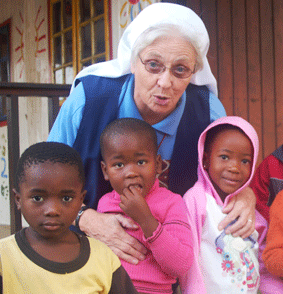
Jabulani (IsiZulu) „Be Happy“
http://www.jabulani-centre.org/
http://jabulaniafrika.blogspot.com/
The greatest good we do to others is not to give them our own wealth but to show them their own. – ( Kardinal Suenese)
The Origins of Jabulani – Jabulani opened officially on the 4th of January 1988. At that time many people came to Mariannhill Mission for help after becoming homeless in the heavy floods in 1987. However, it was impossible to reach the poorest people. Thus the Sisters of the Precious Blood decided to open a centre for those affected.
Sr. Marco Gneis agreed to establish the project together with Mrs. Audrey. Prior to founding Jabulani the two nurses had been teaching mothers coming to St. Mary’s Hospital how to grow vegetables at home in an attempt to combat malnutrition, visiting different areas within a wide radius of the hospital with a mobile clinic.
> spiritreneuringrid’s Channel <
The Jabulani School Report – In the early days of Jabulani many people had to flee their homes and seek new shelter. This caused many problems, especially for the children involved. The local schools were overcrowded so that some of these children were refused admission. The arguments used revolved around the bad influence these children from allegedly criminal areas would have on the other pupils. The outcome was that a large number of children could not go to school that particular year. So Bhekani Mzobe started to teach the children of different grades at Jabulani.
Who comes to Jabulani every day? – About 140 women and 15 men from the surrounding townships are working at Jabulani. These people cannot find work on the open job market because they lack education or qualifications or because their family situation does not allow it. At Jabulani they have the chance to earn a small salary with which they can feed their families and offer their children a better future. The day starts at 7.30 am and ends around 3.30 pm, teatime and lunchtime included.
Jabulani Projects – Many projects in Jabulani were established within a very short space of time, including the gardening, sewing, embroidery, candle-making, bakery and weaving projects. Unfortunately some of these projects had to be stopped in the course of time due to the economic situation. The sewing project was restarted again later when it was decided to sew clothes for the Jabulani people themselves. Thus school uniforms, cushion covers, children’s clothes were made in addition to products for tourists.
Jabulani and Religion – In Jabulani one finds Catholic symbols alongside Zionist symbols, demonstrating that Jabulani is open for everyone, whether Christian, Zionist or Muslim. In Jabulani the different cultures and religions exist not only alongside one another, but also together with one another. And in the little meditation room all groups can practice their faith.
Ayurveda – H.H. Swami Sivananda Maharaj
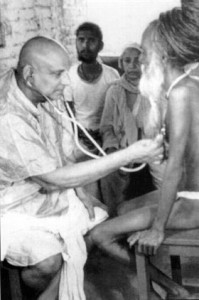
( H.H. Swami Sivananda Saraswati Maharaj )
> SIVANANDA – PRACTICE OF AYURVEDA <
Swami Sivananda Saraswati (September 8, 1887—July 14, 1963) was a Hindu spiritual teacher and a well known proponent of Sivananda Yoga and Vedanta. Sivananda was born Kuppuswami in Pattamadai, in the Tirunelveli district of Tamil Nadu. He studied medicine and served in Malaya as a physician for several years before taking up monasticism. He lived most of the later part of his life near Muni Ki Reti, Rishikesh. He is the founder of The Divine Life Society (1936), Yoga-Vedanta Forest Academy (1948) and author of over 200 books on yoga, vedanta and a variety of other subjects. He established Sivananda Ashram, the location of the headquarters of The Divine Life Society (DLS), on the bank of the Ganges at Shivanandanagar, at a distance of 3 kilometres from Rishikesh.
Sivananda Yoga, the yoga form propagated by him, are now spread in many parts of the world through Sivananda Yoga Vedanta Centres, but these centres are not affiliated with Swami Sivananda’s original ashrams which are run by the Divine Life Society. Read more: > HERE <
Sri Swami Sivanandaji Maharaj was a healer of the body in his Purvashram (before he entered the Holy Order of Sannyasa). He was a born healer, with an extraordinary inborn love to serve humanity; that is why he chose the medical profession as a career. That is why he edited and published a health Journal „Ambrosia“. That is why he went over to Malaya to serve the poor in the plantations there. And, strangely enough, that is why, he renounced the world and embraced the Holy Order of Sannyasa.
He was a healer of the body and the soul. This truth is reflected in the Ashram which he has established in Rishikesh. The huge hospital equipped with modern instruments was set up and the entire Ashram where all are welcome to get themselves healed of their heart’s sores and thoroughly refresh themselves in the divine atmosphere of the holy place.
SERVE, LOVE, GIVE, PURIFY
MEDITATE, REALISE
So Says Sri Swami Sivananda
Saraswati Maharaj
Sri Swamiji wanted that all systems of healing should flourish. He had equal love and admiration for all systems of healing. He wanted that the best of all the systems should be brought out and utilised in the service of Man. He has written a number of books on all aspects of Healing—from the Naturopathic and Allopathic points of view. This one dealing with Ayurveda is a valuable addition to the healer’s armamentarium.
Ayurveda is the Veda or knowledge of Ayus or life. It has been classified as the Fifth Veda.
Ayurveda is a distinct Veda. It is even superior to the other Vedas because it gives life which is the basis of all enjoyments, study, meditation and Yoga Sadhana.
Ayurveda is the science of life. It shows the way to remove diseases, to keep up sound health and attain longevity.
Ayurveda was in vogue in India since very early times. The Ayurvedic and Siddha systems have played a very important and vital part in the sphere of public health. Their popularity is due to their availability, cheapness and efficacy.
Here is a beautiful ideal of Charaka: „Not for self, not for the fulfilment of any earthly desire of gain, but solely for the good of suffering humanity should you treat your patients and so excel all. Those who sell the treatment of disease as merchandise gather the dust and neglect the gold.“
Charaka also says: „A physician who cannot enter into the innermost soul of the patient with the bright light of the lamp of his own knowledge cannot successfully treat any disease.“
India has ever been evolving art after art, science after science, as her contribution to the common heritage of all the nations of the world. Her greatest gift to the world is the gift of the spiritual science of Self-perfection. Next to it we should place this Science of Life, the Ayurveda, as a precious gift to be carefully developed and broadcast to all nations. It is a national duty of every Indian.
Nurse the Sick, Feed the Hungry, Clothe the naked, This is DIVINE LIFE.. …..Swami Sivananda
THE DIVINE LIFE SOCIETY
African Traditional Medicine, Ethnomedicine
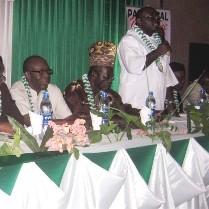
> WHO – Traditional Medicine <
”Health through cultural heritage“
Traditional medicine (also known as indigenous or folk medicine) comprises medical knowledge systems that developed over generations within various societies before the era of modern medicine. Practices known as traditional medicines include herbal, Ayurveda, Siddha medicine, Unani, ancient Iranian medicine, Islamic medicine, traditional Chinese medicine, acupuncture, Muti, Ifá, and other medical knowledge and practices all over the globe. The World Health Organization (WHO) defines traditional medicine as: „the health practices, approaches, knowledge and beliefs incorporating plant, animal and mineral-based medicines, spiritual therapies, manual techniques and exercises, applied singularly or in combination to treat, diagnose and prevent illnesses or maintain well-being.“
In some Asian and African countries, up to 80% of the population relies on traditional medicine for their primary health care needs. When adopted outside of its traditional culture, traditional medicine is often called complementary and alternative medicine. Herbal medicines can be very lucrative, generating billions of dollars in sales, but adulteration or counterfeit herbs can also be a health hazard. Read More: > HERE <
HISTORY OF TRADITIONAL MEDICINE – African Traditional Medicine is a mainstay of primary health care for the majority in Africa. About 80% of the population has relied on resources within their environment to survive since God’s creation.
Plants, minerals and animals constitute the major natural resources ever used by mankind for preventative, curative and rehabilitative health in Africa. Like any other continent, these resources have been used for over ten thousand years by traditional health practitioners (THP’s), who acquired their knowledge and skills through observation, spiritual revelation, personal experience, training and direct information from their predecessors.
THE ROLE OF EMERGED SCIENTIFIC TRADITIONAL MEDICINE SYSTEM: “ ETHNOMEDICINE “ – What is Ethnomedicine Science? Ethnomedicine is a multi-disciplinary field of study that draws on approaches and methods from both the social and biological sciences, culturally based biological and environmental knowledge, cultural perception and cognition of the natural world, associated behaviours and practices, concerned with the cultural interpretations of health, disease and illness, and also addresses the health care seeking process and healing practices.It is a study of cultural concepts of health, disease and illness, and of the nature of healing systems.
Ethnomedicine has turned it’s attention to laboratory research, which has been made possible by the auspices of the World Health Organisation (WHO). In fact, the traditional medicine programme of the WHO was precisely thought of as an answer to renewed interest for population therapies and remedies, in view of possible identification and utilisation within national health services.
African Medicine – the mother of medicines:
„If we accept that Africa is the cradle of mankind and that the use of herbs is as old as mankind itself, it then stands to reason that African medicine is the oldest, most tried and tested form of medicine known to mankind. Further, to call it an alternative is wrong, since it formed the basis for other types of medicine practiced today – conventional, herbal, Chinese, etc.“ T/Dr R de Carvalho.
History and Description – Ethnomedicine is a system that applies both art and science to help the human body to restore its health and well-being. It utilises natural remedies to activate the immune system. Herbs are used for cleansing, elimination and detoxification. Some are used to stimulate the body’s self-healing capabilities to counteract physical symptoms, whilst others may be used as a tonic to help the body’s immunity.
-
Vision – To manufacture and distribute an effective range of African herbal remedies and medicinal products that not only competes, but surpass its competitors.
-
To enhance and preserve the knowledge and wisdom of African herbal medicine.
-
To be a leader in the research and development of African herbal remedies and products.
PAXHERBAL, MAGAZINE: The aim of Pax Herbal Magazine is to re-assimilate, re-understand and re-express ancient African philosophy [indigenous knowledge] in light of modern, scientific knowledge [exogenous knowledge]. African Medicine, that is, the science of life, is at the centre of African philosophy. Life, for the African, is indeed the ultimate value. By exploring the multi-faceted dynamism of healing in Africa, Pax Herbal Magazine is championing a medical revolution that is all-embracing, holistic, African and global.
The Science – After years of repudiating ancient wisdom, science is now validating the wisdom of the ancients. Discoveries in quantum physics, radiology and electromagnetic force have changed the way scientists look at the world.
Pax Herbal products are currently a high-flying brand because they are efficacious, affordable and available. Recently, though, the monks of St. Benedict Monastery, Ewu, Esan, Edo State, the custodians of Africa’s most sophisticated, scientific and full-blown herbal pharmaceutical industry and their dedicated staff have been bending over backwards to meet a snowballing demand for their products.
-
www.epasa.co.za/ – Ethnomedicine Practicioners Ass. Africa
SMILE AFRICA FOUNDATION ~ E-WASTE
www.treesforlife.org cradle to cradle design
www.computerrecyclingsociety.org
Electronic waste, e-waste, e-scrap, or Waste Electrical and Electronic Equipment (WEEE) describes loosely discarded, surplus, obsolete, broken, electrical or electronic devices. The processing of electronic waste in developing countries causes serious health and pollution problems because electronic equipment contains some very serious contaminants such as lead, cadmium, beryllium and brominated flame retardants. Even in developed countries recycling and disposal of e-waste involves significant risk to workers and communities and great care must be taken to avoid unsafe exposure in recycling operations and leaching of material such as heavy metals from landfills and incinerator ashes. Read More: > HERE <
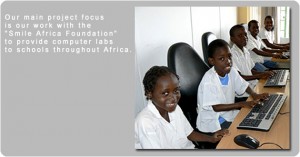
About CRSC – What is the Computer Recycling Society of Canada? – CRSC is a non-profit, community minded organization whose vision is to promote computer literacy for all people with emphasis on helping other charitable and non-profit groups. We provide affordable, refurbished computers and training programs to needful individuals and organizations locally and worldwide. Our main project focus is our work with the „Smile Africa Foundation“ to provide computer labs to schools throughout Africa. www.smileafrica.org
Who is involved? – Corporations, government and individuals all donate used computer equipment to our Society. Experienced computer technicians and educators in computer fundamentals, with the generous assistance of community volunteers, operate our facilities and run our programs.
Why is the Computer Recycling Society Necessary? – To fill a gap in computer education and to make computers available to people of all ages, across all income groups, through the auspices of other established, non-profit community organizations in your community and in developing countries.
WHERE can you make a difference? – If you have any computers or parts no longer useful to you or your company, we will refurbish and redistribute them to local and international communities through charitable organizations.
How can you Help? – We are always looking for people willing to volunteer their time and talents; repairing and teaching; picking up and delivering. All that’s required is enthusiasm and a desire to learn and help others.
SMILE AFRICA’s vision is based on three core principles: Literacy, Learning and Leadership; enabling partner communities (in Africa) to improve their human factor capacity for change, and to build a world fashioned more equitably.
2009 -2015 priorities include providing books, libraries and resources to foster quality education and help children and families refine and unfold their potential as leaders, thinkers and contributors of society.
beCAUSE™ 2015 Campaign – SMILE AFRICA’s beCAUSE™ campaign focuses on three achievable goals of the Millennium Development Goals (MDGs). If each one of us can play a small role along with leading organizations and world governments, we can combat illiteracy and poverty, and bring change to a significant portion of the human family.
Achievable Goals:
- Our MDGs Priorities by 2015:
- Provide one million books to help school children achieve literacy, and build libraries and schools in partnership with their communities.
- Improve the living conditions of vulnerable populations, e.g., via training and access to clean water and basic sanitation.
- Empower women via leadership and economic development; giving them resources to prevent poverty-related risks such as: hunger, infant illnesses and mortality. Read more…www.smileafrica.com
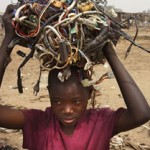
“ e-waste boy in africa „
-
TREE´s FOR LIFE: Computers to Empower People, gifts from the heart <
