
Posts by admin
ZEN ZENTRUM OBERPFALZ – KALIGRAPHIE

The Art of Calligraphy
The world of calligraphy in Buddhism is deep and wide. The art of calligraphy is a great teaching, just as a silent retreat or formal practice. The “I” will disappear while drawing. When the Dharma draws, then you will become the Dharma. When drawing Kwan Um, Poe Dae Hwa Sang or Han San, you become one with it. Everyone is welcome, no experiences required.
Cost/Date:
Fri. 20. November, 7:00 pm – 9:30 pm
Sat. 21. November, 6:30 am – 9:15 pm
Sun. 22. November, 6:30 am – 3:00 pm
Seminar fee: your generous donation (DANA), House fee: € 108.-
We are a small Zen (Korean: Seon) Buddhist community. The initial concept was to form a lay meditation group of Zen practitioners following the Korean Zen (Seon) Buddhist teachings. Our practice is influenced by the teachings of Zen Master Seung Sahn, Zen Master Kusan as well as other meditation teachers like Martine and Stephen Batchelor. We use Zen forms, yet are fluid in our ability to adapt to changes within the form.
Living in a sleepy town called Altenstadt, an Administrative District Oberpfalz, in Bavaria Germany, we use a less stringent approach to our practice, placing more emphasis on the development of loving kindness and compassion along with attentiveness to the spiritual growth of each community member. Our Sangha is from various professions and religious backgrounds. We dedicate our lives to religious practice, practice of the Dharma and beneficence to all beings. May all beings realize their true nature!
Take a good look at yourself,
all truths are within you.
To look for truth outside yourself is to search
for water outside of the ocean.
by Master Seongcheol (1912-1993)
Our center is a small apartment of approximately 60 square meters. It consists of a tea room (which is also used as the teacher’s room when a teacher is in residence), a fully-equipped kitchen, a bathroom, and of course the Dharma Room. Since the it is located on the ground floor of a house, one can exit to a grassy garden straight out of the tea room. The usage of this apartment was graciously donated by Gerlinde Grunt’s life partner, who despite being a Buddhist nor a Zen practitioner, saw the value and merit of giving rentable space free to the service of saving all beings from the mind’s afflictions. The center also has a small lending library of books, CD and DVD collection which is open to all those who seek a deeper commitment to their Zen practice.
> Meet Zen Zentrum Oberpfalz at facebook <
TANZ DIE TOLERANZ “ Exil „


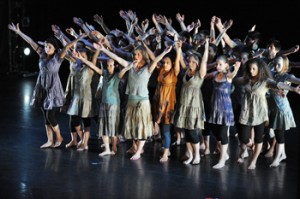
Tanz die Toleranz – EXIL
Man muss nicht miteinander sprechen können, um miteinander zu leben; wenn man aber zusammen getanzt hat, kann man auch miteinander leben! (Royston Maldoom)
Tanz verbindet – über soziale, kulturelle und sprachliche Barrieren hinweg. Tanz die Toleranz ist ein junges und innovatives Projekt der Caritas Wien, das auch dieses Jahr wieder Menschen aus ganz Wien eine neue Form der Begegnung ermöglicht. Am 12. September 2009 beginnen die Proben zu „EXIL“, einem Stück des berühmten Choreographen Royston Maldoom (Kino-Dokumentarfilm „Rhythm is it!“). Junge Tanzbegeisterte unterschiedlicher Herkunft werden sich über vier Wochen hinweg in einen intensiven Probenprozess begeben. Neben zwei Schulklassen sind unter den TänzerInnen Bewohner verschiedener sozialer Einrichtungen und weitere Tanzfreudige aus Wien.
Die Choreographie zu dem Stück „Harmonielehre“ von John Adams greift Aspekte von Flucht, Reise, Krieg oder Exil künstlerisch auf und wird am 09. Oktober 2009 im Wiener Gasometer Premiere feiern. Eine weitere Aufführung findet am 10. Oktober 2009 statt.
Tanz die Toleranz – EXIL
09. und 10. Oktober 2009
20:00 Uhr
Wiener Gasometer
Community Dance – Tanz und sozialer Anspruch
Tanz die Toleranz, das Community Dance Projekt der Caritas Wien, richtet sich in seinem kulturellen und ästhetischen Anspruch an die Gesellschaft als Ganzes in ihrer Vielfalt. Im Fokus steht der Moment der Aufführung, das gemeinsame auf der Bühne Stehen. Dem gemeinsamen Ziel geht ein miteinander durchlebter Prozess voran, in dem neue Verbindungen wie „nebenbei“ entstehen.
Fragen?
TANZ DIE TOLERANZ
> Hier < findet ihr Informationen zu anderen Projekten von Tanz die Toleranz!
oder (01) 878 12 20
BHAJANS – Lieder der Freude und Liebe !
Plattform für indische Musik und Tanz in Österreich
> Bhakti Sangeet – Benefiz-Liederabend <
> School Project, Omkareshvar <
Mit Swami Mangalananda, Swami Gurusharanananda, Captain, Christian Weiss
Sa., 10.10.2009, 18:00 – 21:00, Yoga Zentrum Ganesha, 1090 Wien, Alserbachstrasse 2
Di., 13.10.2009, 19:30 – 22:00, „Gsunde Stubn“ 3500 Krems, Tel: 0676 3264219
Sa., 17.10. 2009, 18:00 – 21:00, Zentrum „Agartha“, 3100 St. Pölten, Mühlweg 16
So., 18.102099, 14:00 – 18:00, bei DDDr. Franz Langmayer, 1150 Wien Langmaisgasse 7
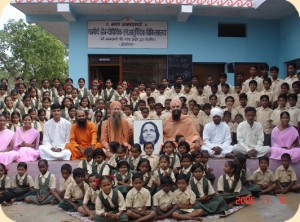
Swami Mangalananda und Swami Gurusharanananda leben im bedeutenden Pilgerort Omkareshwar im indischen Bundesstaat Madhya Pradesh und haben dort die einzige Schule des Gebiets (www.danamudra.org) aufgebaut. Die beiden sind auch exzellente Musiker und reisen nun das dritte Jahr in den Westen, um zu singen und ihre Aktivitäten bekannt zu machen. Diesmal treten sie auch im einzigartigen „Bockkeller“ – dem zauberhaften Spiegelsaal des Wiener Volksliedwerks – auf.
Sie bieten ein buntes Programm mit Liedern aus verschiedenen Traditionen Indiens mit authentischen Musikinstrumenten. Ihr ältester Schüler Captain begleitet sie mit einer Dholak-Trommel, Unterstützung gibt es auch wieder durch Christian Weiss mit seiner Tabla. – Kaum jemand kann sich der Lebensfreude dieser Musik entziehen. Zwischen den Liedern erzählen die Mönche amüsante und lehrreiche Anekdoten von indischen Weisen und es werden auch berührende Bilder aus ihrer Gegend gezeigt und Fragen über die Schule und ihre Aktivitäten beantwortet.
Traditionelle Indische Bhajans und Kirtans – Das ist jubelnde Liebe zum göttlichen Aspekt des Seins. Zwei Möche eines indischen Klasters (Omkareshwar/Narmada in Madhya Pradesh), beide grossardige und hingebungsvolle Musiker und Sänger, kommen nach dem grossen Erfolg ihrer beiden Europatourneen wieder nach Österreich, um ihre Freude am Gesang mit uns zu teilen.
ZITAT > DAVE STRINGER < : …“ Kirtan ist ein wertvoller Teil des Yoga. Das Wort Kirtan (sanskrit) bedeutet „singen“. Die gesungenen Texte sind kurze, einfache Mantras in Sanskrit und werden gut lesbar auf eine Wand projiziert. Sanskrit ist eine besondere Sprache; sie besteht aus den reinsten, klarsten und konzentriertesten Lauten, die die menschliche Stimme er-zeugen kann….“ INTERVIEW mit David Stringer im > YOGA AKTUELL <
Swami Mangalananda stammt aus einer amerkikanischen Musikerfamilie und ist seit dreissig Jahren Möch, Swami Gurusharananda ist der junge indische Direktor der Schule, die DANA MUDRA seit 2005 unterstützt. Die beiden werden uns auch über den spirtituellen Hintergrund der Lieder informieren. Ein berührender neuer Film über den alten Pilgerort Omkareshwar, seine Kinder und die dort von den Mönchen betriebenen Schule wird ebenfalls gezeigt. Für die muskiklische Begleitung sorgen das indische Harmonium und Tabla.
Der Erlös der Veranstaltungen ist für den Ausbau und den Betrieb der Schule bestimmt, die das Kloster in dieser entlegenen, armen Gegend errichtet hat. Damit sollen möglichst viele Kinder die Chance bekommen, aus dem Kreislauf der Armut auszubrechen.
Wie in den vergangen Jahren werden Swami Gurusharananda und Swami Mangalananda uns auch heuer wieder mit mitreissenden und inspirierenden Bhajans begeistern!
Der Eintritt ist frei, großzügige Spenden sind erbeten.
DANA MUDRA – “ Die gebende Hand “ ist die Geste, mit der in der indischen und tibetischen Kunst manche Gottheiten und Buddhas dargestellt werden. Ist das nicht ein schöner Name für eine Vereinigung, die das Geben, das Teilen auf Ihre Fahnen geschrieben hat ? www.danamudra.org
EWAK, C.S.A – Programme for 2009-2010
THE NEW WAY HEALTH ORGANISATION .NOW.
CHARAKA SCHOOL OF AYURVEDA (HIMALAYAN CENTRE)
>> Dr. Vinod Verma’s << Programme for 2009-2010 :
> Ayurveda Health Organisation (A charitable trust) <
Ayurveda Health Organisation is a charitable trust for spreading Ayurvedic wisdom for the benefit of humanity. We are looking for financial aid to do developmental work in this direction, which can benefit people in the rural areas of India for prevention and healing. We also want to generate more employment.
3-8 October: Göttingen: Lecture, workshops and Private Consultations. Contact: Tel/fax 05508-92135, mroeslen@t-online.de or ImPuls, Akazienweg 56 A, D- 37083 Göttingen, Tel. 0551-59603
-
2 Oct. Lecture on Mahatma Gandhi’s values in modern world
-
3 Oct. Workshop on Practice of Ayurveda on Everday Life
-
4 Oct. Workshop on Shiva’s Yoga Nritya: A Dance for Your Health
10-11th October in Baden-Baden:
>> EWAC – European World Ayurveda Congress 2009 <<. Lecture on Companionship and Sexuality in Ayurveda and the Indian Tradition.
PATANJALI – DIE WURZELN DES YOGA
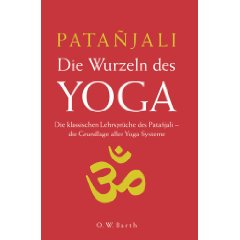
Die klassischen Lehrsprüche des Patanjali
von Bettina Bäumer
> YOGA & AYURVEDA von Vinod Verma <
Patanjalis Yoga-Sutras und ihre Anwendung auf Ayurveda
Patanjali (Sanskrit, पतञ्जलि, Patañjali, [pʌtʌɲʤʌlɪ]) war ein indischer Gelehrter, der die heute noch vollständig überlieferten Yoga-Sutras verfasst haben soll. In der indischen Mytholgie gilt er als Inkarnation des Schlangenkönigs Shesha. Über das Leben von Patañjali ist jedoch nichts bekannt, auch nicht wann er gelebt hat. Es ist nicht einmal sicher, ob er eine historische Persönlichkeit war. Indische Tradition setzt ihn mit dem Grammatiker gleichen Namens, der im 2. Jahrhundert vor Christus lebte, gleich. Da der Wortschatz des Grammatikers und des Schreibers jedoch stark von einander abweichen, gehen Indologen davon aus, dass es sich nicht um die gleiche Person handelt. Vielmehr sind sie aufgrund bestimmter Formulierungen, die sich auch im Spätbuddhismus finden, der Ansicht, das Werk sei im 4. oder 5. Jahrhundert nach Christus entstanden.
Wörtlich übersetzt bedeutet Sutra „Faden“. Das Yoga-Sutra ist also gewissermaßen ein Leitfaden für Yoga, der anders als die Bhagavadgita keine Rahmenhandlung besitzt und auch nicht gesungen wurde. Das Yoga-Sutra von Patañjali besteht aus 195 Sanskrit-Versen, in denen in hochkonzentrierter Form die Essenz des Yoga-Weges gebündelt ist. Es ist eine der ältesten Überlieferungen der Yoga-Tradition. Diese Form des Yoga wird als Raja Yoga oder Ashtanga Yoga (achtgliedriger Yoga) bezeichnet.
Kurzbeschreibung
Diese klassischen Lehrsprüche bilden die geistige Grundlage aller Yogasysteme. Sie stammen aus Überlieferungen, die wahrscheinlich im 2. Jahrhundert v. Chr. von Patañjali aufgezeichnet wurden. Die Vielfalt der Schulen und Richtungen, die sich im Laufe der Jahrhunderte entwickelt haben, geht auf diese älteste Quelle zurück. Die 195 prägnanten Sentenzen weisen den »königlichen Weg« zur vollkommenen inneren Befreiung durch rechte Erkenntnis. Er führt schrittweise , ohne Askese und gewaltsame Unterdrückung der Denkvorgänge, zum Verständnis der Wirklichkeit. Im Yoga leben heißt, unmittelbar, von Augenblick zu Augenblick, ohne hemmende Bindung an die Vergangenheit, ohne eingeschliffene Gewohnheiten oder eine überkommene Weltanschauung leben. P.Y. Deshpande, ein bekannter Schriftsteller und Publizist, hat sich über vierzig Jahre lang in Theorie und Praxis mit Yoga beschäftigt. Seine Einsichten, die Früchte dieser langjährigen Erfahrung, bilden zusammen mit den von Bettina Bäumer aus dem Sanskrit übertragenen Sutren ein unentbehrliches Standardwerk auf dem Gebiet des Yoga.
A G A M A
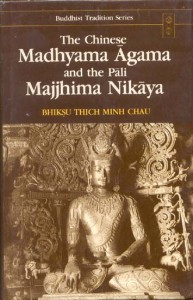
> The Chinese Madhyama Agama & the Pali Majjhima Nikaya <
> AGAMA IN BUDDHISM, JAINISM, HINDUISM <
A G A M A
By Jayaram V
The word „agama“ means authoritative scripture. It was used by > Panini < , the Sanskrit grammarian, as a linguistic term, to describe the formation of certain words. Tantric and Saiva tradition recognizes the agamas as the most authoritative and sacred texts on the methods of worshipping Saguna Iswara or the Brahman with qualities. In a limited sense the agamas are tantric texts containing the principles and practice of Saivism, presented in the form of a teaching by Lord Siva to His consort Parvathi. in contrast, the nigamas, another branch of sacred litetature, depict Parvathi as the teacher and Siva as its recipient. According to the Tantric tradition, the Vedas are nigamas.
Scholars believe that the earliest Agamas were composed during the later Vedic period, when the Vedic rituals were on the decline and Saivism, Vaishnavism and other religious sects were gaining ground. Not all agree with this contention. Some believe the earliest agamas to be much older than the Vedas. There is also an argument that some of the Upanishads and even some portions of the Bhagavadgita were renditions of preexisting agamas. Followers of Siva consider these texts superior to the Vedas. Unlike the Vedas, the Agamas are meant for all castes and sections of society, including women. While the many agamas belong to Saivism and recognize Siva as the Supreme deity, there are also Vaishnava and Shakti agamas which recognize Vishnu and Shakti respectively as the Supreme Iswara.
There is no unanimity as to the actual number of the agamas. Based upon who is recognized as the principal deity, the agamas are divided into Saiva, Vaishnava and Shakti or Tantra agamas. The Pancaratra Agamas and the Vaikanasa Agama belong to the Vaishnava tradition. The Saiva agamas, which contritubuted to the popularity of the southern school of Saiva Siddhanta philosophy and northern school of the Pratyabhijna system of Kashmir Saivism, are divided two distinct categories, namely the 28 Saiva Siddhanta Agamas and 64 Agamas belonging to both the Nakulisa Pasupatha and the Kashmiri Trika schools of Saivism. The > Kaula < , > Mishra < and> Samaya agamas < (and siddhanta texts) are considered to be part of the Shakti tradition. The Vaishnava agama is further divided into Pancharatra and Vaikanasa Agama. The smartas, who acknowledge the Vedas as the supreme and follow the Vedic tradtion, recognize the Agamas, but don’t necessarily adhere to them. In the Malay languages the word Agama literally means religion. The Agamas are also sometimes known as Tantras.
Buchtipp: Bettina Bäumer, Trika: > Grundthemen des kaschmirischen Sivaismus <
There is no unanimity as to what constitue the 28 Agamas of the Saiva Siddhanta schools. According to one classification, of the 28 agamas, ten represent the school of Advaita (monism) or Sivabheda and the rest the school of Vishishtadvaita (qualified monism)or Rudrabheda. The 28 Agamas are listed below:
LAMA JIGMES FREE TIPS
Lama Jigme a refreshing encounter Episode Lama Jigme Gyatso is an ordained monk in an age when many are content to hide behind tradition, hearsay, dogma and circular reasoning it can be refreshing to encounter someone like him. Taking his teachers instructions to heart, he practices and transmits the Buddhas teachings in an essentialized and pragmatic manner that is as profoundly effective as it is deeply practical.
Who is Lama Jigme ?
Ordained as Lama Jigme Gyatso: Rime Manipa Tantrika, which translates as “Ocean of Courage Teacher; ” he is a Jewish-american born, Tibetan-buddhist: Monk, Teacher, Healer and Tantrika.
Lama Jigme was taught to be devoted to the Buddha of Compassion {Manipa} in a NON-sectarian manner {Rime} that practices Sutra’s union of compassion and insight as well as the union of Tantra’s paths of devotion, imagination and sensuality {Tantrika}.
In an age when many are content to hide behind tradition, hearsay, dogma and circular reasoning this controversial and unconventional teacher insists that a true Lama’s resume, credentials and letters of recommendation are the vastness of his Compassion, the profundity of his Insight and the power of his Effectiveness.
Lama Jigme Gyatso has had the very good fortune to receive teachings from every major Buddhist lineage of the Theravada, Mahayana and Tantric traditions.
Taking his Lama’s instructions to heart, he practices and transmits the Buddha’s teachings in an essentialized manner that is as profoundly effective as it is deeply practical.Interessen:Lama Jigme is playful and dynamicas well as loving and insightful.
Just as the alchemists of legend turned lead into gold, instructions received from this precious teacher can transform sorrow, anger, and fear into peace, love, joy and bliss.
WORLD MONUMENTS FUND, Class Act Canada
The Class Act Canada contest will award 10 deserving students from around the world with an opportunity of a lifetime – an all-expenses-paid education in British Columbia, Canada.
Provided by Sprott-Shaw Community College, British Columbia’s education leader in business, healthcare, tourism, hospitality, administrative and international studies, each of the 10 prizes includes up to three years of post-secondary education and free living expenses for the duration of each student’s studies in Canada.
…..Well, as i said i live in Cusco- Peru, the place where is Machupicchu, one of the 7 wonders of the world. I live about 30 minutes from the city, is a lovely place. So, i always thought that education is very essential, and more when we are in in this situation. nothing is easy, so i tried to find a way to get an education aborad, well, i got one, this is my appportunity. there is a contest for 9 scholarships to study in canada, so i would love to get it and help a little bit my community….. Hola-PERU
WORLD MONUMENT FUND
Perched atop the > Andean peak < bearing its name, in clouds high above the Urubamba Valley, Machu Picchu overlooks the Vilcanota River. Construction of this majestic complex concluded at the height of Incan civilization in the 15th century, during the reign of Pachacutec Inca Yupanqui and his descendants. Though abandoned within 100 years of completion, even after the fall of the Incan Empire, the site offered protection for rebel forces fighting for Peruvian independence, eventually attained in 1821. Since 1911, when Hiram Bingham of Yale University first arrived at the site at the invitation of the Peruvian government, the fascination with Machu Picchu has spread around the globe. It endures as one of the most important and recognized archaeological landscapes in the world.
While the seamless stone masonry of the agricultural terraces and structures has stood strong through the ravages of time, war, and earthquakes, the vulnerability of Machu Picchu and its environs should not be underestimated. Steady and significant increases in visitation at the site have prompted development and urbanization in nearby areas to meet the growing tourism needs. Balancing infrastructure and service requirements with the preservation of this cultural icon remains a constant struggle at Machu Picchu. The call for integrated and sustainable management strategies for the site and the surrounding communities has been echoed for over a decade, but planned, collective action has yet to be achieved.
WHAT IS GOPIO?
The Global Organization of People of Indian Origin (GOPIO) welcomes you to GOPIO’s international network of people of Indian origin (PIO). GOPIO was founded at the First Global Convention of People of Indian Origin in New York in 1989. The initial thrust of GOPIO was fighting human rights violation of people of Indian origin. Although this has been improved in the last one decade, human rights violations continue to be a major issue for PIOs living outside India. GOPIO has now set its priorities in pooling our resources, both financial and professional, for the benefit of PIOs, the countries they come from and India. Toward this goal we welcome you to join in this international effort.
UNIVERSAL DANCE CHILE
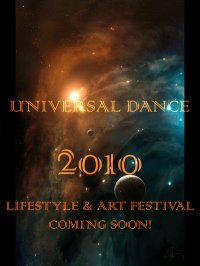
UNIVERSAL DANCE CHILE DEC 31 TO JAN 2 2010
This is a festival born of the need for ambient psytrance extended to the spiritual level and lifestyle. One of our goals is to take spiritual practices and bring them to show people they can have fun in a healthy environment. We defend the animals and become aware of the damage to the economy created by the consumption of meat, therefore, advocate vegetarianism and consumption of substances such as Spirulina, amino acids and multivitamins, take care of our bodies internally and externally is essential to have a good standard of living and being happy. This is how we have this festival also a meditative atmosphere, where the participants may take classes of yoga, meditation, Tai-chi, mantra chanting, Tandava and skills classes, followed by vitamin juices and vegetarian meals. All this coupled with the best electronic music, wonderful lighting and decoration and performance art created a magical world around the audience. We are a worldwide Team and taking this Festival all over the world. We want not only to take people to the spiritual world but also to the artistic world. This is why we give free entry (previous contract with the organization) to artists that want to show their art and performances in the Festival and also free entry to spiritual groups that want to give information to people about how to reach innerselves and the supreme. We are open-minded people that realize that we are one eventhough other people might have different life choices.
UNIVERSAL DANCE FOR AN UNIVERSAL RELIEF, AMURT (Ananda Marga Universal Relief Team) is an organization that is always present in countries that suffer a catastrophe and have all year long projects where they help communities mainly in India and Africa to get potable water. Part of the money will be donated to this wonderful cause. www.amurt.org
> Meet Universal Dance Art and Lifestyle Festival at Facebook <
CULTURE, RELIGION, ETHNOMEDICINE
>> John Paul II Hospital & Research <<
The > Jagiellonian University < (Polish: Uniwersytet Jagielloński, often shortened to UJ; historical names: Latin: Studium Generale, Kraków Academy, The Main Crown School, Main School of Kraków, Kraków University) was established in 1364 by Casimir III the Great in Kraków. It is the oldest institution of higher education in Poland, the second oldest university in Central Europe and one of the oldest universities in Europe.
Culture, Religion, and Ethnomedicine discusses various interdependencies between culture, religion, and health with a concentration on Tibetan culture. Igor Pietkiewicz uses an example of the Tibetans in exile to explain how culture affects illness behavior, including perception of sickness and treatment methods, as well as the choice of an appropriate cure. The book also touches upon the problem of migration and various risk factors associated with adjustment of ethnic minorities in a host country. It elaborates on the issues not limited to a single refugee community, but universal in a world that is becoming a global village. Students planning to do qualitative research in social sciences will find this book valuable. Students can learn how to select data and get information about data sources, analysis, and management from the chapter on qualitative research methodology. This book will also be helpful to health practitioners who treat individuals representing other cultures as well those interested in health issues in multi-cultural settings.
Igor Pietkiewicz, Ph.D., is a Polish psychotherapist and researcher at John Paul II Hospital in Krakow. He is lecturer at Jagiellonian University where he has designed and taught university courses on medical anthropology and thanatology. He cooperates with the Division of the Psychology of Religion and School of Medicine in English (Jagiellonian University). Founder and president of the Polish Medical Anthropology Association.
CONTENTS:
Chapter 1: Tibetan Culture, Religion, and Acculturation
Levels and Dimensions of Culture. Religion as an Important Component of Culture. Culture in Transition. Typologies of Migration. Refugees as a Distinct Category of Migrants. Acculturation. Factors Affecting Acculturation.
Chapter 2: Health and Illness Behaviors
From Biomedicine to Holism. Biomedical Model. Humanistic Model. Holistic Model. Interdependence between Culture and Health. Culture as a Salutary Agent. Healthy Behaviors. Culture and Identity. Culture as a Means of Social Support. Culture as a Pathogenic Agent. Unhealthy Lifestyles. Acculturative Stress. Identity Confusion. Culture as a Pathoplastic Agent. Culture as a Meaning-Making Device. Idiom of Health and Ill-Health. Folk Categories and Explanatory Models. Illness Behavior. Help-Seeking Behavior. Help-Seeking Pathways.
Chapter 3: Religion and Health
Interdependence between Religion and Health. Religion and Mental Health. Overview of the Research Findings. Religion as a Salutary Agent. Mechanisms for Religion‘s Effects on Health. Religion as a Source of Coping Strategies. Religious Coping in Empirical Studies. Predictors of Religious Coping. Pathogenic and Pathoplastic Functions of Religion.
Chapter 4: Tibetan Buddhism in Tibet and in Exile
History of Tibetan Buddhism. Hinayana, Mahayana, Vajrayana: Three Paths of Dharma. History of Buddhism in Tibet. The Cultural Revolution. Key Teachings of Dharma. The Truth of Suffering. The Truth of the Causes of Suffering. The Truth of the Cessation of Suffering. The Truth of the Path. Coping with Suffering. Taking Refuge. Calm-Abiding Meditation. Tong len. Purification and Two Accumulations. Dharma in Everyday Life. Religious Institutions in Exile.
Chapter 5: The Traditional Tibetan System of Medicine in Tibet and in Exile
Health-Related Problems among the Tibetan Diaspora. Professional Healthcare in Tibet and in Exile. History of the Traditional Tibetan System of Medicine. Fundamental Concepts of Tibetan Medicine. Diagnosis in Tibetan Medicine. Treatment in Tibetan Medicine. Tibetan Medicine and Demonology. Tibetan Medicine and Astrology.
Chapter 6: Empirical Research
The Sample. The Research Context. Methodology and Method. Qualitative Methods. Grounded Theory. Methods of Data Collection. Qualitative Data Analysis. Coding Qualitative Data. Procedures for Data Collection. Planning the Research Process.
Chapter 7: Presenting and Analyzing the Qualitative Data
Support and Treatment Methods. The Traditional Tibetan System of Medicine. Paramedical Solutions. Western Allopathic Medicine. Factors Affecting Illness Behavior. Age Factor. Severity of Symptoms and Duration of Treatment. Economic Effects Factor. Treatment Availability Factor. Idiom of Disease. Views on Treatment Methods. Three Levels of Acculturation. Educational Background. Grounded Theory of Illness Behavior.
Chapter 8: Discussion and Conclusions
The Idiom of Disease in the Tibetan Community. Perception and Assessment of Treatment Methods. Common Help-Seeking Pathways. Variables Affecting Illness and Help-Seeking Behavior. Religion and Illness Behavior. Conclusions.
INTERNATIONALES MEDIUM MAITRA IN WIEN

( open up your lotos and move into freedom )
INTERNATIONALES CHANNELING MEDIUM MAITRA IN WIEN
ist von 5. bis 10. Oktober in Wien
Suchen Sie nach einer neuen Perspektive?
Maitra ist eine bekannte internationale Sensitive mit über 25 Jahren Erfahrung als Lehrerin und Beraterin und arbeitet seit 21 Jahren als professionelles Medium. Lesen Sie weiter für genauere Informationen, und beachten Sie die Seite mit den Tipps!
• mediale /spirituelle Einzelsitzungen
• Einzel- und Paarberatungen
• Readings zu vergangenen Leben & Rückführungen
• OPENING-THE-LOTUS- Klassen, Workshops und Seminare
Siehe > hier <
VORTRAG: “ DAS JAHR 2012 – ENDE ODER ANFANG?“
DI, 6.10. – ab 19.00 Uhr bei C. Mehsmer, Keplergasse 22, 1100 Wien
Was erwartet uns im Jahr 2012 ? Wie sind die Prophezeihungen ? Und wie können wir heute mit den Problemen, die aufgrund der Energieanhebung entstehen, besser fertig werden ? Ausserdem bekommt jeder Besucher beim zweiten Teil des Vortrags ein kurzes Reading vom MAITRA. Eintritt: 10.- Euro.
Wie alles begann
‘’Seit meiner Kindheit habe ich Visionen, spirituelle Begegnungen und Führung erfahren. Im Jahre 1973 meditierte ich mit Muktananda, einem bekannten spirituellen Lehrer aus Indien. Mit seiner Hilfe entwickellte ich meine medialen Fähigkeiten und entdeckte, dass meine sich daraus entwickelnde Transformation mich meine Lebensaufgabe erkennen liess: mediales Heilen. Ungefähr seit 1977, nach weiterem Studium, Fortbildung und Entfalten meiner natürlichen Fähigkeiten, gebe ich berufsmässig Seminare, Workshops un mediale Beratungen. Gegenwärtig arbeite ich international, ausser in den USA auch in Europa und manchmal in Asien. Ich bin hellsichtig, sensitiv, ein Medium, was bedeutet, dass ich in meinem Körper spüre, was in meinen Klienten vorgeht. Ausserdem channel ich und lese Auras (das den Körper umgebende Energiefeld) und erfahre so etwas über vergangene Leben, gegenwärtige Herausforderungen, zwischenmenschliche Beziehungen und gesundheitliche Probleme.‘
Worum geht es dabei?
‘Ich schlage vor, wie man schwierige Situationen verbessern kann, erinnere meine Klienten aber auch daran, dass sie letztendlich die Entscheidungen selber treffen müssen. Ich arbeite mit den spirituellen Führern meiner Klienten und kann auch Kontakt zu verstorbenen Freunden oder Familienmitgliedern herstellen. Ich biete Einzel- und Paarberatungen oder Gruppensitzungen (Readings) an und halte Vorträge, gebe Seminare und Workshops unter dem Titel: OPENING THE LOTUS – der Lotus erblüht, ein Ausdruck, der sich auf das Öffnen der Energiezentren, Chakren, des Körpers bezieht. Sechs Jahre lang hatte ich meine eigene Radiosendung: ,,Psychic Insights“ (mediale Erkenntnisse), und ich kann auf eine gute Zusammenarbeit mit den Medien zurückblicken. Ich glaube, dass meine Stärke darin liegt, Menschen zu helfen, sich in besseren Einklang mit ihrem höhere Selbst zu bringen, und bessere Entscheidungen in ihrem Leben zu treffen, indem sie ihr Karma verstehen.’
Die Bedeutung von Karma
‘Vereinfacht: Wenn du liebevoll handelst, wirst auch du liebevolle Behandlung erfahren. Wenn du aus selbstsüchtigen, habgierigen Motiven oder mit Gewalt handelst, dann wird auch das zu dir zurückkommen. Dieses Prinzip erstreckt sich über mehrere Lebenszeiten. Es ist die Umsetzung des Prinzips der Gerechtigkeit. Negativem Karma können wir begegnen, es korrigieren und sogar heilen mit der intensiven Absicht, richtig und gut zu handeln und eine Kraft für das Gute in der Welt zu sein.’
VIENNA NIGHTRUN – LIGHT FOR THE WORLD
> LIGHT FOR THE WORLD INT. SITE <
Let action speak.
LIGHT FOR THE WORLD is a European confederation of national development NGOs committed to saving eyesight, improving the quality of life and advocating for the rights of person with disabilities in the underprivileged regions of our world.
There are about 37 million blind people in the world, 90% live in developing countries. 75% of cases of blindness are treatable by relatively simple means or could have been avoided in the first place. 80% of the world’s 650 million persons with disabilities live in developing countries. 45 million of them are children. Only a very small percentage has access to basic health care and basic education. In this cycle of poverty and disability people are deprived of their fundamental human rights. They are largely excluded from development processes. In addition, poverty means that millions of people are at risk of aquiring impairments and becoming disabled. In more than 50% of the cases an impairment is avoidable. LIGHT FOR THE WORLD provides access to treatment and therapy for affected people by supporting local partner organisations.
LIGHT FOR THE WORLD commits itself to the task of creating new prospects for persons with disabilities, to increase mobility with the help of devices, as well as to start initiatives that will provide education and income. Another objective is to raise awareness on inclusion of persons with disabilities in their family and social environment. This is an important basis for inclusion and for the autonomy and self-determination of persons with disabilities. The basis of our work are the supporters of LIGHT FOR THE WORLD. Due to the support of our donors we are able to work towards our mission. Raising public awareness on the situation of persons with disabilities in developing countries forms an important part of our work.
DIWALI – The Festival of Light
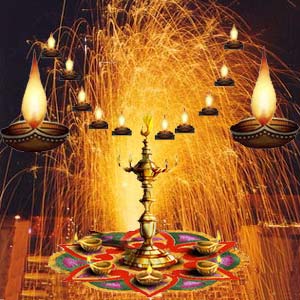
> DIWALI – Das Lichterfest in Indien <
DÄ«wali (or DÄ«pÄ�wali, often written Deepavali) (Hindi: दीपावली, दिवाली; Urdu: دیوالی; Tamil: தீபாவளி; Telugu: దీపావళి) is a significant festival in Hinduism, Sikhism, and Jainism, and an official holiday in India.[1] Adherents of these religions celebrate Diwali as the Festival of Lights. They light diyas—cotton string wicks inserted in small clay pots filled with oil—to signify victory of good over the evil within an individual.
India is a land of festivals. Diwali, the Festival of Lights, is celebrated with fervor and gaiety. The festival is celebrated by young and old, rich and poor, throughout the country to dispel darkness and light up their lives. The festival symbolizes unity in diversity as every state celebrates it in its own special way.
The celebration of the four-day festival commences on Aswayuja Bahula Chaturdasi and concludes on Kartika Shudda Vijiya. The first day of the festival Naraka Chaturdasi marks the vanquishing of the demon Naraka by Lord Krishna and his wife Satyabhama.
‚Puranas‘ have it that Naraka, son of Bhudevi, acquired immense power from a blessing given by Lord Brahma after a severe penance. He soon unleashed a reign of terror in the kingdom of Kamarupa, harassing celestial beings with his invincible might. Unable to bear the tyranny of the demon, the celestial beings pleaded with Lord Krishna to save them from his torture.
But Naraka could not be easily killed as he had a boon that he would face death only at the hands of his mother Bhudevi. So, Krishna asks his wife Satyabhama, the reincarnation of Bhudevi, to be his charioteer in the battle with Naraka.
When Krishna feigns unconsciousness after being hit by an arrow of Naraka, Satyabhama takes the bow and aims the arrow at Naraka, killing him instantly. Later Lord Krishna reminds her of the boon she had sought as Bhudevi. The slaying of Naraka by Sathyabhama could also be taken to interpret that parents should not hesitate to punish their children when they stray on to the wrong path. The message of Naraka Chaturdasi is that the good of the society should always prevail over one’s own personal bonds.
Das Yoga Shala Herbstprogramm 2009

www.yoga-shala.at
Liebe Yogafreunde!
für Euch und alle, die ihr kennt und denen ihr es weiterleiten wollt:
Das Yoga Shala Vienna startet den Herbststundenplan mit vielen neuen Kursen:
ASHTANGA VINYASA YOGA GRUNDKURS
Die Teilnehmer werden in 10 Einheiten in die Welt des Ashtanga Vinyasa Yoga eingeführt. Erklärt werden unter anderem:
* verschiedene Positionen (Asanas)
* die spezielle Atemtechnik (Ujjayi)
* die Einheit von Atmung und Bewegung (Vinyasa)
* Entspannung (Savasana)
Kursstart:
1. Kurs: 18.September, Freitag 19:00 – 20:30
2. Kurs: 7.Oktober, Mittwoch 17:00 – 18:30
YOGA FÜR KINDER
Kannst Du…
… brüllen wie ein Löwe?
… dich recken und strecken wie eine Katze?
… fest stehen wie ein Baum?
… ganz zur Ruhe kommen wie ein Stein?
Das und vieles mehr kannst Du bei uns erleben – komm und mach mit!
ab 6. bzw. 8. Oktober, Dienstag oder Donnerstag, jeweils 15:30 – 16:30
Des Weiteren…
ZAYA THE LOVING CHILDRENS CENTER
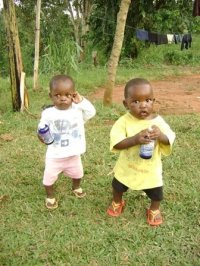
> ZAYA AFRICA is a Non Profitable Agency <
ZAYA AFRICA is a Non Profitable Agency that campaigns for, promotes, support and care for children, youth as well as elderly in communities and has creates platforms for solidarity with those children of school going age who do not have access to Education and desire assistance.
ZAYA works closely with > Phoenix Voyage African Project < in united effort to mobilize financial, technical and materials resources for sending orphans and vulnerable children [ OVC] to school and is committed to accomplish this as success story of all times.
It welcomes pledges for support in any amount small or big. The organization also brings peoples and cultures together as well as mobilizes and sensitizes them in fighting poverty besides delivering essential social services to disadvantaged group and communities who need health care facilities. ZAYA lobbies governments as well as other global stakeholders to help sponsor as many children to schools and ensure that these get the best education as possible.
The Loving Examples Children’s Project School in Katoogo Mukono District, Central Uganda is a model orphanage established and being sponsored. It is designed to encourage visits and exchange by volunteers, supporters, friends and partners and has space for expansion as fully equipped center in a conducive quite rural environment.
> Meet Zaya the loving Example children´s Center at facebook <
