
Posts by admin
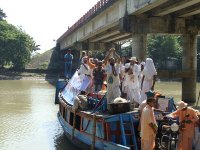
Sankirtan Padayatra at Sylhet in Bangladesh.
> BHAGAVAD-GITA ONLINE (free) <
> GAURANGA TV – SRI PRABHUPADA VIDEO COLLECTION <
To celebrate the auspicious occasion of Lord Chaitanya’s 500th anniversary of Sannyasa, ISKCON Bangladesh invites devotees from all over the world to participate in Bangladesh Sankirtan Padayatra. ISKCON Bangladesh will conduct the Sankirtan Padayatra from 25th of October 2009 till 18th January 2010. ISKCON Bangladesh Co GBC H. H. Prabhavisnu Swami will inaugurate the Sankirtan Padayatra and participants will include other ISKCON GBCs and sannyasis such as, H.H. Jayapataka Swami, H.H. Bhakti Charu Swami, H.H. Subhag Swami, H.H. Lokanath Swami, H.H. Bhakti Purusattama Swami, H.H. Gauranga Prem Swami and H.H. Bhakti Siddhanta Swami.
Local organizers are arranging varieties of programs for inclusion in the Bangladesh Sankirtan Padayatra. Street hari namas processions, cultural programs with Bengali Vaisnava stage drama, lectures, discussions and video
presentations will all be included. Free prasadam distribution will be arranged throughout the entire program for all devotees and visitors to honour. In addition to all this, world famous Bengali kirtan and bhajan singers will abundantly showers a constant downpour of nectar, throughout the Padayatra, which will be tasted by all participants.
Many significant Vaisnava thirtas of Bangladesh will be visited along the Sankirtan Padayatra such as, the birth place of Sri Jaganatha Misra & Saci Devi , Sri Pundarik Vidyanidhi Dhama, Sri Rupa & Sanatana Smrti Thirtha (the birth place of Sri Rupa & Sanatana Goswamis) and the birth place of Srila Narottama Dasa Thakura etc. To conclude the Bangladesh Sankirtan Padayatra on the 15th of January, a huge harinama procession with 500 mdangas, will resound throughout the streets of Dhaka, the capital City of Bangladesh, wherein Vaisnavas from around the world will embrace their Bengali brothers and together loudly proclaim the names „Jaya Sacinandana Gaura Hari!“. ISKCON Bangladesh enthusiastically invites you to come and inundate the holy land of Bangladesh with the special mercy of Sri Caitanya Mahaprabhu which will flow abundantly during this special 500th anniversary festival.
ISKCON Bangladesh promises you an experience you will never forget! Hare Krishna.
For further information contact Nabadwip Dwija Gauranga Das Brahmacari ISKCON Bangladesh Co-Director.President Iskcon Sylhet
> Meet ISKCON Groups, Friends, Yoga, Studies at facebook <
> Meet Sri Prabhupada, Friends, Groups, Studies at facebook <
> Meet Bhagavad-Gita, Groups, Friends, Studies at facebook <
‚ ARCILIUTO IN JAZZ ‚

The ESCollective Revolution Band live concert
11 nov 2009, 21.30 – 09:30 PM – Teatro ’Arciliuto’
Piazza Montevecchio 5 (pzz. Navona), Roma, Roma 00186 – 10,00
( FREE Downloads )
Mario Pompei al sax tenore
Pierfrancesco Cacace al sax soprano
Livio Pochetti al piano
Steve Mariani al contrabbasso
Max Baldassarre alla batteria
Guest star DEBASISH DASS, musicista indiano suonatore di tablas
Si uniranno a noi per suonare il brano Hydra Ivano Nardi alla batteria e Roberto Rega al sax alto
ANBU – Helping Children in Need
POEMS FROM MRS. SANTHI KRISHNAN
The director/conductor of the Organistation Raghavan, is in Arunachalapuram in south India, Tamilnadu and in the environment on the way and tried, so many humans, those by emergency, divorce, separation, accident or other one to help. He partly gets references from the population, which is guessed/advised humans in emergency. Then it intervenes: Anbu Trust is a legal organization. Raghavan, must deliver each year a report to the state and let its finances examine. What at donations by sponsorships, sponsors and other funds with it arrive, also really go to humans, who need it urgently. It supports much humans and children.
This is the FCRA, which one needs in India, in order to make a Non Profit Organization official, these places we gladly for the order, as a check.
Here at Anbu Trust we search for anyone who is willing to help with small monthly donations which is used in emergency situation. We are not looking for a great sum of money, but only which you can afford to give.
Only you can determine how much you can afford to give, every dollar, rupee, Euro, paso, what ever it is that you can give, counts and gives hope and the the dawn of another day for those in need. IT provides for many another day of food or medicine in which they would not recieve without our help. Each of us all over the world, whether in Germany, America, Russia, India, China or anywhere in the world, can be stricken by illness, unemployment or any emergency situation. We ask that if you can, to please help us and God by helping his children in need. Many of our friends in Bollywood have accepted a sponsorship or have given a donation. Some donate or help with clothes, shoes, toys or school supplies. They also give us ideas on how we can help more. For all we are grateful!
In several Bollywood forums, we have made wonderful friends, who help Raghavan and those in need in Tamilnadu.
Since the tsunami hit this area, it brought death an destruction and sickeness and hunger to many, only we can help them to recover and get a sense of life back to their existance. We adjust here on this web page everything, so that all everywhere can see what we work so hard to accomplish. All that you donate you will be able to see and that it is going to where it is intended to be. Our team works in vain, and we want no payment, or take money for any thing that is needed. We give everything from private funds. The cost of packages that are sent are privately paid for by the person sending them. We dispatch all the gifts to the children at our own expense also, so only the complete amount of donations go to the children and families in need.
You will be able to see where your donations are going and how they are helping those in need. You may also get picutes and from time to time and maybe a letter from those you are sponsoring. Any question you ever have will always be answered to the best of our ability and someone will always be available. We take great pride in helping those who need us and we get back so much just by seeing a smile.
Meet ANBU Trust – helping children in need at facebook <
Meet Bollywood Groups, Friends at facebook <
VEDA, VEDIC SCIENCES, PANCHANGAM
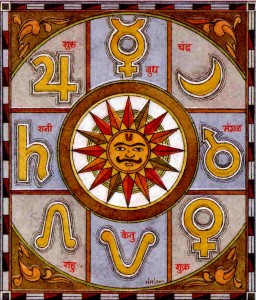
www.astrojyoti.com www.vaisnavacalendar.info
> Hindu astrological almanac <
WHAT IS PANCHANGAM ?
Tamil panchangam, Telugu Panchangam, Kannada Panchangam, Gujarati Panchangam, Marathi Panchangam, Hindi Panchangam, Benglai Panchangam or whatever panchangam you call it. Panchangam means five attributes of Hindu calendar day that is Tithi, Vaar, Nakshatra, Yoga, and Karana.
It is the official astrological calendar of practicing Hindus. It forecasts celestial phenomena such as solar eclipses as well as more mundane occurrences. The study of Panchangam involves understanding Rasi phala, the impact of the signs of the zodiac on the individual. Astrologers consult the Panchangam to set dates for weddings, corporate mergers, and other worldly activities.
These panchangam elements are same across all panchangam — Tamil panchangam, Telugu panchangam, Malayalam panchangam, and Hindi, Gujarati, Marathi, Punjabi, and other panchangam. What is different is how they threat their months/year. Solar months and their starting rules and luni-solar moths. Tamil, Malayalam, Bengali uses solar months and the rules on how month start is determined is different, but rest of information remains same. Panchangam is important part of the Hindu Calendar.
The word panchang is derived from the Sanskrit panchangam (pancha, five; anga, limb), which refers to the five limbs of the calendar: Vaara, Month and Tithi, Nakshatra, yoga, karana. The panchangam may also includes details about Rahu kalam, Yamagandam, Gulika Kalam, Durmuhurtham, Varjyam, Lagna Pravesh tables, daily planetory transists, and other information. The panchangam presented on this website contains enough information for people following different panchangam and they are available for diffferent places in the world.
> Meet Understand and Learn Hindu Panchangam at facebook <
> Meet Free Vaisnava Calender at facebook <
> Meet VEDIC, mathematics, jyotish, astrology, astronomy at fb<
> Meet Biorythm Development Group at facebook <
INTRO TO ACUPUNCTURE TREATMENT
> Deutsche Akademie für Akupunktur <
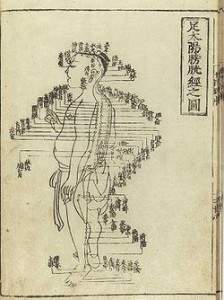
Acupuncture is the procedure of inserting and manipulating filiform needles into various points on the body to relieve pain or for therapeutic purposes.The word acupuncture comes from the Latin acus, „needle“, and pungere, „to prick“. In Standard Mandarin, 針砭 (zhÄ“n biÄ�n) (a related word, 針灸 (zhÄ“n jiǔ), refers to acupuncture together with moxibustion).According to traditional Chinese medicine, acupuncture points are situated on meridians along which qi (a „life energy“), flows. Modern acupuncture texts present them as ideas that are useful in clinical practice and continue to inform the practice of acupuncture, but there is no evidence to support their existence and they have not been reconciled with contemporary knowledge about biology, physics or chemistry.
Moxibustion (Chinese: 灸; pinyin: jiǔ) is a traditional Chinese medicine therapy using moxa, or mugwort herb. It plays an important role in the traditional medical systems of China, Japan, Korea, Vietnam, Tibet, and Mongolia. Suppliers usually age the mugwort and grind it up to a fluff; practitioners burn the fluff or process it further into a stick that resembles a (non-smokable) cigar. They can use it indirectly, with acupuncture needles, or sometimes burn it on a patient’s skin.
An Introduction to Different Types of Acupuncture Treatment:
Perhaps the first image that comes to mind of an acupuncture patient is that of a person sitting there with any number of needles stuck into their skin at particular points on their body such as the ear or wrist. In fact, this picture is a pretty accurate image of acupuncture treatment, with these sessions lasting anywhere from a few seconds to half an hour or more depending on the problem being treated. The needles are usually inserted just deep enough into the skin to hold them firmly in position, although they are inserted deeper if the symptoms being treated require it. Sometimes a twirling motion is used to insert the needles, which may on some occasions be warmed before insertion or be heated whilst they are under the skin. In most instances the insertion, manipulation or removal of the acupuncture needle causes no pain other than the very occasional slight twinge. If anything, the patient tends to feel more relaxed during the session, often experiencing a warm rush of energy. There are patients who will feel no immediate effects but instead notice changes over a more gradual period of several weeks.
Some varieties of acupuncture do not rely on needles. The thinking behind these methods, however, is exactly the same as conventional acupuncture technique and focusses principally on a knowledge of acupuncture points, the make up of the human body and an understanding of the importance of proper energy flow. The essential difference is that rather than a needle some other method is used to trigger the acupuncture point. For example, in sonopuncture, a device producing sound waves is applied to the acupuncture point; there are practitioners who use vibrating devices such as tuning forks to achieve similar results. Although these practices are being used increasingly there is significantly less documentation as to how effective they are compared to traditional needle based acupuncture.
The use of low voltage electric currents applied to acupuncture points has been in use since the mid 1950s. Sometimes this method is combined with that of the insertion of a needle, on other occasions a small wire connected to the current is simply placed on the skin, resulting in a light tingling sensation. In spite of being independently studied in both Europe and the US in the 1930s and 1940s western medicine seems to have subsequently lost interest in investigating its benefits any further.
Acupressure is perhaps the best known of the variations of traditional acupuncture. In this method no instruments are used other than the pressing of fingers to the acupuncture point. It can also be readily combined with other massage techniques such as shiatsu. It has the advantage of being relatively easy for even the layman to perform, aided by diagrams of pressure points on the hands and feet for example. It goes without saying, however, that although these diagrams can be helpful for relieving minor symptoms, a professional acupuncture practitioner will have a full and more effective understanding of the entire acupuncture system which goes far beyond simply knowing where the acupuncture points are found.
Acupuncture today embraces the use of many different instruments. The application of heat remains the most traditional choice amongst the alternatives, although approaches as varied as friction, magnets, suction and even laser beams are also used. Acupuncture is a therapy which has clearly stood the test of time and with is enormous adaptability and effective results, is the perfect compliment/alternative to western medicine.
> Meet Acupuncture Groups and Studies at facebook <
> Meet Moxubustion Groups and Alternative Medicine at facebook <
THE GERE FOUNDATION

As a small grant giving organization, the Gere Foundation awards grants to groups that are dedicated to the cultural preservation of Tibet and the Tibetan people; dedicated to providing HIV/AIDS care, research and treatment and to those organizations addressing human rights violations throughout the world.
The Gere Foundation contributes directly to The Tibet Fund, supporting His Holiness the Dalai Lama and the Tibetan community-in-exile.
F E N G S H U I

Feng shui (English pronunciation: /ˌfʌŋˈʃweɪ/ fung-SHWAY,formerly /ˈfʌŋʃuː.i/ FUNG-shoo-ee;pronounced [fə́ŋʂwèi]) is an ancient Chinese system of aesthetics believed to use the laws of both Heaven (astronomy) and Earth (geography) to help one improve life by receiving positive qi.The original designation for the discipline is Kan Yu (simplified Chinese:traditional Chinese: pinyin: kÄ�nyú; literally: Tao of heaven and earth).
Feng Shui kommt aus dem „Chinesischen“ und heißt übersetzt Wind und Wasser. Feng Shui ist die Kunst in Harmonie mit unserer sichtbaren und unsichtbaren Umgebung besser zu leben. Leben in Harmonie bedeutet Gesundheit, Wohlbefinden, Erfolg im Beruf, persönliches Glück und „spirituelles Wachstum“ auf allen Ebenen.
Es ist notwendig, um dieses Ziel zu erreichen, die für uns positiven Kräfte zu stärken und die negativen Kräfte weitgehend zu vermeiden. Im alten China waren die Menschen bemüht, mehr Harmonie zwischen sich und ihrer Umgebung herzustellen. In der heutigen Zeit wird „Feng Shui“ in Hong Kong, Singapur, Taiwan, Malaysia und in vielen weiteren Ländern alltäglich angewandt.
In den Chinesischen Ländern ziehen meistens Architekten „Feng Shui Berater“ zu Rate, bevor ein Neubau begonnen wird. Weiter Lesen > hier <
VASTU SHASTRA
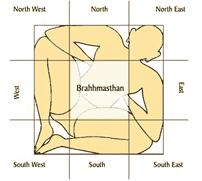
> Shilpa Shastra , Buddhism & Influences<
> Vedic Astrology and Vastu Shastra <
“The vastu-purusha-mandala represents the manifest form of the Cosmic Being; upon which the temple is built and in whom the temple rests. The temple is situated in Him, comes from Him, and is a manifestation of Him. The vastu-purusha-mandala is both the body of the Cosmic Being and a bodily device by which those who have the requisite knowledge attain the best results in temple building.” (Stella Kramrisch,; The Hindu Temple, Vol. I)
Vastu Shastra (vÄ�stu śÄ�stra, also Vastu Veda, „science of construction“, „architecture“) is a traditional Hindu system of design based on directional alignments. It is primarily applied in Hindu architecture, especially for Hindu temples, although it covers other applications, including poetry, dance, sculpture, etc. The foundation of Vastu is traditionally ascribed to the mythical sage Mamuni Mayan.
Manasara and Mayamata are the standard texts on Vastu Shastra, and they codify the theoretical aspects of all types of constructions; but specifically of temple construction. These texts deal with the whole range of architectural science including topics such as soil testing techniques, orientation, measures and proportion, divination, astrology and ceremonies associated with the construction of buildings.
The ancient Indian text Mayamata, written thousands of years ago, describes Vastu Sastra – the science of ancient Indian architecture. Hindu mythology explains the history of how it all started.
Vastu Sastra is both a science and art and its purpose is to make a human habitation not only a thing of beauty and strength but also make it give delight and affluence to the inhabitants in the long run.
Vastu Sastra, apart from being the science of architecture, can also be called the science of energies. The cosmic energies are converted into material benefits for the residents of the Vaastu-based structure and in a way, Einstein’s Theory e=mc2 is reflected in this ancient science. It converts living spaces to an order that sets an equation between the cosmic energies and the people living in the building to ensure physical, spiritual and material well-being. Vaastu creates a rhythm and balance in a building or a layout of a town to ensure a qualitatively better life for the residents.
Although deeply concerned with the Panchamahabhootas or the five primary elements of Nature viz., earth, water, fire, wind and space, and their balancing, it takes into cognizance the various other known and unknown cosmic energies. We understand these energies and try to harness their good influences on human life by a methodical placement of doors and windows, rooms, hearths and ovens, water bodies, open space in and around a building etc.
Experiment, observation and inference were the main criteria of arriving at the truth. However, the additional tool that a wise scholoar should have, is the intuitional perception with which many disciplines of knowledge developed. Various energies run around us in a particular pattern which can be harnessed such that they resonate with the individual being or the people residing in the building in a good manner to make their lives meaningful and harmonious. Various creative, destructive and sustaining energies present in the cosmos are considered and a set of guidelines are given for planning a site, a building, a layout or even a town that which is eco-friendly and contributes to the comfort and contentment of the habitants.
> Meet VASTU, Friends, and Study Groups at facebook <
YOGA SUTRAS OF PATANJALI
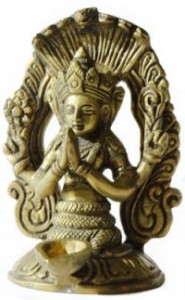
> The Yoga Sutras Of Patanjali <
> P A T A N J A L I, Full Aspects <
Patanjali was a great sage that lived thousands of years ago. The yoga Sutras he wrote seem to have transcended time remaining one of the most influential spiritual writings in Yoga.
The Yoga Sutras consist of 195 verses divided into 4 chapters. It is a book for those who have already practiced some meditation and attained some higher states of consciousness.
The Yoga Sutras of Patanjali is a foundational text of Yoga. It forms part of the corpus of Sutra literature dating to India’s Mauryan period. In Indian philosophy, Yoga (also Raja Yoga to distinguish it from later schools) is the name of one of the six orthodox philosophical schools.Though brief, the Yoga Sutras are an enormously influential work on yoga philosophy and practice, held by principal proponents of yoga such as > Iyengar < (1993: p.xiii) as being of principal importance:
Patañjali fills each sutra with his experiential intelligence, stretching it like a thread (sūtra), and weaving it into a garland of pearls of wisdom to flavour and savour by those who love and live in yoga….
Read More: > here <
Mantra of sage Patanjali:
- yogena chittasya padena vacham malam sarirasya cha vaidyakena | yopakaroti tam pravaram muninam patanjalim pranajaliranato’smi ||
- Let us bow the noblest of sages Patanjali, who gave Yoga for serenity of the mind, Sanskrit grammar for purity of speech and Ayurvedic medicine for the perfection of health.
FASTING PRACTICE OF NYUNGNE
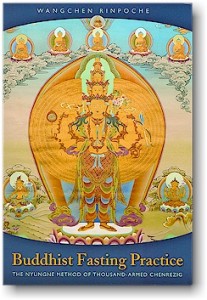
> Nyungne Method of Thousand-Armed Chenrezig <
> TRADITIONAL TIBETAN MEDICINE <
The fasting practice of Nyungne is a well known, very popular, and profound purification practice that is widely performed in Tibet.
One set of Nyungne consists of two days of practice. The first day is the preliminary day, and the second day is the actual fasting day. One takes what is called the Tekchen Sojong vow, the mahayana vow of Restoring and Purifying Ordination, with a total of eight precepts, and on the preliminary day one eats only one meal with drinks for the entire day. The meal is completely and purely vegetarian, which means it is free from any meat sub¬stance as well as onions, garlic, eggs, etc. The next day is a complete fast with no meals or drinks, and one must also be silent.
The source of this practice is a revered historical Buddhist figure known as Gelongma Palmo. She was actually an Afghani princess during a time when Afghanistan was a great Buddhist nation. Padmasambhava, who is considered second only to Lord Buddha, is also known to have come from that area. In Buddhist history books this place is known as Oddiyana, in what is now northwest India.
Gelongma Palmo was a very learned, fully ordained Buddhist nun who overcame the dreaded disease of leprosy through her practice of Nyungne by means of a vision of Chenrezig. From her the lineage of this extraordinary Nyungne practice tradition began. ~ Wangchen Rinpoche
THE BLACK PLUM OF BANGLADESH
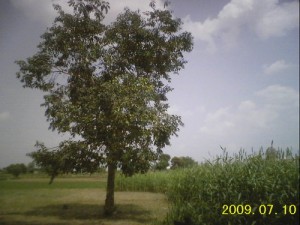
> DEUTSCHE DIABETES STIFTUNG <
> DIABETES MELLITUS INFORMATION <
> JAMBUL THE PLUM OF BANGLADESH <
Jambuls resemble large berries. They are oblong in shape. They are green when they are raw, then pink and finally shiny crimson black when ripe. The fruit has a sweetish, mildly astringent taste.The tongue turns purple after eating jambuls.Ripe jambuls have a smell that is reminiscent of ripe apricots.
Common names for jambul are Jambolan, Jambu, Jamum, Java Plum, Rose Apple and Thorn Apple.
Jambul is an evergreen tropical tree that belongs to the plant family Myrtaceae. It is native to India, Pakistan and Indonesia. It is also grown Myanmar, Brazil, Suriname and Afghanistan.
Health Benefits
Jambul is used as a carminative in India for diarrhoea and stomach aches. The seeds of fresh jambuls have been found effective in diabetes in quickly reducing sugar in the urine. Jambuls are also a useful remedy for stomach cramps and flatulence.
Various decoctions are made from the from the seeds to treat diarrhea and colic pains. According to studies conducted jambuls have a significant hypoglycemic action in both the urine and blood. They are of great value to diabetics. Even small amounts of jambul rapidly reduce blood and urine sugar levels. However, this does not work on all diabetics which may explain why this plant is not used more extensively in their treatment.
Ayurvedic medicine in India prescribes powdered jambul seeds for the treatment of diabetes. Jambul ground with mango seeds is taken in the treatment of diarrhea and dysentery. In certain parts of Southeast Asia, the roots are used for the treatment of epilepsy.
Read more: > here <
RECIPE FROM ANCIENT VEDIC COOKING ART:
> Dein Ayurveda Net ….. ” Ayurveda ” <
> Meet Tradtional Chinese Medicine at facebook <
> Meet Tibetan Medicine at facebook <
> Meet Culture, Religion and Ethnomedicine at facebook <
> Meet Indogenous Medicine at facebook <
> Meet the Herbal Doctor Magazin at facebook <
> Meet Pentavox Herbals, Ayurveda (Biggest Ayurveda Group on fb) <
> Meet many Ayurveda Groups and Friends at facebook <
> Meet Dhanvanthari Groups and Friends at facebook <
> Meet NaturalNews.com at facebook <
NaturalNews.com is an independent news resource that covers the natural health and wellness topics that empower individuals to make positive changes in their personal health. NaturalNews offers uncensored news that allows for healthier choice.
DIE VEDISCHE KOCHKUNST
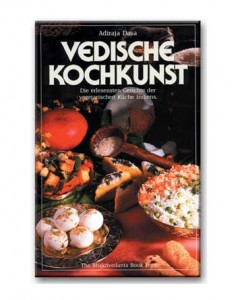
www.krishna.com
Krishna (कृष्ण in Devanagari, kṛṣṇa in IAST, pronounced [ˈkr̩ʂɳə] in classical Sanskrit) is a deity worshipped across many traditions in Hinduism in a variety of perspectives. While many Vaishnava groups recognize him as an avatar of Vishnu, other traditions within Krishnaism consider Krishna to be svayam bhagavan, or the Supreme Being. Krishna is often depicted as an infant, as a young boy playing a flute as in the Bhagavata Purana, or as a youthful prince giving direction and guidance as in the >> BHAGAVAD GITA << .The stories of Krishna appear across a broad spectrum of Hindu philosophical and theological traditions.They portray him in various perspectives: a god-child, a prankster, a model lover, a divine hero and the Supreme Being.The principal scriptures discussing Krishna’s story are the MahÄ�bhÄ�rata, the Harivamsa, the Bhagavata Purana and the Vishnu Purana.
HISTORY AND INFLUENCES
As a land that has experienced extensive immigration and intermingling through many millennia, India’s cuisine has benefited from numerous food influences. The diverse climate in the region, ranging from deep tropical to alpine, has also helped considerably broaden the set of ingredients readily available to the many schools of cookery in India. In many cases, food has become a marker of religious and social identity, with varying taboos and preferences (for instance, a segment of the Jain population will not consume any roots or subterranean vegetables; see Jain vegetarianism). One strong influence over Indian foods is the longstanding vegetarianism within sections of India’s Hindu, Buddhist and Jain communities. People who follow a strict vegetarian diet make up 20–42% of the population in India, while less than 30% are regular meat-eaters.
Masala dosa served in a restaurant in southern India. Indian cuisine is characterized by the widespread practice of vegetarianism across India’s populace.
Around 7,000 BC, sesame, eggplant, and humped cattle had been domesticated in the Indus Valley. By 3000 BC, turmeric, cardamom, black pepper and mustard were harvested in India. Many recipes first emerged during the initial Vedic period, when India was still heavily forested and agriculture was complemented with game hunting and forest produce. In Vedic times, a normal diet consisted of fruit, vegetables, meat, grain, dairy products and honey. Over time, some segments of the population embraced vegetarianism, due to ancient Hindu philosophy of ahimsa. This practice gained more popularity due to cooperative climate where variety of fruits, vegetables, and grains could easily be grown throughout the year. Buddhism, among several other beliefs and practices borrowed vegetarianism from Hinduism to embrace Ahimsa. A food classification system that categorised any item as sattva, rajas or tamas developed in Ayurveda. Each was deemed to have a powerful effect on the body and the mind
Later, invasions from Central Asia, Arabia, the Mughal empire, and Persia, and others had a deep and fundamental effect on Indian cooking. Influence from traders such as the Arab and Portuguese diversified subcontinental tastes and meals. As with other cuisines, Indian cuisine has absorbed New World vegetables such as tomato, chilli, and potato, as staples. These are actually relatively recent additions.
Islamic rule introduced rich gravies, pilafs and non-vegetarian fare such as kebabs, resulting in Mughlai cuisine (Mughal in origin), as well as such fruits as apricots, melons, peaches, and plums. The Mughals were great patrons of cooking. Lavish dishes were prepared during the reigns of Jahangir and Shah Jahan. The Nizams of Hyderabad state meanwhile developed and perfected their own style of cooking with the most notable dish being the Biryani.
During this period the Portuguese and British introduced foods from the New World such as potatoes, tomatoes, squash, and chilies as well as cooking techniques like baking.
DINACHARIYA – The Ideal Daily Routine
Researchers have long discovered that our body has many inbuilt rhythms or cycles. Most of our body functions follow a daily cycle. our weight fluctuates during the day and is maximum in the evening, our body temperature is highest in the evening, most of our hormones have their well defined periods of high and low secretions during the day and the most obvious of all the sleep – wake cycle. Therefore intrinsically the emphasis in our body is on natural cycles.
In Sanskrit the daily routine is called the Dinacharya. Din means ‚day‘ and ‘acharya’ means ‚to follow‘ or ‚close to‘. So Dinacharya is basically an ideal daily schedule for us which takes into account the nature’s master cycle and suggests actions to follow. Ayurveda recommends that in order to be optimally healthy we should tune our bodies to the nature’s master cycle which in turn regulates the various other rhythms.
Everyday two waves of change pass through us, each bringing a Vata, Pitta, and a Kapha cycle. The approximate times of these cycles are as follows:
First cycle: 6 A.M. to 10 A.M. – Kapha
10 A.M. to 2 P.M. – Pitta
2 P.M. to 6 P.M. – Vata
Second cycle:
6 P.M. to 10 P.M. – Kapha
10 P.M. to 2 P.M. – Pitta
2 A.M to 6 P.M. – Vata
- DINACHARIYA: auf > www.enjoyliving.at <
- DINACHARIYA AUDSBILDUNG: > hier <
- WAS IST DINACHARIYA ? : > hier <
AYURVEDA DIET OF FOOD & HEALTH
A balanced diet is one of the key Ayurvedic tools, for promoting good health. The practitioners of the ‚Science of Life‘ (Ayurveda) suggest that the diets for people are individualized, based on many factors, such as their age, gender, the doshic tendencies, the strength of body tissues and digestive fires and the level of ama (toxins) in their body. This is the reason why Ayurveda is considered the complete system of healthcare, since ages. The effect of right and wrong type of diet is clearly mentioned by the Ayurvedic practitioners. This helps people to have an idea about what to eat and the right way of eating food.
Apart from a wholesome diet, studies conducted by Ayurveda practitioners also suggest that one should follow some basic rules, when it comes to consumption of food. According to Ayurveda, food should be consumed only after the digestion of the previous meal, because it promotes proper digestion, appetite and the right manifestation of the natural urges. Ayurveda is the complete health guide, which insists that all the six tastes should be included in each main meal that you eat. That is the reason why Ayurveda is referred to as a holistic alternative science.
READ MORE: > here <
> Meet all Ayurveda Groups, Friends, Studies at facebook <
> Meet BHAKTI, YOGAH, VEDANTA, Friends, Studies at facebook <
> Meet INT. VEDANTA – JNANA & BHAKTI ASSOCIATION at facebook <
KARMA, KARMA YOGA, GODs GRACE
> A. C. Bhaktivedanta Swami Prabhupada <
> KARMA YOGA, – Sukadev Bretz <
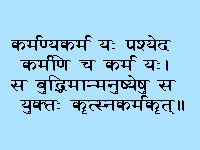
armany akarma yah pasyed akarmani ca karma yah
sa buddhiman manusyesu sa yuktah krtsnakarmarkrt
He, who sees inaction in action, and action in inaction, is wise among men; he is a Yogi who has accomplished all action
Im strengen Sinn der Worterklärung bedeutet «Karma» : Handlung.
Die vedischen (alt-indischen) theologischen Schriften, wie die Bhagavad-Gita, führen diesen Begriff noch weiter aus, indem sie zwischen drei Arten von Handlungen unterscheiden: Karma, Vikarma und Akarma. In dieser tiefergehenden Unterscheidung werden mit dem Begriff «Karma» Handlungen bezeichnet, die eine angenehme Rückwirkung erzeugen.
Der Begriff «Vikarma» bezieht sich auf Handlungen, deren Wirkungen als Leid empfunden werden. Der Karma-Kandha Teil der Veden unterscheidet diese zwei Arten der Handlungen entsprechend den in den Veden zu findenden moralischen und ethischen Richtlinien als glückbringende und leidbringende Tätigkeiten. Dem Tun beider Kategorien ist gemeinsam, dass es Bindung im Kreislauf der Wiedergeburt erzeugt.
Die dritte Art von Handlungen werden «Akarma» (Nicht-Handeln) genannt, das heisst, sie erzeugen weder angenehme, noch leidvolle Wirkungen, sondern verursachen durch ihren Bezug zu der dieser irdischen Welt zugrundeliegenden göttlichen Welt, keine „materielle“ Wirkung, die in Form einer Reaktion «geerntet» werden müsste. Als Akarma wird grundsätzlich alles Tun bezeichnet, das in Gott, Ursprung, Natur, gründet. In der Bhagavad-Gita wird wie folgt darauf verwiesen:
«Jemand, der nicht motiviert ist, die Früchte seiner Handlungen zu geniessen, befreit sich schon in diesem Leben von guten (karma) und schlechten Taten (vikarma). Beschäftige dich deshalb auf dem Pfad des selbstlosen Handelns, denn solches Buddhi-yoga, die Ausgeglichenheit im selbstlosen Handeln, ist bestimmt die wahre Kunst des Handelns.» (2.50)
Über den rein wörtlichen Gehalt hinaus, schliesst der Beriff «Karma» auch die Folgen des Tuns ein. Entsprechend den Handlungen werden Wirkungen erzeugt, die auf den Handelnden zurückfallen.
Da niemand nur «gut» oder nur «schlecht» handelt, sind auch die auf den Verursacher zurückfallenden Wirkungen in unterschiedliche Verhältnisse von Genuss und Leid aufgeteilt. Dies wird dann oft als sogenanntes gutes oder schlechtes Karma oder einfach nur als «karmische Reaktionen» bezeichnet.
Dieselbe Thematik noch ein wenig vertieft:
Auch die westliche Wissenschaft kennt das Prinzip der Kausalität aller Aktionen und Ereignisse im Universum, wonach es für jede Erscheinung in dieser Welt, eine korrespondierende Ursache gibt.
Der Veda beschreibt seinerseits ein Gesetz von Ursache und Wirkung, welches die Wirkung an die Ursache knüpft und zwar sowohl auf der grob- wie auch feinstofflichen Ebene unserer weltlichen Existenz: das Gesetz des Karma.
Im strengen Sinn der Worterklärung bedeutet der Begriff Karma: Handlung.
In den verschiedenen Erklärungen von Guru (Lehrer), Sadhu (Heiligen) und Shastra (heiligen Texten) wird dieser Begriff noch weiter ausgeführt. Über den rein wörtlichen Gehalt hinaus, schliesst der Beriff Karma auch die Folgen des Tuns ein. Dabei erzeugen die Handlungen nicht nur Wirkungen, welche die Umwelt beeinflussen, sondern wirken auch auf den Handelnden selbst zurück.
Als Grundeinsicht der meisten vedischen Karmalehren gilt daher das Verständnis:
„Des Menschen Wesen, seine Natur und seine Lebensumstände sind das Ergebnis seiner eigenen inneren und äusseren Betätigungen, nicht etwas Zufälliges und Unerklärliches. Er ist das, wozu er sich selbst gemacht hat. Jeder Mensch erntet, was er sät. Von dem, was er tut, hat er seinen Vorteil; für das, was er tut, leidet er.“ (Die Idee der Reinkarnation in Ost und West, Diederichs 1996, S. 66).
Damit verliert der Zufall seine Grundlage und erhält stattdessen eine sehr wörtliche Bedeutung: etwas, was einem aufgrund des eigenen vergangenen Tuns zu-fällt.
Seit unvordenklicher Zeit handelt das Lebewesen in der materiellen Welt und geniesst oder erleidet die Reaktionen auf seine Handlungen. Es sind seine Handlungen, die zu einer Wanderung von einem materiellen Körper zum anderen führen.
Da niemand nur gut oder nur schlecht handelt, sind auch die auf den Verursacher zurückfallenden Wirkungen in unterschiedliche Verhältnisse von Genuss und Leid aufgeteilt. Dies wird dann oft als sogenanntes gutes oder schlechtes Karma oder einfach nur als karmische Reaktionen bezeichnet.
Grundsätzlich unterscheidet der Veda drei Arten von Handlungen: Karma, Vikarma und Akarma.
– Karma ist das Tun, das angenehme Wirkungen erzeugt.
– Vikarma bezieht sich auf Handlungen, deren Wirkungen als Leid erfahren werden.
Der Karma-Kandha Teil der Veden unterscheidet diese zwei Arten der Handlungen entsprechend den in den Veden zu findenden moralischen und ethischen Richtlinien als glückbringende und leidbringende Tätigkeiten. Doch beide dieser Kategorien des Tuns werden als Knechtschaft bezeichnet, da sie Bindung an den Kreislauf der Wiedergeburt erzeugen (karma-bandhana).
– Die dritte Art von Handlungen wird Akarma (Nicht-Handeln) genannt.
Das heisst, sie erzeugen weder angenehme, noch leidvolle Wirkungen, sondern verursachen durch ihren Bezug zu der dieser irdischen Welt zugrundeliegenden göttlichen Welt, keine Bindung an diese Welt. Grundsätzlich ist damit alles Tun gemeint, das in Gott, Natur, Ursprung, gründet.
Wie bereits aus den Anfangskapiteln der Bhagavad-gita hervorgeht, kann das Lebewesen nicht einfach dadurch vom Karma frei werden, dass es sich von Tätigkeit fernhält. Im Gegenteil: Der Veda beschreibt die Eigenschaft der Seele als ewig und unverrückbar aktiv. Freiheit von der grossen Kette des Karma kommt durch Wissen.
„So wie das lodernde Feuer Brennholz zu Asche verwandelt, o Arjuna, so verbrennt das Feuer des Wissens alle Reaktionen auf materielle Tätigkeiten (sarva-karmani) zu Asche.“
Tun, das in diesem Wissen gründet, beschreibt die Bhagavad-gita wie folgt:
„Jemand, der nicht motiviert ist, die Früchte seiner Handlungen zu geniessen, befreit sich schon in diesem Leben von guten (karma) und schlechten Taten (vikarma). Beschäftige dich deshalb auf dem Pfad des selbstlosen Handelns, denn solches Buddhi-yoga, die Ausgeglichenheit im selbstlosen Handeln, ist bestimmt die wahre Kunst des Handelns.“ (2.50)
In einem ersten Schritt bezieht sich selbstloses Tun oder im Wissen zu handeln, welches das Karma zu Asche verbrennt, darauf, dass das Lebewesen sich zumindest theoretisch seiner wesensgemässen Stellung als der ewiger Diener des Höchsten bewusst wird. Das Subjekt ist das Zentrum. Das Objekt (Lebewesen) steht immer in einer Abhängigkeit zu diesem Zentrum. Erkennt das verkörperte Lebewesen seine wesensgemässe Stellung und handelt in diesem Bewusstsein, kann es alles vergangene, gegenwärtige und zukünftige Karma transzendieren.
So erklärt das Darada-pancaratra, die Kunst des karma-yoga sei hrsikene hrsikesa-sevanam: „Dem Herrn der Sinne mit seinen eigenen Sinnen zu dienen“.
Es ist die Aufgabe des Lehrers, seine Schüler diese schwer fassbare Kunst des Akarma oder der Aktion ohne Reaktion zu lehren. (karma + vikarma = akarma)
> Meet many Srila Prabhupada Groups, Friends at facebook <
> Meet many BAGHAVAT GITA Groups, Friends, Studies at facebook <
> Meet many ISKCON Groups, Friends, Studies, Education at facebook <
NEWS ABOUT QUEENS CAFE IN UDAIPUR!
> BACK TO LIFE e. V. in Germany <
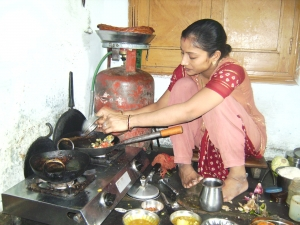
Anyone visiting Udaipur who has a desire to learn the traditional vegetarian Indian menu from A-Z should be required to visit Meenu at the Queen Cafe in Udaipur. Her cooking classes, held in her parents tiny restaurant kitchen (which is approximately 6′ by 6′) are what she herself describes as “principle classes”. Instead of learning to make a set 4 or 5 dishes, she shows you every masala, curry, bread, rice, and vegetable combination that you can possibly imagine – and on top of it throws in a few of her personal inventive recipe combinations. She has the corner on the market for these type of classes and so is fiercely protective of her IP. You better bring your best short-hand – you can write as many hand-written notes as you can manage between trying the 50 dishes that come flying at you…..
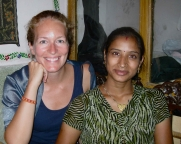
Cindy and Meenu – our fantastic teacher!
!DER Geheimtip! – in Nordindien….
…..By the end of the day we felt like we had found a home away from home. We had dinner at their one small community restaurant table – the best pumpkin curry in all of Rajastan!
We met her kids, helped her write some email, and learned about the struggles of a business-savvy Indian woman trying to balance family life and a career of her own. She is on her way to opening Meenu’s Restaurant in July of this year, with a larger space for bigger cooking classes.
We did take a short break to take in the cultural show at Bagore ki Haveli – which for a mere 60 rupees got a double two-thumbs up for the fantastic (and not called-in) performers and the price.
If you are ever in Udaipur it would be a sin to miss the cultural show, but especially to miss a stop at Queen Cafe. Oh, and get as many of Meenu’s special chocolate balls as you can carry. They don’t melt in 100 degree temperatures and rival any Belgian chocolate truffle you’ve ever tasted!
Travellers can rent a room in the family’s apartment above Queen’s Cafe a tiny little restaurant run by Meenu and her parents. You can spent all of Friday morning in the kitchen getting an Indian cooking lesson, and eat the results.
>Mehr über Meenu, Kategorie Sozialprojekte<
Spenden in Hinblick der Bewahrung traditioneller vegetarischer, vedischer Küche, bzw. der Planung Meenus Restaurants in Rajastan über Kontaktaufnahme bei www.back-to-life.com
Koch-Schüler, Wanderer & Reisende jederzeit bei Meenu herzlich willkommen!
Übernachtungsgäste können mit Meenus Sohn ganz in der Nähe auf dem See Boot fahren!
> Meet Ayurveda Groups, friends, Studies, Cooking… at facebook <
DALIT PANTHER – ARISING LIGHT PREVIEW
> ZINEMAYA MOVIE , Dr. Babasaheb Ambedkar <
>> Dalit Panthers of India (DPI) <<
Bhimrao Ramji Ambedkar (Marathi: डॊ.भीमराव रामजी आंबेडकर) (14 April 1891 — 6 December 1956), also known as Babasaheb, was an Indian nationalist, jurist, Dalit, political leader, activist, philosopher, thinker, anthropologist, historian, orator, prolific writer, economist, scholar, editor, revolutionary and the revivalist of Buddhism in India. He was also the chief architect of the Indian Constitution. Born into a poor Untouchable family, Ambedkar spent his whole life fighting against social discrimination, the system of Chaturvarna — the Hindu categorization of human society into four varnas — and the Indian caste system. He is also credited with having sparked the Dalit Buddhist movement. Ambedkar has been honoured with the Bharat Ratna, India’s highest civilian award.
Arising Light is about the life of Dr Bhimrao Ramji Ambedkar (1891-1956) and social welfare in India. Uplifting himself from the community of untouchables in India he educated himself in the West and became a national leader in India’s struggle for equality and justice.
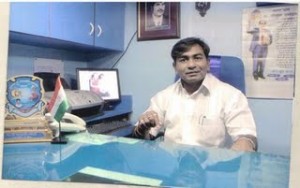
WELCOME TO MY BLOG – Hon. Baappusaasheb S Bhosale – Founder National President Dalit Panther Of India – (The Movement For Social Justice For Coman Man and his Rights )
Dalit Panther of India is a Social Organization committed obtaining social and economic justice for all. The main endeavour of this avant garde people’s movement is to demolish orthodox and clichéd socio-religious inequity and thereby ensure peace and prosperity.
Following in the lofty tenets of Mahatma Phule, Rajshri Shahu Maharaj & Dr. Baba Saheb Ambedkar, the Dalit Panther of India shall strive to empower the socially and economically challenged by preseving their equanimity & dignity.
Vision
Dalit Panther of India shall strive to contribute substantially to creation of an equitable society to ensure tranquility and well being for all through creation sense self-esteem and karma yoga.
Mission
We believe that prosperity is a function of people empowerment and self-knowledge. Dalit Panther of India are committed to empowering the less fortunate through education and through organizing themselves in a manner that at once liberates their inadequacies and insecurities and delivers self-respect. This means a complete demolition of orthodoxy and archaic practices of caste system which have led to unfortunate pseudo-apartheid in the Society.
In doing this Dalit Panther of India shall strive to establish a social order in the highest traditions democracy promoting a meaningful national integration that leads individuals to becoming respectable Global Citizens.
> DR AMBEDKAR MEDICAL COLLEGE, MISSION, BED HOSPITAL FUTURE PLAN (BRAMC) <
> DR AMBEDKAR INSTITUTE OF TECHNOLOGY, ADMISSION, DEPARTMENTS <
> Meet Dr. Bhimrao Ramji Ambedkar at facebook <<
> Meet Dr.B.R. Ambedkar Medical College at facebook <
> Meet Dr AmbedKar Institute of Technology at facebook <
