
Posts by admin
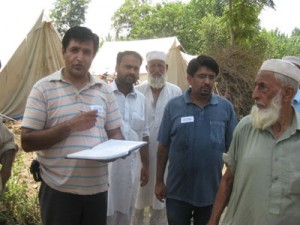
MALC, Ruth Pfau – Flood Relief Pakistan
Int. Website of Mary Ward Schools
Dr. Ruth Katherina Martha Pfau (born 1929) is a Pakistani-German nun and a member of the Society of Daughters of the Heart of Mary who has devoted the last 50 years of life to fighting leprosy in Pakistan. In 1996, Pakistan was declared by the World Health Organization to have controlled leprosy, one of the first countries in Asia to achieve this goal. Read More: > HERE <
Pakistan (Urdu: پاکِستان) officially the Islamic Republic of Pakistan (Urdu: اسلامی جمہوریہ پاکِستان) (also the Federation of Pakistan), is a country in South Asia. It has a 1,046-kilometre (650 mi) coastline along the Arabian Sea and Gulf of Oman in the south, is bordered by Afghanistan and Iran in the west, and India in the east and China in the far northeast. Tajikistan also lies very close to Pakistan but is separated by the narrow Wakhan Corridor. Thus, it occupies a crossroads position between South Asia, Central Asia and the Middle East. The region forming modern Pakistan was at the heart of the ancient Indus Valley Civilisation and then later was the recipient of Vedic, Persian, Indo-Greek, Islamic, Turco-Mongol, and Sikh cultures. The area has witnessed invasions and/or settlements by the Indo-Aryans, Persians, Greeks, Arabs, Turks, Afghans, Mongols and the British.
While the Indian independence movement demanded an independent India, the Pakistan Movement (led by Quaid e Azam Muhammad Ali Jinnah of the All-India Muslim League) sought independent states for the majority Muslim populations of the eastern and western regions of British India as well.The British granted independence and also the creation of one Muslim majority state of Pakistan that comprised the provinces of Sindh, North-West Frontier Province, West Punjab, Balochistan and East Bengal. With the adoption of its constitution in 1956, Pakistan became an Islamic republic. In 1971, a civil war in East Pakistan resulted in the creation of Bangladesh. Read More: > HERE <
The German Leprosy and Tuberculosis Relief Association (DAHW), founded in 1957, is a non-profit organisation with headquarters in Würzburg, Germany. It has 62 members. The eight-person Board works on a voluntary basis. For 50 years, DAHW has been helping millions of sick and marginalised people in Africa, Asia, Central and South America. It supports more than 300 relief projects in about 40 countries. DAHW is politically and denominationally independent.
The priorities – The core activity of DAHW is to cure people affected by leprosy and tuberculosis. DAHW takes care also of people who have contracted HIV or who are suffering from AIDS. It combats forgotten diseases such as Buruli ulcer (an infectious disease, similar to leprosy, in Africa, that causes disfigurement, mainly in children), Chagas disease (transmitted by assassin bugs in South and Central America; it causes damage to the nervous system, heart and gut) and leishmaniasis , Kala Azar(carried by phlebotomine sandflies in Asia and Africa; leishmaniasis affects the internal organs, skin or mucous membranes to varying degrees of severity). In places where DAHW has a good infrastructure, it also provides disaster relief, most recently in southern India following the tsunami of 26 December 2004, and in Kashmir, Pakistan, after the earthquake of 8 October 2005.
You Tube Channel DAHW Ruth Pfau Gesten der Menschlichkeit, nicht politische Belehrungen, sind jetzt besonders gefragt“
MALC is working for Leprosy elimination, TB and Blindness control and Community Development for the last 54 years. It is a non profit, non sectarian organization registered under the Societies Act.
A well-knitted network of 157 control centres nationwide mostly in remote areas is functioning in close collaboration with provincial governments and providing services to the patients and communities free of charge. By the grace of Allah SWT and efforts of the team, Leprosy was controlled in 1996. After controlling Leprosy we are now making efforts for its elimination. MALC is also in the front to provide relief and rehabilitation to the poor and needy people affected by natural and man-made calamities and participates actively in the relief, reconstruction and rehabilitation activities in the earthquake and in various floods and draughts relief projects in the country.
The devastating floods in Pakistan – The already food insecure population where 77 million people go hungry in Pakistan while 36% of the population are afflicted by poverty. The situation in Pakistan has developed into a worse case scenario as the government has already declared it as the worst flood in the country’s history. The ravaging flood has moved towards south leaving behind approx 1,500 dead, 900 missing, and innumerable displaced and devastating damage to agriculture, houses and livestock. 250 houses in Kohistan have also been reported completely destroyed. Getting food supply is getting more and more challenging. In mountains due to broken road links, food supply is being transported on mules back and in some areas boats have come into action. Due to scarcity of potable water another emergency has developed for clean drinking water and relief efforts are also directed towards provision of water in containers.
Please donate generously to
MALC Emergency Relief Fund
Account No. 01-7423462-01
at Standard Chartered Bank
and help the poor families especially women and children. MORE…
The Ninth Mandaean Camp Niagara Falls
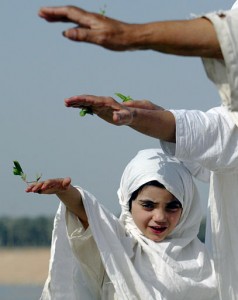
Mandaeism or Mandaeanism (Mandaic: Mandaiuta, Arabic: مندائية MandÄ�’iyya, Persian: مندائیان) is a monotheistic religion with a strongly dualistic worldview. “The Mandaeans are pacifists, followers of Adam, Noah and John the Baptist.“ The Mandaeans (also sometimes referred to as Sabians in Arabic), revere Adam, Abel, Seth, Enosh, Noah, Shem, Aram and especially John the Baptist. Mandaeism has historically been practised primarily around the lower Euphrates and Tigris and the rivers that surround the Shatt-al-Arab waterway, part of southern Iraq and Khuzestan Province in Iran. There are thought to be between 60,000 and 70,000 Mandaeans worldwide, and until the 2003 Iraq war, almost all of them lived in Iraq Many Mandaean Iraqis have since fled their country (as have many other Iraqis) because of the turmoil of the war and terrorism. By 2007, the population of Mandaeans in Iraq had fallen to approximately 5,000. Most Mandaean Iraqis have sought refuge in Iran with the fellow Mandians there. There has been a much smaller influx into Syria and Jordan, with smaller populations in Sweden, Australia, the United States, and other Western countries.
The prewar Iraqi Mandaean community was centered around Baghdad. Mandaean emigration from Iraq began during Saddam Hussein’s rule, but accelerated greatly after the American invasion and subsequent occupation. Since the invasion Mandaeans, like other Iraqis, have been subjected to violence by terrorist groups (not necessarily of Iraqi origin), including murders, kidnappings, rapes, evictions, and forced conversions. Mandaeans and many other Iraqis, have been also targeted for kidnapping since many worked as goldsmiths. Mandaeism is pacifistic and forbids its adherents from carrying weapons. Most Iraqi Mandaeans have fled the country in the face of this violence, and the Mandaean community in Iraq faces extinction. Out of the over 60,000 Mandaeans in Iraq in the early 1990s, only about 5,000 to 7,000 remain there; as of early 2007, over 80% of Iraqi Mandaeans were refugees in Syria and Jordan as a result of the Iraq War. There are small Mandaean diaspora populations in Sweden (c. 5,000), Australia (c. 3,500 as of 2006), the USA (c. 1,500), the UK (c. 1,000), and Canada. Sweden became a popular destination because a Mandaean community existed there before the war and the Swedish government has a liberal asylum policy toward Iraqis. Read More: > HERE <
The Sabian Mandaeans In Iraq – The Mandaeans are the descendants of the great civilizations of Iraq. They have lived in Iraq for thousands of years, and shared in its glories and miseries. They have added to the colors of the culture in Iraq: their white peaceful color, their sincerity and love of knowledge. Their uniqueness gives an example of how fertile this land is not only in its soil but also in spirituality and human thoughtfulness. They participated in building of the great civilization of that area and took their fair share in its miseries. The last of which was the brutal dictatorship, which spared nobody in its evil. The demise of that regime has widely opened the doors for a possibility of a democratic society where civil liberties and basic human rights are respected unfortunately it also opened the doors for chaos.
The Mandaeans Call for Democracy and Civil Rights in New Iraq – The Mandaeans are ancient people lived in Mesopotamia (modern Iraq) for thousands of years. They participated in the building of the great civilization of that area and they took their fair share in its miseries. The last of which was the brutal dictatorship, which spared nobody in its evil. The demise of this regime has widely opened the doors for a possibility of a democratic society where civil liberties and basic human rights are respected.
The Mandaeans, today, ask for the establishment of a democratic system in Iraq. A just and fare system that respects their freedom and religious beliefs and recognize them as a monotheistic religion with equal rights and duties as all other citizens of Iraq.
We call upon the United Nations, The Coalition Governments, and the Iraqi political parties and powers to help in building the new democratic Iraq with a new constitution that guaranties the basic human rights and puts the mechanism for prevention of another dictatorship emerging in Iraq. This will be the only guarantee for a better future for a unified Iraq where all ethnicities and religions live in harmony and peace.
As we congratulate our fellow Mandaeans with the demise of the dictatorship, we also congratulate all Iraqi people and the people of the world for the end of one of the most brutal and dangerous regimes in the modern era. We call for peace and freedom for all. – The Mandaean Associations Union.
The Ninth Mandaean Camp Niagara Falls, August 13-15 , Compark Resort – More than 125 Mandaeans convened from all over the world for the ninth annual Mandaean Camp. Attending a cozy retreat in Niagara Falls, Canada, Mandaeans from the US, Canada, Europe, and Australia enjoyed three days of mild weather celebrating their heritage with family and friends.
Among the most important highlights of the camp was the large number of youth who attended. The ease and conviviality with which they congregated and befriended brought joy to every parent’s heart and reinforced for all of us the main reason we assemble every year.
Mandaean Appeal- Save the Iraqi Mandaeans – To the free-thinkers of the world; to men of religion and thought; to the scientists, artists, writers, journalists, and proponents of peace; to those interested in human civilization, religions of ancient history and anthropology, and the history of Ur, Missan, Babylon, and Nineveh; to the scientists of natural history; to scholars of ancient languages and archaeology; to all those who are pained by the bloodshed in modern-day Mesopotamia, the cradle of civilizations.
In Mandaean legends, as well as in those of India and Persia, one finds perpetual reference to wandering darawish, religious wanderers who, like Hirmiz Shah in the Mandaean story, like Gautama the Buddha in India, or, in medieval times, Guru Nanak, set out in search of intellectual and spiritual peace. www.farvardyn.com/mandaean.php
Speculation in the West is mostly conducted from a chair: the adventurer into the realms of thought goes no farther than the laboratory or the study. In the East, seekers after truth were peripatetic: their intellectual vagabondage was physical as well. It is certain that where the merchant penetrated, religious wanderers followed; travelling philosophers, ranging from China to India, Baluchistan, and Persia, and from Persia and Iraq to the Mediterranean, using the passes of Kurdistan and the waterways of Iraq. The oriental loves metaphysical argument and seeks it: the higher his type, the more addicted he is to this form of mental exercise, and the readier to listen to the opinions of a guest. The result, a leaven of unorthodoxy amongst the intellectual, eventually spread to the masses, first, possibly, as secret heresies, and then as new forms of religion. www.farvardyn.com
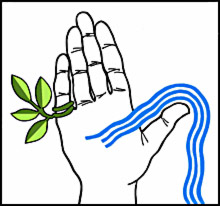
Sirs and Madams: The Sabian Mandaeans are a people of ancient Iraqi roots, who practice the traditions and rituals of the oldest era in the history of Iraq. They follow the teachings of the great prophet of peace, John the Baptist. They carry this prophet’s banner of peace, and believe in water as a symbol of purity and vitality. They maintained their baptism ritual generation after generation.
Today, the Mandaeans are facing persecution and death due to the tragic situation in Iraq, resulting in a decrease in the number of members to a few thousand and making the Mandaeans an endangered race. Every day hundreds migrate to neighboring countries (Syria, Jordan, Yemen, etc.) to join other families in exile. These immigrants live in inhumane conditions, mostly on charity. Their children are forced to leave school. They fled to the unknown for fear of murder, robbery, looting and rape.
The Mandaeans are calling on you in the name of humanity, history, religion, and culture to stand and support them in this moment of crisis. Since they are not linked to any strong political institution, or a world religious authority on which they can rely, they are seeking your help. Please sign this letter to be presented to the concerned international institutions, most importantly the United Nations, requesting that they take it upon themselves to protect the Mandaeans, the remnants of the people of Ur, Babylon and Missan, a race threatened in their homeland. Alternatively, these institutions should help organize the Mandaeans’ immigration to a country of safe refuge, where they can keep their original identity, human dignity, and their religious and cultural heritage.
The Mandaean people are depending on your generosity and are certain that you will take this necessary step to protect and aid them in their moment of need. please go to this link to sign the petition .
-
www.gfbv.de/Gesellschaft für bedrohte Völker
Climate Refugees – Alternative Energy NOW
www.ejfoundation.org/No Place like Home
The Global Governance Project defines climate refugees as people who have to leave their habitats, immediately or in the near future, because of sudden or gradual alterations in their natural environment related to at least one of three impacts of climate change: sea-level rise, extreme weather events, and drought and water scarcity.
Although now widely used in the media, the term „climate refugee“ is very controversial. The main concern is that the use of the term „refugee“ for climate or environment-related displaced people lumps them together with the political refugees protected under the Geneva convention which defines a refugee as „a person who owing to a well-founded fear of being persecuted for reasons of race, religion, nationality, membership of a particular social group, or political opinion, is outside the country of their nationality, and is unable to or, owing to such fear, is unwilling to avail him/herself of the protection of that country.“ This, for the purpose of protecting refugees, to many states legally binding definition doesn’t mention environmental reasons at all. Concerns have been voiced that referring to environmental migrants as refugees might weaken the protection of political refugees. And while political refugees cannot turn to their own government for support, environmental migrants often can. The UNHCR was quoted with „Lumping both groups together under the same heading would further cloud the issues and could undermine efforts to help and protect either group and to address the root causes of either type of displacement.“ Read More: > HERE <
A climate refugee is someone displaced by climate change induced environmental disasters. Such disasters are the result of incremental and rapid ecological change and disruption that include increased droughts, desertification, sea level rise, and the more frequent occurrence of extreme weather events such as hurricanes, cyclones, flooding and tornados. The term climate refugee is seen by some as an inappropriate term, and they would rather see it replaced with environmental migrant. Many people have raised objections to the use of the term ‚refugee‘ in a climate context as it becomes mixed up with the legally defined term in the Refugee Convention of 1951. This Convention classifies refugees as those who are fleeing from violence and political intimidation.
So the debate over environmental refugees has been often criticised on the ground that there is no accepted definition of environmental refugees. An excellent article by Architesh Panda written in May 2010 (click on the link to download the pdf file), explores this idea.
The inhabitants of the Carteret Islands are climate refugees caused by sea level rise, and other inhabitants of low lying islands and Island states are also at risk. Tuvalu is especially susceptible to changes in sea level and storm surges and is likely to be another casualty.
The Intergovernmental Panel on Climate Change (IPCC), the international science body that regularly produces assessment reports on climate change, suggested 200 million environmental refugees would exist by 2050. In this projection, the impacts of climate change, including coastal flooding, shoreline erosion and agricultural degradation were seen as major factors contributing to bulk of environmental refugees.
Freshwater – Seawater intrusion into freshwater aquifers in deltaic and non-deltaic areas is an increasing problem with rising sea level, and has been documented in diverse environments such as the arid Israeli coast, the humid Thailand coast, the Chinese Yangtze Delta, the Vietnamese Mekong Delta, and low-lying atolls. In the Yangtze delta, one consequence of saltwater incursion will be that during dry seasons shortages of freshwater for agriculture are likely to be more pronounced and agricultural yields seriously reduced particularly around Shanghai.
Storm Surges – The most destructive element associated with an intense cyclone is storm surge. Storm surge heights depend on the intensity of the cyclone, i.e., very high-pressure gradient and consequent very strong winds and the topography of seabed near the point where a cyclone crosses the coast. Sea level also rises due to astronomical high tide. Elevation of the total sea level increases when peak surge occurs at the time of high tide. Past history indicates that loss of life is significant when surge magnitude is 3 metres or more and catastrophic when 5 metres and above.
Storm-surge flooding in Bangladesh has caused very high mortality in the coastal population (e.g., at least 225,000 in November 1970 and 138,000 in April 1991), with the highest mortality among the old and weak. Shorelines are inherently dynamic, responding to short and long-term variability and trends in sea level, wave energy, sediment supply, and other forcing. Land that is subject to flooding which is at least 15% of the Bangladesh land area is disproportionately occupied by people living a marginal existence with few options or resources for adaptation. The IPCC have found very few studies that indicate benefits of climate change and sea-level rise in coastal and marine systems. Read More > http://www.global-greenhouse-warming.com/climate-refugee.html
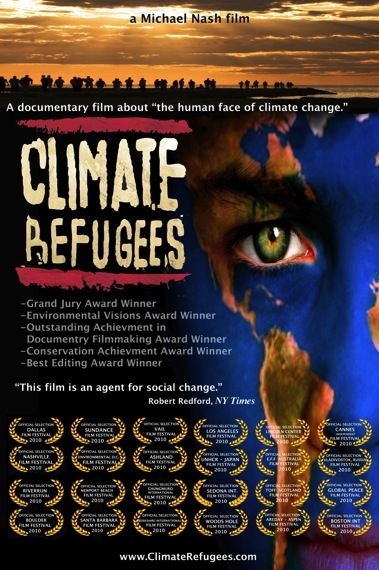
This trailer is from the documentary Climate Refugees. A film that illuminates for the first time the human face of climate change and the national security issues of our changing climate./Sun Come Up is a lyrical documentary following the relocation of some of the world’s first climate change refugees, the Carteret Islanders.
On November 25, 2003, the Papua New Guinean government authorized the government-funded total evacuation of the islands, 10 families at a time; the evacuation was expected to be completed by 2007, but access to funding caused numerous delays.In October 2007 it was announced that the Papua New Guinea government would provide two million kina (USD $736,000) to begin the relocation, to be organized by Tulele Peisa of Buka, Bougainville. Five men from the island moved to Bougainville in early 2009 to build houses and plant crops. It is planned to bring another 1700 people over the next five years. CNN has reported that the Carteret islanders will be the first island community in the world to undergo an organized relocation, in response to rising sea levels. The people of the Carteret are being called the world’s first environmental refugees. Read More: > Here <
Sun Come Up; www.suncomeup.com an Intimate Look at the World’s First Climate Refugees. The Carteret islanders are moving. Virtually all of them. They are being forced to relocate their entire society, and give up much of what makes them unique as a people. Not because of war, famine or disease, but because of climate change.
The Carteret islanders did not choose to be poster children in the worldwide debate over global warming, yet they are among the first climate refugees in a trend that could affect as many as 250 million by mid-century, according to the UN. This is perhaps surprising for a culture that doesn’t really have a cash economy, roads or an airstrip. They rarely use electricity, live in huts with sand floors and survive primarily on seafood they harvest themselves and vegetables they grow in gardens. Their home is a small line of atolls in the Pacific, off the northeast coast of Papua New Guinea.
Yet the plight of the 3,000 or so Carterets is slowly gaining international attention, thanks in part to documentary filmmakers Jennifer Redfearn and Tim Metzger, who are in the process of making a feature film about these people called Sun Come Up. A shorter version of the film-in-progress, entitled The Next Wave, recently won the Jury Prize at the Media That Matters film festival in New York City. From the looks of the short film, and the feature trailer, the story seems to be beautifully, and powerfully, told. The story of the Carterets is at once heartbreaking and heartwarming, and perhaps prescient of things to come.
Hindol Deb – Swar Ganga Music Foundation
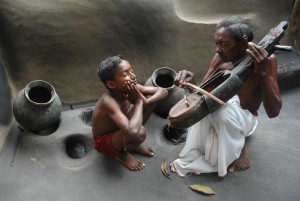
http://www.myspace.com/hindoldeb
The origins of Indian classical music can be found in the oldest of scriptures, part of the Hindu tradition, the Vedas. It has also been significantly influenced by Indian folk music, and Hindustani music has been influenced by Persian music. The Samaveda, one of the four Vedas, describes music at length. The Samaveda was created out of Rigveda so that its hymns could be sung as Samagana; this style evolved into jatis and eventually into ragas. Indian classical music has its origins as a meditation tool for attaining self realization. Bharat’s Natyashastra was the first treatise laying down fundamental principles of dance, music and drama. Read More: > HERE <
One of the upcoming sitar player and composer of his generation, Hindol started learning the Sitar at the age of five from his father, Sri. Panchanan Sardar. Later, he was groomed under the guidance of Pt. Deepak Choudhury, a senior disciple of Pt. Ravi Shankar. He graduated from the Prayag Sangeet Samiti under Allahabad University with a gold medal and is a recipient of the Sahitya Kala Parishad scholarship and the National Scholarship for Hindustani Classical Music in Sitar.
Hindol has been pursuing his dream intensely and is on his way to establish himself as a talented, upcoming young musician, giving several performances at many festivals in India and abroad. He has composed and played his music for various plays and ballets.
One striking quality about Hindol is the sense of maturity in his performance, which is unique at his age. With the deep resonating tone of his instrument, each note makes its presence felt and nothing fades away in ambiguity. His aesthetical understanding is rooted deep in spirituality. Simultaneously, he has also accomplished himself as a composer, exploring the infinite combinations in the crossover of Indian music with various other genres like Western Classical, Jazz, Blues, Electronica, Flamenco and folk music.
Recently, he was invited by the French government, with a residency scholarship, to work with other musicians and experiment with different genres like Jazz, Blues and electronic music, along with Indian classical music and performances. He was also invited by the Swedish government as the representative of India, with the musicians from fourteen different countries, to teach and play each other’s music and to perform at the ETHNO festival in Sweden. He has also toured Belgium and Greece to take part in many concert festivals.
Apart from being a performer, he is also a dedicated teacher and conducts workshops of Hindustani music, improvisation techniques and Indian Classical music appreciation in India and abroad.
Shri. Hindol Deb Plays Raag Hemant on the Day 1 of SwarGanga Music Festival 2008. The festival spanned for two days 20th and 21st December 2008. For more information visit www.swarganga.org.
SwarGanga Music Foundation, Atlanta, GA and SwarGanga Trust, Thane, India are non-profit organizations started by Adwait Joshi to promote young and upcoming artists in the field of North Indian Classical Music and spread the knowledge of North Indian Classical Music to people all over the world. SwarGanga currently has over 2 million hits from 147 different countries every year. Thanks to you all for making this site so popular.here.events page or to see any classical music events upcoming in your area please visit the event calendar.
To learn about different concepts of classical music such as sur, patti, taal, raags, please go through the series of articles starting . For a list of events organized by SwarGanga please visit www.swarganga.org . Your feedback helps us improve the website. So please respond by sending us an email .
The Energy [R]evolution demonstrates how the world can get from where we are now, to where we need to be in terms of phasing out fossil fuels, cutting CO2 while ensuring energy security. This includes illustrating how the world’s carbon emissions from the energy and transport sectors alone can peak by 2015 and be cut by over 80 percent by 2050. This phase-out of fossil fuels offers substantial other benefits such as independence from world market fossil fuel prices as well as the creation of millions of new green jobs. http://www.greenpeace.org/energyrevolution
2010 Vienna – World Peace Choral Festival
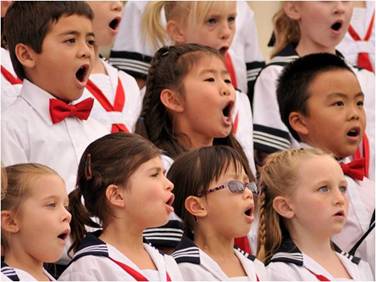
A choir, chorale, or chorus is a musical ensemble of singers. Choral music, in turn, is the music written specifically for such an ensemble to perform. A body of singers who perform together is called a choir or chorus. The former term is very often applied to groups affiliated with a church (whether or not they actually occupy the choir) and the second to groups that perform in theatres or concert halls, but this distinction is far from rigid. The term „Choir“ has the secondary definition of a subset of an ensemble; thus one speaks of the „woodwind choir“ of an orchestra, or different „choirs“ of voices and/or instruments in a polychoral composition. In typical 18th to 21st century oratorios and masses, chorus or choir is usually understood to imply more than one singer per part, in contrast to the quartet of soloists also featured in these works.
In Worship Services – Eastern Orthodox churches, some American Protestant groups, and some synagogues do not use instruments. In churches of the Western Rite the accompanying instrument is usually the organ, although in colonial America, the Moravian Church used groups of strings and winds. Many churches which use a contemporary worship format use a small amplified band to accompany the singing, and Roman Catholic Churches may use, at their discretion, additional orchestral accompaniment. Liturgical Function – In addition to leading of singing in which the congregation participates, such as hymns and service music, some church choirs still sing full liturgies, including propers (introit, gradual, communion antiphons appropriate for the different times of the liturgical year). Chief among these are the Anglican and Roman Catholic churches; far more common however is the performance of anthems or motets at designated times in the service. Read More: > HERE <
Music helps create better understanding between different cultures and countries. The „2010 Vienna – World Peace Choral Festival“ will be held in Vienna in August 2010 to provide a platform for youth and children’s choirs to perform and to enhance the understanding and friendship between young people.
The opening ceremony will take place in the Festival hall of University of Vienna on the 3rd Aug.2010. The closing ceremony will be hold in the famous music hall – the Concert Hall of Vienna, on the 6th of August 2010.
A series of events and activities will take place from the 3rd to the 6th of August 2010, e.g. concerts and celebration in the UN Headquarters in Vienna, in the Parliament Hall of City Vienna, in local concert halls and churches in and around Vienna.
The festival’s artistic activities will take place under the leadership of Mr. Gerald Wirth who is also the artistic director of the Vienna Boys Choir. Different workshops will be organized to help to reveal the talent of the children and young singers.
During the festival the children’s „World Peace Choir“ will be assorted from all choir singers by the festival’s artistic committee. The „World Peace Choir“ will tour different countries in the coming years (e.g. it is planned to tour China in spring 2011). Coming together to sing, Singing for a better future!
World Vision 2010 International Children’s Choir Festival / Vienna Boys Choir – Tallahassee FL USA. 2010 Vienna – World Peace Choral Festival, Coming together to sing, Singing for a better future. August 3-6, 2010, Vienna, Austria. TICKETS: http://konzerthaus.at
Program 5th of August, Concert at UN Headquarter& Vienna City Hall The day will start at UN Headquarter with a photo shooting. The participants of the World Peace Choral Festival will have the chance to take photos at this place of international understanding. After this the “young singing diplomats” will have their first big concert of the day at the UN Plaza. All the Choirs will perform their songs.
Following this, the participants will have a short foot walk to Vienna Danube Island, where they will have a picnic. Following a hearty picnic the choirs will tour to Vienna City Hall. After the reception at Vienna City Hall the second big concert of the day will begin. The choirs will get the chance to perform on stage of the Vienna City Hall summer stage.
This year, the activities of the World Peace Choral Festival will go further and are reaching out for new dimensions. The 2010 Vienna- World Peace Choral Festival invites all chorus ensembles across the world, especially children and youth chorus ensembles, to participate.
Competition is not the ultimate purpose of this festival- prior aim is to increase understanding between cultures, promote chorus art, and foster friendship between the people when spending time singing and celebrations together.
Lets get together friends, let’s sing for a better world!
The Best Friend -Worldpeacefestival 2010
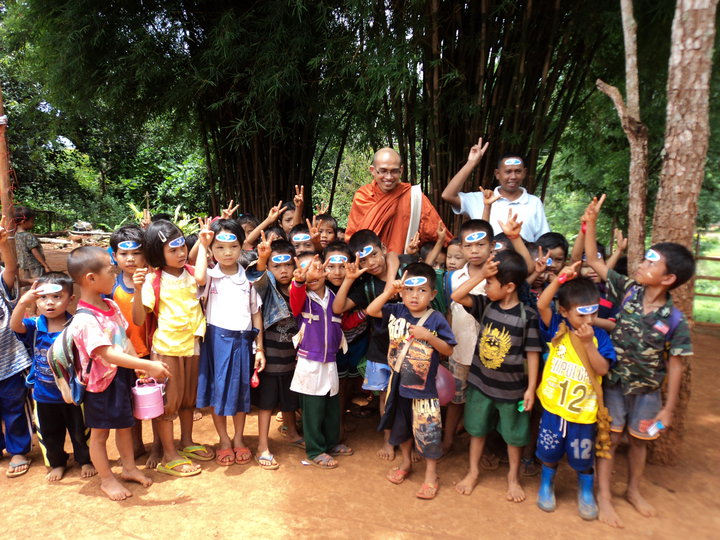
Buddhism in Myanmar (also known as Burma) is predominantly of the Theravada tradition, practised by 89% of the country’s populationIt is the most religious Buddhist country in terms of proportion of monks in the population and proportion of income spent on religion. Adherents are most likely found among the dominant ethnic Bamar (or Burmans), Shan, Rakhine (Arakanese), Mon, Karen, and Chinese who are well integrated into Burmese society. Monks, collectively known as the Sangha, are venerated members of Burmese society. Amongst certain ethnic Bamar communities, Theravada Buddhism is practiced in conjunction with nat worship, although this practice is dying out. Read More: > HERE <
Burma, officially the Union of Myanmar, is the largest country by geographical area in Indochina (mainland Southeast Asia). The country is bordered by People’s Republic of China on the north-east, Laos on the east, Thailand on the south-east, Bangladesh on the west, India on the north-west and the Bay of Bengal to the south-west with the Andaman Sea defining its southern periphery. One-third of Burma’s total perimeter, 1,930 kilometers (1,199 mi), forms an uninterrupted coastline. The country’s culture, heavily influenced by neighbors, is based on Theravada Buddhism intertwined with local elements. Burma’s diverse population has played a major role in defining its politics, history and demographics in modern times, and the country continues to struggle to mend its ethnic tensions. The military has dominated government since General Ne Win led a coup in 1962 that toppled the civilian government of U Nu. Burma remains under the tight control of the military-led State Peace and Development Council. Read More: > HERE <
The Best Friend was founded in 1999 as The Best Friend Group of Literature, by two concerned monks with the purpose of encouraging people to become more educated, aware and active in the struggle for peace and freedom in Burma. The main belief is that education can open up people’s ears and eyes and is THE way to eradicate poverty.
At one point, The Best Friend operated fifteen libraries inside Burma. The libraries provided both monks and laypersons access to uncensored information and literature. Apart from that, they were meeting places where people could discuss freely. The Best Friend also teaches languages, such as English, French, Japanese and Burmese.
The Burmese military regime has been closely monitoring and controlling the activities of politically active people, especially since the 2007 Saffron Revolution. Many of the members and volunteers of The Best Friend were forced to leave Burma to avoid persecution. Several people, also monks, were arrested and are currently imprisoned. Simply for the crime of providing information and discussing about politics and freedom.
6. – 9. August 2010
Friedensfestival 2010 Berlin
The Best Friend will take part in the Peace Festival 2010 in Berlin.
Where: Alexanderplatz, Berlin Germany
Today, only three of the fifteen libraries are still in operation. King Zero and Ashin Sopaka, the founders of The Best Friend, moved to the Thai border town Mae Sot and opened the first Best Friend Library in Thailand in 2008.
Apart from Thailand, The Best Friend has spread to many other countries in the world. It is now legally run by Kölner Buddhismus Center e.V. in Germany and is active raising awareness about the situation in Burma and giving information to people who wish to support the organization. From its new base in Thailand, The Best Friend is developing projects supporting the many Burmese refugees in the area. In 2010, the Mobile Health Care Program was launched and the Relocation Project – to help illegal refugee families , move away from the Mae Sot rubbish dump – was set up. The Best Friend also offers many classes, such as English language classes, computer and sewing courses, Dhamma teachings and children’s classes. All teachers work voluntarily and all classes are free of charge.
Paramahansa´s Worldconvocation 2010

http://bookstore.yogananda-srf.org/
“It isn’t academic education alone that makes people happy. It is „how-to-live“ education — how to develop a harmonious, moral life, stronger will power, and spiritual understanding — that will bring happiness.” — Paramahansa Yogananda
Paramahansa Yogananda (Bengali: পরম Pôromohôngsho Joganondo, Sanskrit: परमहंस योगानंद Paramahaṃsa YogÄ�naṃda; January 5, 1893–March 7, 1952), born Mukunda Lal Ghosh (Bengali: মুকMukundo Lal Ghosh), was an Indian yogi and guru who introduced many westerners to the teachings of meditation and Kriya Yoga through his book, Autobiography of a Yogi. Yogananda was born in Gorakhpur, Uttar Pradesh, India to a devout Bengali kshatriya family. According to his younger brother, Sananda, from his earliest years young Mukunda’s awareness and experience of the spiritual was far beyond the ordinary. In his youth he sought out many of India’s Hindu sages and saints, hoping to find an illuminated teacher to guide him in his spiritual quest. Read more: > HERE <
Thousands of SRF members and friends from around the world participated in our annual World Convocation. SRF monks and nuns joined them to lead group meditations, kirtans, classes on the SRF techniques of meditation, and inspirational talks on the teachings of Paramahansa Yogananda.
Paramahansa Yogananda in New York / On February 2, 2002, Roy Eugene Davis, founder and spiritual director of the Center for Spiritual Awareness, visited Paramahansa Hariharananda, a brother disciple of Paramahansa Yogananda, at his ashram in south Florida. Mr. Davis was asked to speak to the ashram residents about some of his experiences as a disciple of Paramahansa Yogananda.
Programs for Youth – Paramahansa Yogananda felt deeply for the welfare of children and took a lifelong interest in their all-around education. Carrying on in this tradition, Self-Realization Fellowship continues to offer programs that teach young people how to live a balanced life of meditation and right activity.
SRF Sunday Schools, teen programs, and summer youth programs provide children with a solid spiritual and ethical foundation on which to build throughout life. Emphasis is given to the practice of the science of meditation taught by Paramahansa Yogananda for personal experience of God. Children are shown how to develop moral character and the noble qualities exemplified in the Bible and the Bhagavad Gita, such as faith in God, respect, kindness, consideration for others, courage, and evenmindedness.
These qualities then act as spiritual building blocks for the right development of a child’s character and help to establish positive habits such as self-discipline, service to others, truthfulness, and the use of common sense — as countless participants over the decades have attested. Read more: > HERE <
Acacia Senegal – Sudan’s Miracle Commodity
UNHCR – The UN Refugee Agency
http://notonourwatchproject.org/
http://www.fao.org/acacia senegal
Darfur (Arabic: دار فور dÄ�r fūr, lit. „realm of the Fur„) is a region in Sudan. An independent sultanate for several hundred years, it was incorporated into Sudan by Anglo-Egyptian forces. The region is divided into three federal states: West Darfur, South Darfur, and North Darfur which are coordinated by a Transitional Darfur Regional Authority. Because of the War in Darfur waged by the Sudanese government against the non-Arab indigenous population, the region has been in state of humanitarian emergency since 2003. Read more: > HERE <
CASH CROP – The term is used to differentiate from subsistence crops, which are those fed to the producer’s own livestock or grown as food for the producer’s family. In earlier times cash crops were usually only a small (but vital) part of a farm’s total yield, while today, especially in the developed countries, almost all crops are mainly grown for cash. In non-developed nations, cash crops are usually crops which attract demand in more developed nations, and hence have some export value. In many tropical and subtropical areas, jute, coffee, cocoa, sugar cane, bananas, oranges and cotton are common cash crops. In cooler areas, grain crops, oil-yielding crops and some vegetables and herbs are predominate; an example of this is the United States, where cannabis, corn, wheat, soybean are the predominant cash crops. Read more: > HERE <
Not since baking soda has there been a natural commodity that has so many different uses. In the days of the Egyptian Pharaohs, gum arabic was essential to mummification, and since Biblical times, it has been used to maintain the integrity of paints.It can also soothe a worried belly, diarrhea, and constipation, and it’s a key ingredient in soft drinks.
Gum arabic is sap from the branches of Acacia Senegal trees. It’s a natural emulsifier, which means that it can keep together substances which normally would not mix well. Pharmaceutical companies use it to keep medicines from separating into their different ingredients, and a dab of gum arabic makes newspaper ink more cohesive and permanent.
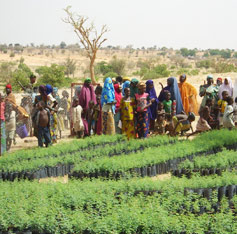
Sudan’s Miracle Commodity – The Acacia Senegal tree grows all over Africa and even on the Indian subcontinent. Most of the world’s gum arabic, however, comes from Sudan, where a thick belt of Acacia Senegal trees stretches from one end of Sudan to the other. Hassan Osman Abdel Nour is the general manager of Sudan’s largest exporter of gum arabic, the Gum Arabic Company.
„The botanist who identified Acacia Senegal first saw it in Senegal, but it turned out to be Acacia Senegal is more common in Sudan than anywhere in the belt. . . It’s an endowment from God. We did nothing about it,“ Nour says.
But extracting gum arabic from thorn-covered Acacia Senegal trees is not easy. When the amber-colored gum begins bubbling up, farm workers handpick chunks from the trees and sometimes get scratched in the process.
Still, Sudan reportedly exports tens of thousands of tons of raw gum arabic ( 60 – 70 % of the World Market) each year, feeding the high global demand. The raw sap is sent to Europe for processing and afterward is disseminated to customers worldwide.
An Industry in Decline – These days, however, business is down. Sudan’s output has dropped to nearly half of what the nation produced in its heyday. As the once abundant belt of Acacia Senegal trees across Sudan shrinks, climate change appears to be one of the culprits. Farmer Adil Basheer remembers better harvests. „In the 1990s—’e’re talking about hectares—one hectare was equivalent to seven and eight bags every two weeks. But nowadays, a hectare cannot bring a half bag or two and a half b“gs.“
The humanitarian crisis in Darfur, where more than 200,000 people have died and more than two million have been displaced, is also having a negative impact on the global gum arabic industry.
The Bush administration calls the conflict „government-sponsored genocide,“ and around the world, the Darfur crisis appears to have sullied Sudan’s reputation to that point that many companies do not want to admit that they buy a Sudanese commodity.
Coca-Cola, which uses gum arabic to keep the sugar from precipitating to the bottom of its sodas, won’t say where it gets the emulsifier. However, company representatives insist they do not buy directly from Sudan. Gum Arabic Company board president Mansour Khalid says otherwise. „They buy processed gum and the processed gum comes from Europe, and Europe buys from Sudan. And you know, the whole thing is silly.“ Staying Afloat – Some Sudanese businessmen believe that widening gum arabic’s appeal internationally is the way forward. Isam Siddiq runs the privately-owned Dar Savannah Gum Arabic processing company. He says manufacturers around the world are trying to create manmade emulsifiers as powerful as gum arabic. Siddiq wants to maintain Sudan’s competitive edge by altering the high-fiber, nonfat emulsifier’s identity from an additive to a food, and he’s ready with his sales pitch:
„America is aware of good health and good food. The American people. And they want it—fiber…The people of the world must really complement each other. We have here fiber, and they have their wheat in America. So Sudan and American could be a good partnership for the benefit of the two nation“. > Related NPR Stories <

http://en.wikipedia.org/wiki/George_clooney Not On Our Watch: Official site for charity founded by George Clooney, Brad Pitt, Matt Damon, Don Cheadle, Jerry Weintraub, David Pressman
ECONOMY – In the last ten years, the Sudanese economy has undergone a drastic change. Instead of been an agriculture-based economy it has turned into an OIL DEPENDEND ECONOMY which in turn has marginalized agriculture. At a time when the world is suffering a food crisis, which is especially afflicting Africa, food production should offer the main productive future for the Sudanese economy.
During the last year, oil revenues represented more than 65% of the Government of National Unity income and more the 90% of the revenue for the Government of South Sudan. In the last four months, oil prices have dropped by around 70%. This is a huge blow. Meanwhile, others sectors of the economy have been weakened by a combination of poor policies followed by the regime in the in the 1990s, and the failure to adapt the non-oil sectors to the impact of the growth in petroleum production. Most of the agricultural sector has been neglected and the economy is now driven by the trading sector and the informal sector, which do not contribute in a major way to creating jobs or generating income in the shape of direct or indirect taxes.
The Sudanese people are still waiting for the peace dividends in shape of economic development which will help in alleviating poverty and raising the standard of living to the majority. At the time when market economy has been tested to the limit in western countries and governments are now nationalizing banks and taking control of key economic sectors, the opposite is happening in Sudan. Instead we have a market dominated by a number of monopolies in most economic sectors, controlled by private individuals who are well-connected to the government. It is not the state that regulates the country’s leading businessmen but a cosy partnership between the two. Read More: > HERE <
The issues of the Darfur war are economical. One of them is due to rice a produce. Farmers fear the construction of dams which are made possible by the strength of the River Nile Waters.
There are places in the world that you can hardly forget like Uganda. This last country is in East Africa and has no opening on the Ocean. So, this makes it a landlocked country that needs to negociate with other countries like Kenya, Tanzania, Somalia and Eritrea to import goods by boat and there is the river Nile on which boats can sail from Cairo. Uganda is a very known country these days because of the conflit in Sudan.
This conflit is known as the Darfur war. Sudan is in the south of Egypte and that is where most of the rice plantation are. Probably thank to the river Nile rice is available in large quantities and it constitutes the major dish of the inhabitants in West Africa. The problem with rice is that it needs to be eaten reasonable other wise you gain weight which is difficult to loose especially if you don’t do a lot of activities.
Rice is a major issue. That is all the question of construction of dams which have said to be destructive for plantation. Rice is sometimes transformed into an alchoolic beverage called sake and it is a produce from Japan. So, one may think that it is important to regulate to make sure that nobody get drunk and is treated in case of fetal alchool syndrom. Actually, the population growth in Japan slowed down in the nineties. Rice grows in water and in the mountains. The well known varieties of rice are from the United States of America and France. Rice is grown in the South of the United States of America in the states of North Carolina and South Carolina. France grows rice on its south west border with Spain a place called Camargue where horses run freely.
Thus, the war in the Darfur is an economical and social problem. Rice is a cereal and can accompany many meals.
If the war continues in the Darfur there will be a food security issue. There is a need to control the cereal markets because they can often be stocked for a long time without preservatives and then some other ingredients can be neglected. This is a tragedy that happened everywhere in the world where populations thought that cereals when in large amount are able to cover all the food intake. It is good to know that there is some for eating and that all is not wasted in alchoolic beverages that can put society in danger because of risk of accidents for example and of wars. Read more in > International Business and Trade <
www.un.org/esa/socdev/unpfii/ The UN Permanent Forum on Indigenous Issues is an advisory body to the Economic and Social Council, with a mandate to discuss indigenous issues related to economic and social development, culture, the environment, education, health and human rights.
www.ethicalconsumer.org – Ethical consumption stresses the role of the consumer in preventing the exploitation of women and children in sweatshop factories overseas and in the U.S. It also considers the environmental costs of production. These costs include the depletion of natural resources, as well as human costs. For example, when a corporation like Unilever, producer of Dove and Lever soaps, Vaseline Intensive Care lotion, Finesse shanpoo, Surf detergent, and Mentadent toothpaste, employs women in the jungle areas of Bihar, India to collect seeds from the sal tree for use in lipstick, the women are deprived of control over what was formerly a resource for their own use.
Consumption in North America today will eventually destroy the environment and is in general hazardous to human health. According to the 1998 United Nations Development Report, 20% of the world’s population consumes 86% of the world’s resources, while the poorest 20% consume only 1.3%. „Not everyone has been invited to the party,“ said U.N. administrator James Gustave. „Expectations have gone global but affluence has not.“
Obviously, consuming less on a personal level in the United States does not directly ensure that people in other parts of the world will immediately be able to meet their basic needs. Changing social patterns of consumption, however, will eventually make a difference. Once individuals begin to understand how their purchases are connected within a global framework, they can demand new, sustainable methods of production. Living with fewer „things“ and assuring that all resources, including labor, are used wisely and fairly will help create a more equitable and ecological world.
By consuming consciously and ethically we can realistically create change. Being aware of current issues in labor exploitation, environmental conservation, and human rights is the best way to spend ethically. Before buying anything ask: Who makes it? Who needs it? and Who profits from it? > Here are some links to informational sites <
- www.radioafrika.net
- www.compassionineconomics.org
- CLIMATE REFUGEE´s http://en.wikipedia.org/wiki/Environmental_migrant
- GUM ACACIA MARKET REPORT: www.agrigum.com
- NY Times Mail Archive: A Tree that supports Sudan´s War by business leaders <
- GOMME SIRUP („junk sweets“) www.amountainofcrushedice.com <
- www.newcrops.uq.edu.au/listing/species_pages_A/Acacia_senegal.htm <
- UN www.fao.org/acacia senegal
- Meet Mind & Life, Compassion in Economics, studies, friends, at fb <
- Meet Human Rights Watch, friends, fans at fb <
- Meet Natural News (independent health news) studies, friends at fb <
- Meet Survival International, friends, fans at fb <
- Meet NO MORE OIL RIGS we want ALTERNATIVE ENERGY SOURCES NOW at fb <
- Meet FAIR TRADE, friends, fans at fb < & www.ethicalconsumer.org
- Meet Peace, Paix, 和平, Salam, Shalom, Pace, Mir, Friede, Paz, Shanti, Heiwa <
Upaya Zen Center – Joan Halifax Roshi
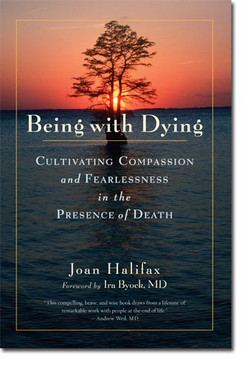
Roshi’s new book, Being with Dying
Joan Jiko Halifax (born 1942) is a Zen Buddhist roshi, anthropologist, ecologist, civil rights activist, hospice caregiver, and the author of several books on Buddhism and spirituality. She currently serves as abbot and guiding teacher of Upaya Zen Center in Santa Fe, New Mexico, a Zen Peacemaker community which she founded in 1990. Halifax-roshi has received Dharma transmission from both Bernard Glassman and Thich Nhat Hanh, and previously studied under the Korean master Seung Sahn. She is founder of the Ojai Foundation in California, which she led from 1979 to 1989. As a socially engaged Buddhist, Halifax has done extensive work with the dying through her Project on Being with Dying (which she founded). She is on the board of directors of the Mind and Life Institute, a non-profit organization dedicated in exploring the relationship of science and Buddhism. Read More: > HERE <
Zen is a school of MahÄ�yÄ�na Buddhism. The Japanese word Zen is derived from the Chinese word Chán, which in turn is derived from the Sanskrit word dhyÄ�na, which means „meditation“ or „meditative state.“ Zen emphasizes experiential prajñÄ� in the attainment of enlightenment. As such, it de-emphasizes theoretical knowledge in favor of direct realization through meditation and dharma practice. The teachings of Zen include various sources of MahÄ�yÄ�na thought, including the PrajñÄ�pÄ�ramitÄ� literature and the teachings of the YogÄ�cÄ�ra and TathÄ�gatagarbha schools. The emergence of Zen as a distinct school of Buddhism was first documented in China in the 7th century CE. From China, Zen spread south to Vietnam, and east to Korea and Japan. As a matter of tradition, the establishment of Zen is credited to the South Indian prince-turned-monk Bodhidharma, who came to China to teach a „special transmission outside scriptures, not founded on words or letters“. Read More: > HERE <
Meditation, Zen Buddhist Retreats, Chaplaincy Training and End-of-Life Care – Upaya Zen Center is a residential Buddhist community located in beautiful Santa Fe, NM. As a Zen center, we offer daily meditation which is open to the public, a weekly public Dharma talk which often highlights Buddhist teachings, a residential Path of Service and work exchange program, and weekly retreats and workshops focusing on practices related to engaged Buddhism, how to live in our world responsibly, with affection, kindness and wisdom. For your convenience, here is a downloadable document representing a synopsis of Learning and Buddhist Practice at Upaya.
Upaya Zen Center also offers a two-year Certificated Buddhist Chaplaincy Training Program in the areas of Prison, End of Life Care, Peacemaking, Women’s, Youth and Environmental Ministries and a Professional Training Program in Contemplative End of Life Care.
Upaya Zen Center is a Zen Buddhist practice, service, and training center. Our vision focuses on the integration of practice and social action, bringing together wisdom and compassion.
Our mission is to provide a context for community practice, education in Buddhism and social service in the areas of death and dying, prison work, the environment, women’s rights, and peacework. It endeavors to fulfill the vision of the Five Buddha Family Mandala, by understanding the integration of all of its functions.
The Five Buddha Family Mandala is based on the Five Meditation Buddhas of traditional Buddhism from India. It is a vision of Buddhism that is integrated, interconnected, and process oriented and is based on the integration of our spirituality, education, livelihood, service, and community into a whole cloth.
Joan Halifax Roshi is a Buddhist teacher, Zen priest, anthropologist, and author. She is Founder, Abbot, and Head Teacher of Upaya Zen Center, a Buddhist monastery in Santa Fe, New Mexico.
She has worked in the area of death and dying for over thirty years and is Director of the Project on Being with Dying. For the past twenty-five years, she has been active in environmental work.
A Founding Teacher of the Zen Peacemaker Order, her work and practice for more than three decades has focused on engaged Buddhism. Of recent, Roshi Joan Halifax is a distinguished invited scholar to the Library of Congress and the only woman and buddhist to be on the Advisory Council for the Tony Blair Foundation.
She is Founder and Director of the Upaya Prison Pro ject that develops programs on meditation for prisoners. She is founder of the Ojai Foundation, was an Honorary Research Fellow at Harvard University, and has taught in many universities, monasteries, and medical centers around the world.
She studied for a decade with Zen Teacher Seung Sahn and was a teacher in the Kwan Um Zen School. She received the Lamp Transmission from Thich Nhat Hanh, and was given Inka by Roshi Bernie Glassman. A Founding Teacher of the Zen Peacemaker Order, her work and practice for more than three decades has focused on engaged Buddhism.
Nako Research and Preservation Project

http://athene.geo.univie.ac.at/project/nako
Kinnaur is one of twelve administrative districts of Himachal Pradesh, India. The district is itself divided into three administrative areas – Pooh, Kalpa, and Nichar – and has five Tehsils or counties. The administrative headquarter for Kinnaur district is at Reckong Peo. Due to the network of motorable roads all the essential facilities are available. According to ancient Hindu texts Kinners are halfway between humans and gods. From here Sangla valley, and district headquarters Recong Peo, Kalpa, Kinnaur Kailash, considered to be the abode of Lord Shiva, can be viewed. Read More: > HERE <
While the 10th and 13th centuries, the Western Himalayan region developed a refined and complex artistic culture under Western Tibetan Buddhist patronage. Some of this tradition’s most striking examples are found in the seven temples of Nako village, Upper Kinnaur, in the province of Himachal Pradesh, India. These temples are not only witness to the long history of this region, but also lie at the heart of the communitity’s religious life, in which even today a Tibetan form of Buddhism flourishes.
These temples are now endangered due to the structural fragility of their architecture, and by the infiltration of rain and melt water. For these reasons amongst others, a major preservation program was necessary, which primarily involved large scale stabilization work, as well as cleaning and conservation of the unique wall- and ceiling paintings. Due to the large scope of the project, for the time being this work has been accomplished exclusively for the Lhakhang Gongma (Upper Temple), while work has now also begun on the Lotsawa Lhakhang (Translator’s Temple).
Some of the major objectives of the NRPP have been (a) providing technical expertise and modern technology to the Nako community, (b) examining and analysing indigenous building techniques and traditional artistic handicrafts, which have contributed to the continued existence of these exquisite monuments, and (c) merging these activities with the ongoing preservation work, while taking into account local economic and technological resources. Therefore, the NRPP is to be considered a model for the future conservation and preservation of this region’s rich cultural heritage. The villagers of Nako have greatly supported and contributed to the efforts and aims of the NRPP, and the ongoing process of consultation between the NRPP, the Buddhist Association and the Nako Village Council remains central to the preservation work.
In order to establish the proper methods and priorities of the preservation process, information needs to be gathered and brought together from technical, social, economical, as well as from historical sources and, in the case of Nako, this information is neither readily available nor easily accessible. Therefore, the research conducted by the NRPP team in Vienna over the last 15 years includes scholars of art history, Tibetan language, religious history, Buddhist philosophy and cultural anthropology, in addition to architects and painting experts. Each of these disciplines provides a distinct methodology for understanding the fragmentary evidence, and their findings serve as the outset for an in-depth study and research of this region’s cultural heritage and it’s preservation.
-
UNESCO WORLD HERITAGE http://whc.unesco.org
KTD – North American Kagyu Monlam 2010
Karma Triyana Dharmachakra is a Tibetan Buddhist monastery in Woodstock, NY, USA, which serves as the North American seat of His Holiness the 17th Gyalwa Karmapa, head of the Karma Kagyu lineage. It was founded in 1976 by the 16th Gyalwa Karmapa. The present abbot is Khenpo Karthar Rinpoche. Read More: > HERE <
The monastery was built through the blessings and inspiration of His Holiness the 16th Gwalya Karmapa, the Head of the Kagyu lineage of Tibetan Buddhism. His Holiness‘ vision came in response to the sincere supplication of students in the West who yearned for an authentic Tibetan Buddhist monastery for the study and practice of the Buddha’s teachings.
This summer, hundreds of monks and lay people will gather at Karma Triyana Dharmachakra (KTD) on Overlook Mountain above the artist village of Woodstock, N.Y., to participate in the North American Kagyu Monlam, a five day festival of prayers for world peace. This historic event, an extension of the annual Kagyu Monlam Chenmo in Bodhgaya, India, will be the first of an annual tradition to be held at sacred places across the U.S. and Canada.
Tuesday, July 13 – 17, 2010 at 8:30am
Karma Triyana Dharmachakra (KTD)
335 Meads Mountain Road, Woodstock, NY
“Kagyu Monlam is an avenue whereby we can spread, at times of great need, the genuine spirit of love and compassion to all the people of the world, like a great ripple, first in Bodhgaya, then in Bihar, and so on. As we continuously offer these prayers for world peace, it is our intention and our wish that peace and happiness extend to all.” — His Holiness the 17th Gyalwang Karmapa.
Your prayers and aspirations will help spread the spirit of compassion and love, supporting the mission of His Holiness and other great masters. Highlights of the event include daily teachings by the Very Ven. Thrangu Rinpoche and an Akshobhya Empowerment. The complete daily schedule of events, personally composed by His Holiness the Karmapa, can be viewed at https://www.kagyu.org/monlam/schedule.php
Karma Triyana Dharmachakra, July 13-17 2010
The many recreational opportunities of the Catskill Mountains make this an ideal location to bring the family. Whether you come for one day or for the entire program, your participation will support His Holiness’s efforts to promote world peace and harmony.
-
Co-sponsored by:
Kagyu Thubten Choling: http://www.kagyu.com/
Kagyu Thegsum Choling: http://www.ktcnj.org/
Chinese language website: http://www.2010usmonlam.com/ -
LIVE STREAMING:
If you have any questions, please feel free to email monlamregistration@kagyu.org or contact the KTD front office at 845-679-5906 x3. For more information, please visit www.kagyu.org/monlam. We look forward to seeing you at the first North American Kagyu Monlam.
Advaita Vedanta – Vivekananda, Ramakrishna
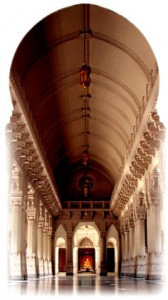
www.ramakrishnavivekananda.info
www.vedantasociety-chicago.org
Dakshineswar Ramkrishna Sangha Adyapeath – In 1915, a young Brahmin named Annada Charan Bhattacharya was setting up a successful practice in Ayurvedic medicine in Calcutta. A capable scientist, he had discovered seven patent medicines and went on to become a renowned doctor all over Bengal.
Sri Ramakrishna Paramahamsa (Bangla: রামকৃষ্ণ পরমহংস Ramkṛiṣṇo Pôromôhongśo) (February 18, 1836 – August 16, 1886), born Gadadhar Chattopadhyay (Bangla: গদাধর চট্টোপাধ্যায় Gôdadhor Chôţţopaddhae), was a famous mystic of 19th-century India. His religious school of thought led to the formation of the Ramakrishna Mission by his chief disciple Swami Vivekananda – both were influential figures in the Bengali Renaissance as well as the Hindu renaissance during the 19th and 20th centuries.Many of his disciples and devotees believe he was an avatar or incarnation of God. Ramakrishna was born in a poor Brahmin Vaishnava family in rural Bengal. He became a priest of the Dakshineswar Kali Temple, dedicated to the goddess Kali, which had the influence of the main strands of Bengali bhakti tradition. Read More: > HERE <
Ramakrishna Math and Ramakrishna Mission are twin organizations which form the core of a worldwide spiritual movement (known as Ramakrishna Movement or Vedanta Movement), which aims at the harmony of religions, harmony of the East and the West, harmony of the ancient and the modern, spiritual fulfillment, all-round development of human faculties, social equality, and peace for all humanity, without any distinctions of creed, caste, race or nationality.
RAMAKRISHNA MATH is a monastic organization for men brought into existence by Sri Ramakrishna (1836-1886), the great 19th century saint of Bengal who is regarded as the Prophet of the Modern Age.
RAMAKRISHNA MISSION is a registered society in which monks of Ramakrishna Math and lay devotees cooperate in conducting various types of social service mainly in India. It was founded by Sri Ramakrishna chief apostle, > SWAMI VIVEKANANDA (vedanta, jnana yoga )< (1863-1902), one of the foremost thinkers and religious leaders of the present age, who is regarded as ‚one of the main moulders of the modern world‘, in the words of an eminent Western scholar A. L. Basham.
The ideology of Ramakrishna Math and Mission consists of the eternal principles of Vedanta as lived and experienced by Sri Ramakrishna and expounded by Swami Vivekananda. This ideology has three characteristics: it is modern in the sense that the ancient principles of Vedanta have been expressed in the modern idiom; it is universal, that is, it is meant for the whole humanity; it is practical in the sense that its principles can be applied in day-to-day life to solve the problems of life.
The motto of Ramakrishna Math and Ramakrishna Mission is: Atmano mokshartham jagad hitaya cha, „For one’s own salvation, and for the welfare of the world“. The main goals and objectives of these twin organizations, based on the principles of Practical Vedanta, are:
- To spread the idea of the potential divinity of every being and how to manifest it through every action and thought.
- To spread the idea of harmony of religions based on Sri Ramakrishna’s experience that all religions lead to the realization of the same Reality known by different names in different religions. The Mission honours and reveres the founders of all world religions such as Buddha, Christ and Mohammed.
- To treat all work as worship, and service to man as service to God.
- To make all possible attempts to alleviate human suffering by spreading education, rendering medical service, extending help to villagers through rural development centres, etc.
- To work for the all-round welfare of humanity, especially for the uplift of the poor and the downtrodden.
- To develop harmonious personalities by the combined practice of Jnana, Bhakti, Yoga and Karma.
Sarada Devi (Bengali: সারদা দেবী) (1853—1920), born Saradamani Mukhopadhyaya, was the wife and spiritual counterpart of Ramakrishna Paramahamsa, a nineteenth century mystic of Bengal. Sarada Devi is also reverentially addressed as the Holy Mother (Sri Maa) by the followers of the Ramakrishna monastic order. Sarada Devi played an important role in the growth of the Ramakrishna Movement. Read More: > HERE <
Endearingly known as ‘Holy Mother’, Sri Sarada Devi, the spiritual consort of Sri Ramakrishna, was born on 22 December 1853 in a poor Brahmin family in Jayrambati, a village adjoining Kamarpukur in West Bengal. Her father, Ramachandra Mukhopadhyay, was a pious and kind-hearted person, and her mother, Shyama Sundari Devi, was a loving and hard-working woman.
-
COMPLETE WORK OF RAMAKRISHNA AND VIVEKANANDA (free) downloads: www.ramakrishnavivekananda.info
-
Swami Vivekananda´s > SPEECH AT CHICAGO < at the PARLIAMENT OF WORLDRELIGIONS at Chicago in 1893.
- Read Fundamental Concepts of Vedanta here:
„Unity in Diversity“ Child Art Competition
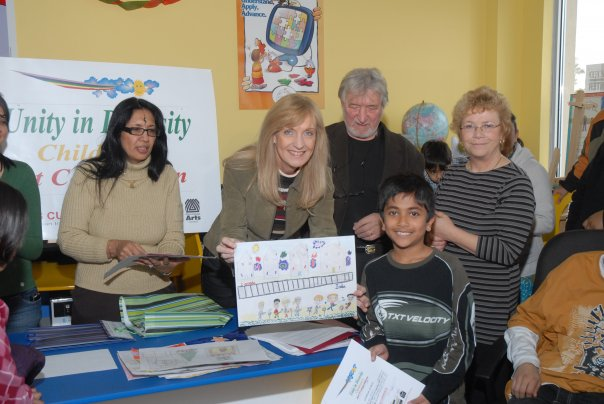
HEARTLAND LEARNA CENTER – UNITY IN DIVERSITY
http://meena-chopra.fineartamerica.com
http://learnaheartland.blogspot.com/
http://meenasartworld.blogspot.com
Let us Celebrate Unity in Diversity with children and spark their creative power. This is the Motto of Unity in Diversity Arts Competition.
UNITY IN DIVERSITY – The events has been created to celebrate the essence of life and that is ‘UNITY IN DIVERSITY Children’s Art Competition‘. Competition. Hopefully we will have this event every year.
All of us have a rainbow of attributes within ourselves and this colourful rainbow unites us in our personalities to create that one shining flame of everlasting sunshine, one spirit that we all seek. That is how we want to see a blossoming Canada under the one sunshine of Unity in Diversity, always celebrating the light and the rainbow at the same time and with the same spirit.
This event has come up with the support of many. Mississauga Arts Council. Art Unit of City of Mississauga has been behind us and encouraged us at every step. Learna Education Inc. as our main sponsor helped us in organising this event. We received a lot of support and congratulatory messages from many including community leaders, our sponsors and volunteers. I extend my thanks to everybody.
About Meena Chopra – A multi faceted person, painter and poet, Meena Chopra now settled in Mississauga, Canada, for 5 years after migrating from New Delhi India, hails from Nainital, a hill resort in India. She has had several art exhibitions in many countries, which includes India, Canada, England. An avid reader of prose and poetry, she writes both in English and her native language Hindi. Her first collection of poems, „Ignited Lines“ was published in 1996 was released in London, England the same year. At the moment she is working on two collections of poems one in Hindi and one is translations from English to Hindi. These are to be released by the end of this year(2009). Her poems have been published in many national and inter-national journals. They have also been translated into German by Carla Kraus, a well known Austrian author.
She represented Canada in New Delhi India in 7th Inter-national Hindi Celebration Meet in December 2008 organized by Akshram in association with ICCR (Indian Council for Cultural Relations). She has also represented India in the SAARC (South Asian Association for Regional Cooperation) Artists Meet, New Delhi in December 2002. She received Honourable Mention at Poetry Writing Contest 2003 held by the Mississauga Library System Canada when she landed in Canada.
Her paintings are with many Corporates, Government Bodies, Embassies, Hotels and Private Collections in India, Canada, Australia, England, Switzerland, Dubai and many other countries
She qualified as a textile and fashion designer and worked in this industry for for six years, then got into advertising.
She has had an intense career in advertising for twenty years and was heading an advertising agency in New Delhi, India. Now she runs an Entertainment & Life Style news weekly called „STARBUZZ“ along with her husband in GTA, Canada and also runs an after school learning centre in Mississauga.
Meena is also passionately involved in community arts and has directed many art events and curated many art exhibitions. Most of these have been done under the aegis of ‚CROSS CURRENTS – Indo Canadian International Arts‘ which has a mission of embracing diverse cultures and origins and bringing them on a common platform through arts there by ‘taking arts beyond boundaries’. The organization has had several successful art events in past. This includes an art exhibition „Confluence“, which was taken to India, “ „Children’s Art Competition, Unity In Diversity“ and „Beyond Boundaries International Arts Festival“.
She is also a qualified art educator (Learning Through the Arts) from The Royal Conservatory School (The RCM) Ontario, which means to implement an arts-infused approaches in developing the potential of every child and adult.
- Meet Meena Chopra – Artist & Poet, friends, fans at fb <
- Meet UNITY DIVERSITY Children’s Art Competition <
- Meet LEARNA HEARTLAND (Mississauga), friends, fans at fb <
- Meet Narender Metha – CHILD ART, friends, fans at fb <
Meena Chopra, President
CROSS CURRENTS Indo Canadian International Arts
(Also Director Learna Education Centre, Heartland, Mississauga)
Email: crosscurrents.ca@gmail.com
UYGHUR – Trad. Medicine, Arts & Culture
www.unpo.org/Uyghuren Nederland (VUN)
http://turkmenfriendship.blogspot.com
The Uyghur (Uyghur: ئۇيغۇر, Uyghur?; simplified Chinese: 维吾尔; traditional Chinese: 維吾爾; pinyin: Wéiwú’Ä›r; are a Turkic ethnic group living in Eastern and Central Asia. Today Uyghurs live primarily in the Xinjiang Uyghur Autonomous Region in the People’s Republic of China. An estimated 80 % of Xinjiang’s Uyghurs live in the southwestern portion of the region, the Tarim Basin. Large diasporic communities of Uyghurs exist in the Central Asian countries of Kazakhstan, Kyrgyzstan, and Uzbekistan. Smaller communities are found in Mongolia, Pakistan, Afghanistan, Turkey, Russia and Taoyuan County of Hunan province in south-central Mainland China. Uyghur neighborhoods can be found in major cities like Beijing, Shanghai, Sydney, Washington D.C, Munich, Tokyo, Toronto, Istanbul. Read More: > HERE <
Erkin Alptekin (born on July 4, 1939 in East Turkistan) is a noted international advocate for the rights of native and indigenous people. Among the organizations he has led are the Unrepresented Nations and Peoples Organization, of which he was formerly the chairman, and the World Uyghur Congress, of which he was the first president. Read More: > HERE <
Erkin Alptekin is one of the foremost human rights advocates for the Uighur people of Eastern Turkestan, also known as the Xinjiang Autonomous Region of the People’s Republic of China. Mr. Alptekin was employed by Radio Free Europe/Radio Liberty from 1971 to 1994. He is one of the founders of the Unrepresented Nations and People’s Organization (UNPO), and currently serves as its General Secretary. www.dalailamafoundation.org
Uyghur Medicine – The Uyghurs had an extensive knowledge of medicine and medical practice. Sung (Song) Dynasty (906-960) sources indicate that an Uyghur physician, Nanto, traveled to China, and brought with him many kinds of medicine not known to the Chinese.
There are 103 different herbs for use in Uyghur medicine recorded in a medical compendium completed by Li Shizen (1518-1593), a chinese medical authority. The Tartar scholar Rashit Rahmeti Arat has written two valuable books in German entitled Zur Heilkunde der Uighuren (Medical Practices of the Uygurs) , in 1930 and 1932, relying on Uyghur documents discovered in East Turkestan. In his book, Arat gives important information on Uyghur medicine and medical treatment.
Among other documents he studied he found a very important sketch of a man with an explanation of acupuncture. Relying on this document, some western scholars claim that acupuncture was not a Chinese, but a Central Asian invention and the Uyghurs perfected the method. Traditional Uyghur medicine, which can be traced back for more than 2,700 years through written records, is still very popular in East Turkestan today.
Tibetan Buddhist Medicine/Ancient Uyghur Civilization
Medicine – Tatar scholar, professor Reşit Rahmeti Arat in Zur Heilkunde der Uighuren (Medical Practices of the Uyghurs) published in 1930 and 1932, in Berlin, discussed Uyghur medicine. Relying on a sketch of a man with an explanation of acupuncture, he and some Western scholars suspect that acupuncture was not a Chinese, but an Uyghur discovery. Today, traditional Uyghur medicine can still be found at street stands. Similar to other traditional medicine, diagnosis is usually made through checking the pulse, symptoms, and disease history, and then the pharmacist pounds up different dried herbs, making personalized medicines according to the prescription. Modern Uyghur medical hospitals adopted the Western medical science and medicine and adopted Western pharmaceutical technology to discover new and produce traditional medicines.
- www.unpo.org , UNESCO – World Heritage
- Articles on Traditional Chinese Medicine <
- Articles on Traditional Tibetan Medicine <
- Gesellschaft für bedrohte Völker (GfbV), friends at fb <
- Meet STOP China’s GENOCIDE on the Uighur people, friends at fb <
- Meet EAST TURKESTAN UYGHURESTAN, friends, fans at fb <
- Meet Human Rights Watch, friends, fans at fb <
- Council for a Parliament of the World’s Religions (CPWR) at fb <
- The International Ecotourism Society (TIES)at fb <
XVIII Int. AIDS Conference 2010
Acquired immune deficiency syndrome or acquired immunodeficiency syndrome (AIDS) is a disease of the human immune system caused by the human immunodeficiency virus (HIV). This condition progressively reduces the effectiveness of the immune system and leaves individuals susceptible to opportunistic infections and tumors. HIV is transmitted through direct contact of a mucous membrane or the bloodstream with a bodily fluid containing HIV, such as blood, semen, vaginal fluid, preseminal fluid, and breast milk.This transmission can involve anal, vaginal or oral sex, blood transfusion, contaminated hypodermic needles, exchange between mother and baby during pregnancy, childbirth, breastfeeding or other exposure to one of the above bodily fluids. AIDS is now a pandemic.In 2007, it was estimated that 33.2 million people lived with the disease worldwide, and that AIDS killed an estimated 2.1 million people, including 330,000 children. Over three-quarters of these deaths occurred in sub-Saharan Africa. Genetic research indicates that HIV originated in west-central Africa during the late nineteenth or early twentieth century. AIDS was first recognized by the U.S. Centers for Disease Control and Prevention in 1981 and its cause, HIV, identified in the early 1980s. Although treatments for AIDS and HIV can slow the course of the disease, there is currently no vaccine or cure. Antiretroviral treatment reduces both the mortality and the morbidity of HIV infection, but these drugs are expensive and routine access to antiretroviral medication is not available in all countries.Due to the difficulty in treating HIV infection, preventing infection is a key aim in controlling the AIDS pandemic, with health organizations promoting safe sex and needle-exchange programmes in attempts to slow the spread of the virus. Read More: > HERE <
XVIII International AIDS Conference (AIDS 2010), 18-23 July 2010, Vienna, Austria. The IAC is the premier gathering for those in the field of HIV, as well as policy makers, PLHIV and others committed to ending the pandemic.
Conference Overview – The International AIDS Conference is the premier gathering for those working in the field of HIV, as well as policy makers, persons living with HIV and other individuals committed to ending the pandemic. It is a chance to assess where we are, evaluate recent scientific developments and lessons learnt, and collectively chart a course forward.
Given the 2010 deadline for universal access set by world leaders, AIDS 2010 will coincide with a major push for expanded access to HIV prevention, treatment, care and support. With a global economic crisis threatening to undermine public investments, the conference will help keep HIV on the front burner, and is a chance to demonstrate the importance of continued HIV investments to broader health and development goals. AIDS 2010 is also an opportunity to highlight the critical connection between human rights and HIV; a dialogue begun in earnest in Mexico City in 2008.The selection of the AIDS 2010 host city is a reflection of the central role Vienna has played in bridging Eastern and Western Europe, and will allow for an examination of the epidemic’s impact in Eastern Europe.
The AIDS 2010 programme will present new scientific knowledge and offer many opportunities for structured dialogue on the major issues facing the global response to HIV. A variety of session types – from abstract-driven presentations to symposia, bridging sessions and plenaries – will meet the needs of various participants. Other related activities, including the Global Village, satellite meetings, exhibitions and affiliated events, will contribute to an exceptional opportunity for professional development and networking. Following the success of the pilot programme at AIDS 2008, the XVIII International AIDS Conference will provide or facilitate hubs (centres) where selected sessions of the conference will be screened, to increase the access to the conference programme.
Welcome to www.aids2010community.org, a Guide to Community Involvement to AIDS 2010. This Guide was created by the International Council of AIDS Service Organizations (ICASO) to help you better understand and participate in the international AIDS conference in Vienna, Austria, next year, from July 18-23.
As Executive Director of ICASO, and having been to many conferences, I know that international conferences can be overwhelming, as much as they can be educational and inspiring, allowing you to network with others doing similar work. I recognize that thinking about how and why you might get involved in AIDS2010, it is often difficult to put all the pieces together. This guide will help you navigate the next international AIDS conference and provide you with what you need to know to make decisions on what resources you or your organization should commit and the best way to get the most out of it.
The Life Ball in Vienna, www.lifeball.org , is the biggest charity event in Europe supporting people with HIV or AIDS. The event is organized by the non-profit organization AIDS LIFE, which was founded in 1992 by Gery Keszler and Torgom Petrosian.
AIDS LIFE supports non-profit aid organizations for people who are HIV-positive or have AIDS. The team entrusted with the allocation of funds thoroughly examines each petition to make sure that it is a worthy cause. Moreover, it is an explicit goal of AIDS LIFE to inform the public about the risks of HIV/AIDS and to raise awareness for this disease. Read More: > HERE <
