
Posts by admin
UN Arms Trade Treaty – Campaign Against Arms Trade
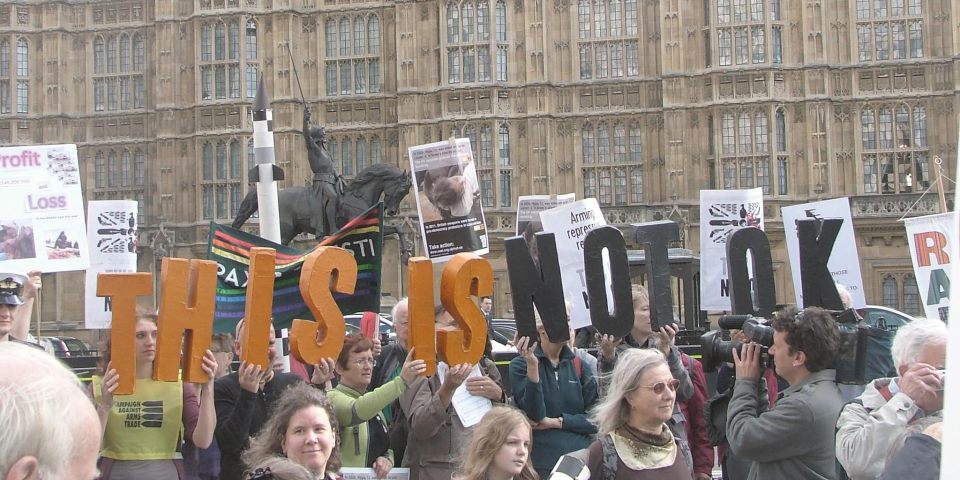
http://www.caat.org.uk http://blog.caat.org.uk
http://www.un.org/disarmament/convarms/ArmsTradeTreaty
The Arms Trade Treaty is the name of a potential multilateral treaty that would regulate the international trade in conventional weapons. The treaty will be negotiated at a global conference under the auspices of the United Nations from 2 – 27 July 2012 in New York. MORE
Campaign Against the Arms Trade
Campaign Against Arms Trade (CAAT) is a UK non-governmental organisation that campaigns against the international arms trade. It was set up in 1974 by a number of peace and other organisations who were concerned about the growth in the arms trade following the Middle East war of 1973. It is a broad coalition of groups and individuals in the UK working to end the international arms trade. CAAT claims that this trade has a negative effect on humans rights and security as well as on global, regional and local economic development. In seeking to end it CAAT’s priorities are to:
- end government subsidies and support for arms exports;
- end exports to oppressive regimes;
- end exports to countries involved in an armed conflict or region of tension;
- end exports to countries whose social welfare is threatened by military spending;
- support measures, both in the UK and internationally, which will regulate and reduce the arms trade and lead to its eventually end.
- http://www.sourcewatch.org/Campaign_Against_the_Arms_Trade
- http://en.wikipedia.org/wiki/Category:Weapons_trade
- „The work of Campaign Against Arms Trade is really great and uplifting. I wish we had something comparable in the U.S.“ – Noam Chomsky
Disarm The Gallery campaign launch action – Love art but not arms companies? Then join us at noon on Saturday 31st March for a mass art-action to launch our campaign to Disarm The Gallery and end the National Gallery’s links with the arms trade.
Whether you’re willing to don a costume and engage in street theatre, leaflet passers-by or engage children and tourists in some arty fun, your help will be welcome!
Background: The National Gallery regularly hosts evening events for arms dealers seeking to impress their clients with drinks and dinners in its lavish surroundings. Arms company Finmeccanica buys this privilege for only £30,000 a year.
In 2011 the world’s largest arms fair took place in London, bringing together authoritarian regimes and weapons manufacturers from around the world. The National Gallery hosted its evening reception. Unless we stop them, it looks like the gallery will again host arms dealers during this year’s Farnborough Airshow in July!
Please let us know you are coming so we can keep you up to date with the latest plans: outreach@caat.org.uk.
If you can’t make it, please support the campaign by writing to the director of the gallery: http://act.caat.org.uk/lobby/61
http://www.iisd.org/gsi/subsidy-watch-archive
The UN Special Rapporteur on food Olivier de Schutter in his report to the United Nations Human Rights Council warned that bad nutrition is creating more sick people. He called for more agricultural subsidies to increase production of healthy foods such as cereals. http://www.srfood.org
An agricultural subsidy is a governmental subsidy paid to farmers and agribusinesses to supplement their income, manage the supply of agricultural commodities, and influence the cost and supply of such commodities. Examples of such commodities include wheat, feed grains (grain used as fodder, such as maize or corn, sorghum, barley, and oats), cotton, milk, rice, peanuts, sugar, tobacco, and oilseeds such as soybeans. MORE
Global funding for agricultural research, public and private, is estimated to total around $40 billion. There is a stark contrast with the $1500 billion the world now spends on weapons.
Arms control
 |
This article is part of the Center for Media & Democracy’s focus on the fallout of nuclear „spin.“ |
During 2005, the United States „provided nearly half of the weapons sold to militaries in the developing world, as major arms sales to the most unstable regions—many already engaged in conflict—grew to the highest level in eight years,“ according to a Congressional Research Service (CRS) report. [1] The United States „supplied $8.1 billion worth of weapons to developing countries,“ which was „45.8 percent of the total and far more than second-ranked Russia with 15 percent and Britain with a little more than 13 percent.“
„Arms control specialists said the figures underscore how the largely unchecked arms trade to the developing world has become a major staple of the American weapons industry, even though introducing many of the weapons risks fueling conflicts rather than aiding long-term US interests.“ [2]
„The United States, for instance, also signed an estimated $6.2 billion worth of new deals last year to sell attack helicopters, missiles, and other armaments to developing nations such as the United Arab Emirates, Pakistan, India, Israel, Egypt, Kuwait, and Saudi Arabia. Developing nations are designated as all those except in North America, Western Europe, Russia, Australia, and New Zealand.
„In addition to weapons already delivered, new contracts for future weapons deliveries topped $44 billion last year—the highest overall since 1998, according to the report. Nearly 70 percent of them were designated for developing nations.“ [3]
http://twitter.com/ComingFamine
http://en.wikipedia.org/wiki/Fair_trade
http://www.sciencealert.com.au/features/Coming Famine
http://paper.li/ComingFamine/World Food Daily
http://en.wikipedia.org/wiki/Arms_trade
http://en.wikipedia.org/wiki/Arms_industry
http://en.wikipedia.org/wiki/Arms_trafficking
100jähriges Jubläum im Islamischem Zentrum 30. Juni 2012
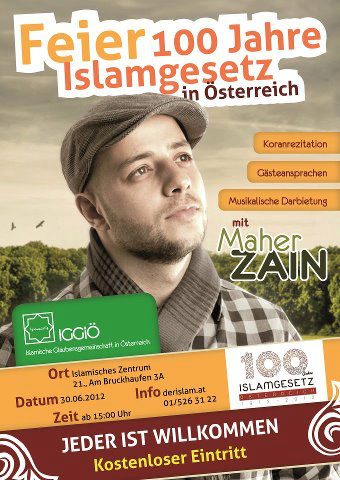
http://www.derislam.at
Volksfest anläßlich des Jubiläums im islamischen Zentrum
Wo: Islamisches Zentrum Wien, Wann: 30.Juni.2012
Islam is a monotheistic and Abrahamic religion articulated by the Qur’an, a text considered by its adherents to be the verbatim word of God (Arabic: الله AllÄ�h), and by the teachings and normative example (called the Sunnah and composed of Hadith) of Muhammad, considered by them to be the last prophet of God. An adherent of Islam is called a Muslim.
Muslims believe that God is one and incomparable and the purpose of existence is to love and serve God. Muslims also believe that Islam is the complete and universal version of a primordial faith that was revealed at many times and places before, including through Abraham, Moses and Jesus, whom they consider prophets.
Austria is unique among Western European countries insofar as it has granted Muslims the status of a recognized religious community. This dates back to the times following the Austro-Hungarian occupation of Bosnia and Herzegovina in 1878. Austria has regulated the religious freedoms (self-determination) of the Muslim community with the so called „Anerkennungsgesetz“ („Act of Recognition“). This law was reactivated in 1979 when the Community of Muslim believers in Austria (Islamische Glaubensgemeinschaft in Österreich) was founded. This organization is entitled to give lessons of religious education in state schools. It is also allowed to collect „church tax“ but so far it has not exercised this privilege and does not build, finance or administer mosques in Austria.
Parallel structures exist within the Islamic religious group. The religious life takes place in mosques belonging to organisations that represent one of the currents of Turkish, Bosnian and Arab Muslims. Among the Turkish organisations the „Federation of Turkish-Islamic Associations“ is controlled by the Directorate for Religious Affairs, whereas the other groups, such as the Süleymancıs and Milli Görüş, may be considered as branches of the pan-European organisation centered in Germany.
Mit einem Festakt im Wiener Rathaus am 29. Juni 2012 feiert die Islamische Glaubensgemeinschaft in Österreich (IGGiÖ) 100 Jahre offizielle staatliche Anerkennung des Islams. Am Tag zuvor steht das Islamgesetz im Zentrum einer rechtswissenschaftlichen Tagung an der Universität Wien. http://juridicum.univie.ac.at/index.php
Das Verhältnis zwischen dem christlich geprägten Europa und dem Islam war lange Zeit von einem religiös-politischen Gegensatz bestimmt, und die zweimalige Belagerung Wiens durch die Osmanen hat sich im kollektiven Gedächtnis niedergeschlagen. Das änderte sich für Österreich-Ungarn durch den Berliner Kongress von 1878, der den russisch-türkischen Krieg gegen die osmanische Herrschaft auf dem Balkan beendete. Im Zuge einer neuen Aufteilung der Gebiete wurde Bosnien-Herzegowina Österreich-Ungarn zunächst zur Verwaltung zugesprochen, etwas später, 1908, annektiert.
Der Weg zur Islamischen Glaubensgemeinschaft
Dieses „Islamgesetz“ ruhte nach dem Ende des Ersten Weltkriegs und der Monarchie, und die Muslime in Österreich konnten sich erst nach dem Ende des Zweiten Weltkriegs wieder in Vereinen organisieren. Aufgrund der zunehmenden Zahl von Muslimen, die in den 1960er Jahren zunächst vor allem als Gastarbeiter nach Österreich kamen, wurde auf der Basis des Gesetzes von 1912 die Einrichtung einer Glaubensgemeinschaft betrieben, zu der es damals noch nicht gekommen war. Dem 1971 gestellten Antrag auf gesetzliche Anerkennung folgten dann nach vielen Verhandlungen mit dem Kultusamt die Genehmigung mit 2. Mai 1979 und die Konstituierung der IGGiÖ.
http://en.wikipedia.org/wiki/Islam_in_Austria
http://medienportal.univie.ac.at/muslime-in-oesterreich-100-jahre-islamgesetz
NEWS 18. 06. 2012 http://religion.orf.at/projekt03/news/_iggioe.html
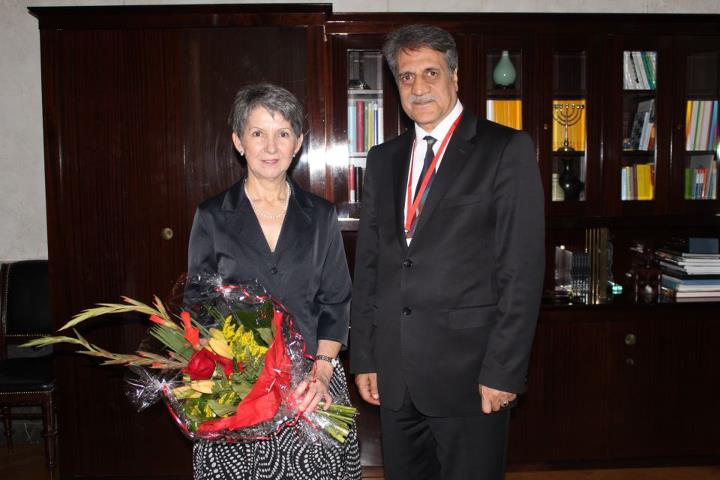
Empfang bei der Nationalratspräsidentin Frau Prammer 18.06.2012
http://www.meineabgeordneten.at/Abgeordnete/Barbara.Prammer
Freedom of religion is a principle that supports the freedom of an individual or community, in public or private, to manifest religion orbelief in teaching, practice, worship, and observance; the concept is generally recognized also to include the freedom to change religionor not to follow any religion.[1] The freedom to leave or discontinue membership in a religion or religious group —in religious terms called „apostasy“ —is also a fundamental part of religious freedom, covered by Article 18 of the Universal Declaration of Human Rights.
Freedom of religion is considered by many people and nations to be a fundamental human right. In a country with a state religion, freedom of religion is generally considered to mean that the government permits religious practices of other sects besides the state religion, and does not persecute believers in other faiths. http://en.wikipedia.org/wiki/Freedom_of_religion
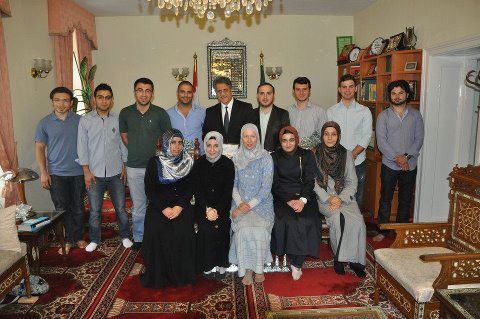
Kärnten: Interreligiöses Fest anlässlich „100 Jahre Islamgesetz“
Mit einem interreligiösen „Fest des Dialogs“ ist am Samstag in Kärnten das 100-jährige Bestehen des Islamgesetzes in Österreich gefeiert worden. Zum Fest im Klagenfurter Konzerthaus hatte die „Islamische Glaubensgemeinschaft in Österreich“ (IGGiÖ) geladen. Der Kärntner Bischof Alois Schwarz bekundete dabei Dankbarkeit für die „enge Zusammenarbeit“ und das „gute Miteinander“ im Land.
Schwarz erinnerte daran, dass Österreich mit dem Islamgesetz in der Europäischen Union eine Sonderstellung einnimmt. Er empfahl auch anderen Ländern eine solche Regelung. Laut einer Aussendung des Büros von Landeshauptmann Gerhard Dörfler erklärte IGGiÖ-Ehrenpräsident Anas Schakfeh, Österreich könne sich rühmen, mit dem Islamgesetz „Pionier“ zu sein. „Wir honorieren diese Anerkennung mit Loyalität zur Gesellschaft“, so Schakfeh. IGGiÖ-Präsident Fuat Sanac dankte für die Möglichkeit des gemeinsamen Feierns.
„Ich bin Kärntner und Muslim“
Als Kärntner ein Muslim zu sein, sei kein Widerspruch: „Ich fühle mich als Kärnter. Zu meiner Identität gehört auch, dass ich gebürtiger Bosnier bin“, sagte der Präsident der IGGiÖ Kärnten, Esad Memic, laut einem Bericht von „ORF On“. Er fühle sich auch „als Muslim, als Europäer, als Kosmopolit“. All diese Identitäten schlössen einander nicht aus. Ziel sei ein gutes Miteinander: Man sei nicht hier, um die vorherrschende Kultur zu verdrängen, sondern um diese noch „reicher und schöner“ zu machen.
Festredner: Offenheit, Optimismus und Liebe
Der evangelische Superintendent Manfred Sauer betonte beim Fest, Anerkennung und Gleichberechtigung sollten dazu führen, „offen aufeinander zuzugehen und voneinander zu lernen“. Dies gelinge in Kärnten auf eindrucksvolle Weise. Und der Großmufti von Slowenien, Nedzad Grabus, hob hervor, dass man diesbezüglich in Österreich „positiv in die Zukunft schauen“ könne. Landeshauptmann Dörfler betonte in seiner Festrede laut ORF: „Alle Religionen, alle Menschen, alle Ethnien haben dann Platz, wenn sie die Liebe, den Frieden, das Miteinander der Integration und das Verständnis in den Vordergrund stellen.“
Österreichische Muslime schon zu Kaisers Zeiten
In Österreich ist der Islam seit 1912 als Religionsgemeinschaft anerkannt. Das Gesetz sichert Muslimen Selbstbestimmung zu. Eingeführt wurde es, weil mit Bosnien auch rund 600.000 Muslime Teil von Österreich-Ungarn geworden waren. Unter anderem wurde den bosnischen Muslimen in der K.u.K.-Armee dadurch die Betreuung durch Imame ermöglicht.
(KAP)
Veranstaltungen
- Dachgeschoß des Juridicums
- Schottenbastei 10-16
- A-1010 Wien
- 28 Juni 2012
- Islamische Zentrum Wien
- 30 Juni 2012
- 04 Juli 2012
Europasaal, Edmundsburg
Mönchsberg 2, 5020 Salzburg
Human Rights Watch Film Festival June 14 – 28 NY

http://ff.hrw.org/new-york
Human rights are commonly understood as „inalienable fundamental rights to which a person is inherently entitled simply because she or he is a human being.“[1] Human rights are thus conceived as universal (applicable everywhere) and egalitarian (the same for everyone). These rights may exist as natural rights or as legal rights, in both national and international law.[2] http://en.wikipedia.org/wiki/Human_rights, http://www.un.org/en/documents/udhr/
One of the world’s leading independent organizations dedicated to defending and protecting human rights, Human Rights Watch works tenaciously to lay the legal and moral groundwork for deep rooted change and fights to bring greater justice and security to people around the world. The annual Human Rights Watch Film Festival bears witness to human rights violations and creates a forum for courageous individuals on both sides of the lens to empower audiences with the knowledge that personal commitment can make a difference. The festival brings to life human rights abuses through storytelling in a way that challenges each individual to empathize and demand justice for all people.
This year’s festival is organized around four themes: Health, Development, and the Environment (Bidder 70, Bitter Seeds, Escape Fire: The Fight to Rescue American Healthcare); Migrants’ Rights (Color of the Ocean, Special Flight); Personal Testimony and Witnessing (Ai Weiwei: Never Sorry, Brother Number One, Little Heaven, Reportero,Silenced Voices, Words of Witness); Reporting in Crises (Reportero,Silenced Voices, Words of Witness); and Women’s Rights (Habibi, The Invisible War, Salaam Dunk). Download the beautiful full-color festival brochure as a PDF for even more information about the lineup.
http://www.filmlinc.com/films/series/human-rights-watch-film-festival-2012
Please note: The festival launches on June 14 with a fundraising Benefit Night for Human Rights Watch, featuring Kim Nguyen’s War Witch, an emotionally powerful drama about a 14-year-old girl abducted by a rebel army in sub-Saharan Africa. Tickets and more information can be found on the Human Rights Watch website. The main program will begin on June 15 with the Opening Night presentation of Alison Klayman’s festival favorite Ai Weiwei: Never Sorry, an up-close look at renowned Chinese artist and activist Ai Weiwei and his ongoing battle with the Chinese government.
PRINTED PROGRAM DOWNLOADS:
2012 London Human Rights Watch Film Festival Program – 16 pgs, 5.4 Mb
2012 New York Human Rights Watch Film Festival Program – 16 pgs, 4.1 Mb
PRESS RELEASE DOWNLOADS:
2012 London Human Rights Watch Film Festival Press Release – 16 pgs, 256 kb
2012 New York Human Rights Watch Film Festival Press Release – 15 pgs, 206 kb
2012 Toronto Human Rights Watch Film Festival Press Release – 4 pgs, 380 kb
LOGO DOWNLOADS:
Color logo: High Resolution (JPEG, TIF, EPS) Low Resolution ( JPEG, TIF, EPS)
Black & White: High Resolution(JPEG, TIF, EPS) Low Resolution (JPEG, TIF, EPS)
Press Contacts
London
Sarah Harvey
sarah@sarahharvey.info
+44 (0) 20 7232 2812
New York
Susan Norget
susan@norget.com
+1 212 431 0090
Toronto
Samantha Ash
ashs@hrw.org
+1 416 322 8448
http://www.facebook.com/HumanRightsWatch
Previous #arcticles #videos #humanrights
nef – Festival of Transition events 20th June

http://www.neweconomics.org
Head over to the Festival website at www.festivaloftransition.net and get involved!
Sustainability is the capacity to endure. For humans, sustainability is the long-term maintenance of responsibility, which has environmental, economic, and social dimensions, and encompasses the concept of stewardship, the responsible management of resource use. In ecology, sustainability describes how biological systems remain diverse and productive over time, a necessary precondition for the well-being of humans and other organisms. Long-lived and healthy wetlands and forests are examples of sustainable biological systems.
http://en.wikipedia.org/wiki/Sustainability
nef (the new economics foundation) is an independent think-and-do tank that inspires and demonstrates real economic well-being.
We aim to improve quality of life by promoting innovative solutions that challenge mainstream thinking on economic, environment and social issues. We work in partnership and put people and the planet first.
nef was founded in 1986 by the leaders of The Other Economic Summit (TOES) which forced issues such as international debt onto the agenda of the G7 and G8 summits.
We are unique in combining rigorous analysis and policy debate with practical solutions on the ground, often run and designed with the help of local people. We also create new ways of measuring progress towards increased well-being and environmental sustainability.
nef works with all sections of society in the UK and internationally – civil society, government, individuals, businesses and academia – to create more understanding and strategies for change.
Read our Review of the Year 2010-2011 here.
On June 20, while the Rio conference takes place, instead of waiting for disappointment, several groups have organised a Festival of Transition, which anyone can enjoy and contribute to, wherever they are. It asks simply that people take a taste of breaking with business as usual by doing something different for 24 hours themselves, where they are, with friends, work colleagues or neighbours.“ – Andrew Simms, Rio+20: don’t wait for disappointment from the bureaucrats, http://gu.com/p/38396
The future is hard to predict but one way or another our economy and society will change dramatically as we adapt to the end of cheap fossil fuels, address the threat of runaway climate change and fix our broken financial system. A new, positive approach to this transition is emerging which sees it as an opportunity to change all of our lives for the better.
The Festival of Transition is a series of events, talks and walks up and down the country culminating in a nationwide day of action and re-imagining on Wednesday 20th June 2012, the first day of the UN Earth Summit in Rio. It’s an invitation to explore how overcoming big challenges can lead to better lives for us all.
Tickets still available for many of the walks and talks in the run up to the 20th.
Previous #articles #video #RIO +20
http://www.facebook.com/neweconomics
http://www.transitiontowntotnes.org/about/what-is-transition/what-economic-crisis

32th Annual Meeting of the International Association for Impact Assessment 27 May – 1 June 2012 | Porto, Portugal
IAIA12 Energy Future: The Role of Impact Assessment
Porto, Portugal 27 May – 1 June 2012

UPDATE : IAIA’s statement to Rio+20
http://www.iaia.org/publicdocuments/Rio20.pdf
An environmental impact assessment is an assessment of the possible positive or negative impact that a proposed project may have on the environment, together consisting of the environmental, social and economic aspects. http://en.wikipedia.org/wiki/Environmental_impact_assessment
The Equator Principles (EPs) are a voluntary set of standards for determining, assessing and managing social and environmental risk in project financing.
Project financing, a method of funding in which the lender looks primarily to the revenues generated by a single project both as the source of repayment and as security for the exposure, plays an important role in financing development throughout the world (See http://www.bis.org/publ/bcbs118.pdf). Project financiers may encounter social and environmental issues that are both complex and challenging, particularly with respect to projects in the emerging markets.
The Equator Principles in full can be found at:
http://www.equator-principles.com/resources/equator-principles.pdf.
Equator Principles Financial Institutions (EPFIs) commit to not providing loans to projects where the borrower will not or is unable to comply with their respective social and environmental policies and procedures that implement the EPs. http://en.wikipedia.org/wiki/Equator_principles
The 32nd annual conference of the International Association For Impact Assessement, Energy Future: The Role of Impact Assessment will take place in Porto, Portugal from 27 May – 1 June 2012.
A defining issue throughout human history has been how societies have pursued the supply and management of energy. Our view of the world and the world economy over the last 3-4 human generations has been shaped by assumptions of infinite energy supplied primarily by fossil fuels. Impact assessments have scrutinized thousands of energy projects, but few have considered the long-term future supply and sources of non-renewable and renewable energy as critical to decision-making. Now, however, the basic principle of limitless energy is under challenge.
Impact assessment has proven to be a powerful evolving tool able to incorporate environmental, social and health concerns, among others, in decision-making processes. More integrated approaches are being tested for biodiversity and climate change. Understanding the future of energy must also be one of the highest priorities for impact assessment professionals.
What is the role of impact assessment on future global, national and local energy decisions and choices? How can we tackle the environmental and social risks that will appear as a result of our quest for the development, production and management of new energy sources?
IAIA is a forum for advancing innovation, development, and communication of best practice in impact assessment. For more information about what we do, visit http://www.iaia.org .
http://www.facebook.com/iaia.impact.assessment
Can’t attend IAIA12? Follow the tweet stream at #iaia12.
Previous #articles #videos #humanrights #impact #assessment
The Minority Rights Declaration at 20

Violations of the rights of national, ethnic, religious and linguistic minorities or related tensions were at the core of 55 per cent of violent conflicts between 2007 and 2009, according to a survey. More:http://bit.ly/IyunUN
________________
Use and share the visual designs created especially for the 20th anniversary of the Minority Rights Declaration: http://bit.ly/I4fpc5
Minorities face attack as revolutions sour in Middle East and North Africa, says new global Peoples Under Threat survey
Syria, Libya, Egypt and Yemen are among the most significant risers in this year’s internationally acclaimed global ranking Peoples Under Threat, which lists countries where communities are most at threat of mass killing, MRG says.
According to authoritative indicators factored into the Peoples Under Threat analysis, states in the Middle East and North Africa have risen notably in the table, with minorities at particular risk. As political space opens up, ethnic or sectarian grievances have been exacerbated and minorities scapegoated.
Read the global press release and the Africa press release.
Listen to an interview with MRG Executive Director Mark Lattimer on the 2012 Peoples under Threat rankings.

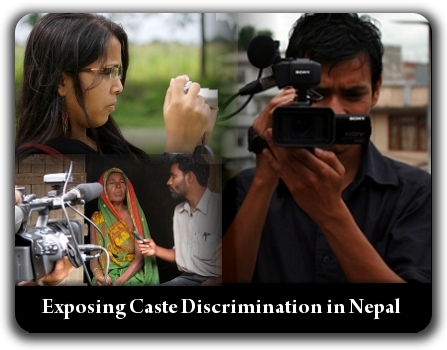
ADVOCACY PROJECT – Dalit Journalism in Nepal

http://www.advocacynet.org/page/home
http://www.hrw.org/asia/nepal
United Nations Human Rights
READ THE STORY OF 27 YEARS OLD PRAKASH MOHARA

Dalit is a designation for a group of people traditionally regarded as „untouchable„. Dalits are a mixed population, consisting of numerous castes from all over South Asia; they speak a variety of languages and practice a multitude of religions.
While the discrimination based on caste system (not the caste system itself) has been abolished under the Indian constitution, a New York University School of Law based group claimed in a 2007 shadow report to the United Nations that there still is discrimination and prejudice against Dalits in South Asia. Since India’s independence, significant steps have been taken to provide opportunities in jobs and education. Many social organisations too have proactively promoted better conditions for Dalits through improved education, health and employment. http://en.wikipedia.org/wiki/Dalit
Varna (Hinduism) Opposition within Hinduism
Critics point that the effect of communities (jatis) inheriting varna was to bind certain communities to sources of influence, power and economy while locking out others and thus create more affluence for jatis in higher classes and severe poverty for jatis in lower classes and the outcaste Dalit. In the last 150 years Indian movements arose to throw off the economic and political yoke of an inherited class system that emerged over time, and replace it with what they believed to be true Varnashrama dharma as described in the Vedas. *HERE
In 2008, Nepal completed an extraordinary journey from dictatorship to democracy. Nepal was declared a republic, bringing the autocratic rule of King Gyanendra to an end. Elections were held and the leader of the Maoist rebels, Prachanda, emerged as head of the government. It was an extraordinary achievement, led by civil society.
But the success is not yet complete. Caste has been officially abolished in Nepal, but it remains a fact of life particularly in villages. The result has been deep discrimination against Dalit, who used to be described as “untouchables.” Caste condemns Dalit to poverty, illiteracy and ill health.
These pages are intended to support a campaign by the Jagaran Media Center (JMC), a leading advocate for Dalit rights, to reduce caste discrimination.
JMC has exposed caste discrimination for two years through an e-bulletin, which now goes out to almost 10,000 subscribers. At the suggestion of its partners, JMC has decided to expand and deepen this coverage, starting in 2009. Every three months, Dalit journalists throughout Nepal will collect information from their district and submit it to the JMC office in Kathmandu, for editing and dissemination. Each thematic e-bulletin will investigate and expose a practice which results in caste discrimination.
The information will be posted on the JMC website; broadcast on JMC’s radio station (Radio Jagaran) from Butwal in Nepal; sent out to subscribers of the JMC e-bulletin; distributed by diaspora listservs in Europe and North America; and re-distributed by The Advocacy Project (AP) in Washington.
JMC and its partners will then use the information to launch a series of actions and campaigns, in Nepal and internationally, to reduce and eliminate caste discrimination in a significant number of Nepal’s districts.
On these pages:
- The Goal: A caste-free society in Nepal
- Profiles of Discrimination: The first thematic bulletin exposes the threat to Inter-caste marriage
- The Reporters: 20 Dalit journalists are under contract to JMC. Six contributed to the first issue (January 2009)
- The Team: JMC and AP are developing the campaign in Nepal and the US
- Background: JMC and AP have cooperated to expose caste since 2004
- http://www.youtube.com/AdvProject
- Taking Action:How you can help!
Asia indigenous body calls for social justice
“The government has recently agreed to enlist Khas-Arya (including Chhetri, Brahmin, Thakuri, Dasnami and Dalit) under category of ‘indigenous (Aadivasi) against internationally accepted standards set out by ILO Convention 169 that Nepal has ratified,” the pact said in a statement.
“This agreement is clearly aimed at allowing certain groups to continue to dominate and muddle and diffuse the rightful entitlement of indigenous peoples to self-determination in the new constitution,” said Joan Carling, secretary general of the body. “We call for the withdrawal of this irrational agreement as it only serves to exacerbate the existing social and political conflicts.”
http://www.lahurnip.org/index.php
The pact has expressed solidarity with Nepal’s indigenous people in their demands for legal recognition of their distinct collective identities and cultures, right to self-determination under a federal setup of autonomous units, the right to their lands, territories and resources, the right to political participation and the requirement for their free, prior and informed consent on matters that concerns them – those are in line with the international human rights obligations of Nepal under ILO Convention 169 and UN Declaration of the Rights of Indigenous Peoples (UNDRIP).
Following protracted protests from indigenous groups, the government yesterday signed an agreement with indigenous representatives to present their demands, mostly similar to those in the petition, in the CA. “We call on all political parties and CA members to adhere to the demands of indigenous peoples and marginalised groups so as to ensure inclusive democracy in the new constitution,” added Carling.
Further, in light of reports of many incidents of excesses by police forces during peaceful protests of indigenous peoples, particularly in the south-western Nepal, that left tens of Tharus injured, the pact has urged police to exercise restraint and respect rights of citizens to peaceful assembly.
It has expressed regret that media agencies have never given due prominence to balanced reporting of organised actions and other public programmes of Nepal’s indigenous peoples. “We respect freedom of media and rights of journalists but it is also important for media agencies to reflect diversity in their reporting and give attention to the issues and actions of marginalized groups,” said Carling.
The pact has requested international media agencies to independently monitor and report on the developments in Nepal so as to facilitate the much-needed global attention to the struggles of these groups long deprived of social justice.
Source : THT
http://globalvoicesonline.org/world/south-asia/nepal
Previous #articles #videos #indigenous issues #humanrights
World Fair Trade Day 2012 Declaration
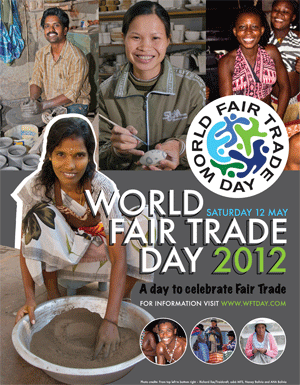
World Fair Trade Day 2012 Declaration
Happy World Fair Trade Day! #WorldFairTradeDay We congratulate the Fair Trade Movement for bringing Fair Trade to many homes, businesses, policy makers, and to all of us who believe in just, sustainable and Fair Trade.
Fair trade is an organized social movement and market-based approach that aims to help producers in developing countries to make better trading conditions and promote sustainability. The movement advocates the payment of a higher price to exporters as well as higher social and environmental standards. http://en.wikipedia.org/wiki/Fair_trade
Fair Trade will be celebrated on 12 May 2012, World Fair Trade Day, in diverse places and cultures across the globe. The World Fair Trade Day is an annual initiative of the World Fair Trade Organization (WFTO). Hundreds of events are organized in more than 70 countries in Africa, Asia, Europe, Latin America, North America and Pacific Rim. Leading the celebration are members of the WFTO that have pioneered Fair Trade for more than five decades, supported by country and regional networks.
World Fair Trade Day is a worldwide festival of events celebrating Fair Trade as a tangible contribution to the fight against poverty, climate change and the economic crisis that has the greatest impact on the world’s most vulnerable populations. A third of the world’s population lives on less than two dollars a day. The global crisis confirms the need for a fair and sustainable economy locally and globally. Trade must benefit the most vulnerable and deliver sustainable livelihoods by developing opportunities for small and disadvantaged producers. Millions of producers and traders, business and policy makers, supporting organizations and volunteers have contributed to the substantial growth of Fair Trade.
Fair Trade makes a difference. Fair Trade Organizations are pioneers and change makers.
http://www.wfto.com
http://www.wftomarket.com
http://www.wfto-europe.org
http://www.wfto-asia.com
http://www.ifat-la.org
http://www.cofta.org
http://www.facebook.com/WFTOFairTrade
Previous #articles #videos #fairtrade
SOLUTIONS Prosperity Without Growth by Tim Jackson

An international conference held in Montreal, Canada, from May 13-19, 2012
Degrowth (in French: décroissance,[1] in Spanish: decrecimiento, in Italian: decrescita) is a political, economic, and social movement based on environmentalist, anti-consumerist and anti-capitalist ideas. Degrowth thinkers and activists advocate for the downscaling of production and consumption—the contraction of economies—as overconsumption lies at the root of long term environmental issues and social inequalities. Key to the concept of degrowth is that reducing consumption does not require individual martyring and a decrease in well-being. http://en.wikipedia.org/wiki/Degrowth
Twenty years after the Earth Summit in Rio, the linkage of sustainable development to economic growth requires profound rethinking. It has not offered a convincing solution to one of the most dramatic crises in history: how to avert ecological collapse while enhancing social justice and improving life’s prospects. In advance of Rio plus 20, our Conference seeks to challenge and move beyond the sustainable development agenda. A degrowth perspective will help us visualize and build towards a truly prosperous world.
Drawing from previous degrowth conferences in Paris and Barcelona in 2008 and 2010 respectively, the Montreal conference will focus on the particular situations and dynamics of the Americas. What does degrowth mean for our Hemisphere with its rich geographical, cultural, social and economic diversity? How can degrowth models apply to different contexts from the Arctic to Tierra del Fuego? What does degrowth mean for the indigenous peoples of the Americas and their aspirations for their lands and peoples? How can degrowth concepts be made audible, understandable and aceptable to rich North Americans?
This gathering will bring together academics, activists, environmentalists and indigenous peoples to discuss our needs and hopes for diverse and more equitable societies in the Americas, on a post-growth healing earth.
In summary, degrowth is a call for a radical break from traditional growth-based models of society, no matter if these models are „left“ or „right“, to invent new ways of living together in a true democracy, respectful of the values of equality and freedom, based on sharing and cooperation, and with sufficiently moderate consumption so as to be sustainable.
http://www.facebook.com/Degrowth-in-the-Americas
http://www.facebook.com/DegrowthPedia
http://www.facebook.com/boellstiftung
http://www.facebook.com/postgrowth
http://www.campaigncc.org/greenjobs
http://www.facebook.com/PostCarbon
http://www.greengrowth.org/rethink.asp
http://www.facebook.com/slowfoodinternational
http://www.stwr.org/india-china-asia/putting-growth-in-its-place.html
http://www.ecobuddhism.org/prosperity_without_growth
http://www.facebook.com/WECANADA
http://www.scidev.net/science-and-innovation-policy/science-at-rio-20
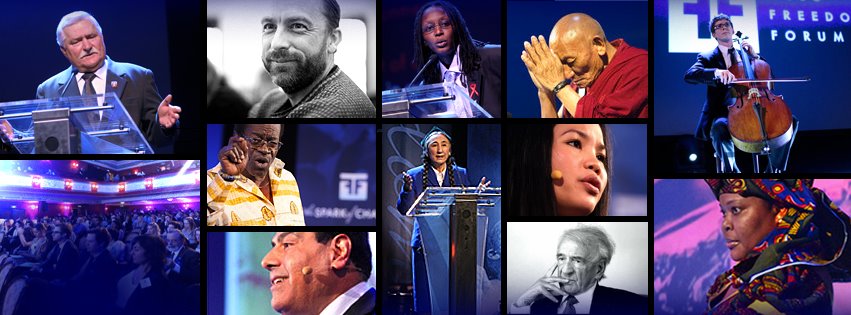
The fourth annual Oslo Freedom Forum May 7th-9th, 2012
http://www.oslofreedomforum.com
Oslo Freedom Forum (OFF) is a conference about human rights first held in May 2009 in Oslo, Norway. It was described by „‚The Economist“ in a news report as the „Davos of Human Rights.“ It was founded by Thor Halvorssen, CEO of the New York-based Human Rights Foundation. According to Thor Halvorssen, „the Oslo Freedom Forum is an intimate gathering where leaders who are transforming the world present effective solutions and inspiring testimonies that impact human rights and freedom. Speakers share diverse perspectives and expertise, from those individuals with first-hand experiences in the fight for human rights to those offering insight based on academic research and political and non-profit leadership“. http://en.wikipedia.org/wiki/Oslo_Freedom_Forum
The fourth annual Oslo Freedom Forum, titled Out of Darkness, Into Light, will bring the most daunting humanitarian issues of our time out of the shadows of obscurity and to the forefront of global awareness. The event will feature visionaries from academia, advocacy, business, media, politics, social entrepreneurship, and technology who will shed light on some of the world’s least known and most repressive regimes and exchange ideas on how best to tackle humanitarian crises.
The conference will include luminaries from Wikipedia and Google; the best-selling authors of The Shadow War, Consent of the Networked, and You Can’t Read This Book; anti-slavery pioneers from Cambodia, Haiti, and Nepal; opposition leaders from Ethiopia, Russia, and Singapore; individuals using the arts to highlight human rights crises; and on-the-ground activists from regimes in Equatorial Guinea, Pakistan, Saudi Arabia, and Zimbabwe, to name only a few.
View the full 2012 program here.
The program will include a spotlight on the many forms of modern-day slavery; exposés on how Western public relations firms, IT, and arms companies support dictatorships, the drug war’s impact on human rights; a focus on the burgeoning democracy movement in Russia; perspectives on dealing with poverty through individual rights; an examination of global censorship; and a discussion on the current state of the Arab uprisings.
This year’s event will be streamed live and in its entirety online. Updates can be found on Facebook and on Twitter @OsloFreedomFrm using the hashtag #OFF12.
More information about 2012 Oslo Freedom Forum Speakers can be found on the speakers page.
To learn more about our special breakfast panel discussion, Silenced: Five Emblematic Cases of Political Detention, please click here.
Press Inquiries
Alex Gladstein
Alex@oslofreedomforum.com
Phone: +1 646 737 4371
Media contact:
http://www.youtube.com/oslofreedomforum
http://www.oslofreedomforum.com/speakers/vaclav_havel.html
http://www.hrw.org/world-report-2012/europes-own-humanrights-crisis

http://www.rferl.org/vaclav_havel
http://www.article19.org/letter from vaclav havel
http://www.freedomhouse.org/mission-protect-free-expression-azerbaijan
http://dalailamacenter.org/blog-post/vaclav-havel-dalai-lama-lost-friend
Dalai Lama stattet Österreich im Mai bisher längsten Besuch ab
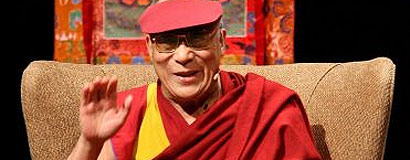
Dalai Lama stattet Österreich im Mai bisher längsten Besuch ab. Der Dalai Lama wird im Mai zehn Tage in Österreich weilen und dem Land damit seinen bisher längsten Besuch abstatten. Das Oberhaupt der Tibeter reist nach Kärnten, Salzburg und Wien. Am Donnerstag wurde das Besuchsprogramm präsentiert.
Zum vierten Mal seit 1992 besucht das Oberhaupt der Tibeter Österreich, von 17. bis 26. Mai wird der Dalai Lama bleiben. Der Direktor des Tibetzentrums in Hüttenberg (Kärnten), Lama Geshe Tenzin Dhargye, präsentierte am Donnerstag in Wien gemeinsam mit dem Kärntner Landeshauptmann Gerhard Dörfler (FPK) das Besuchsprogramm.
Kärnten: „Die Kunst des Glücklichseins“
Den Auftakt des Dalai Lama-Besuchs stellt ein Treffen mit den Schülern des Tibetzentrums in Hüttenberg, dar. An den darauffolgenden zwei Tagen stehen dann in der Klagenfurter Messehalle „buddhistische Unterweisungen“ auf dem Programm. Am 20. Mai wird am selben Ort ein Vortrag unter dem Titel „Die Kunst des Glücklichseins“ stattfinden. Ein Thema, das dem Dalai Lama laut Geshe Dhargye besonders am Herzen liegt: „Seine Heiligkeit glaubt, dass es notwendig ist, eine Spiritualität zu schaffen, die von allen Menschen – egal ob gläubig oder nicht – angenommen werden kann. Aus dieser können dann jene menschlichen Werte entstehen, die eine Schlüsselrolle auf dem Weg zum Glücklichsein einnehmen.“
Salzburg: Internationale Flüchtlingsproblematik im Mittelpunkt
Anschließend geht die Reise weiter nach Salzburg, wo beim Besuch in der Salzburgarena das Thema „Weltfrieden und universelle Verantwortung“ im Mittelpunkt steht. Vor allem die internationale Flüchtlingsproblematik soll dabei behandelt werden, sagte Ernst Löscher, Direktor der Flüchtlingshilfeorganisation „Alpine Peace Crossing“ (APC), der die Vorträge in Salzburg mit organisierte. Denn: „Der Dalai Lama ist wahrscheinlich der prominenteste Flüchtling, den es gibt.“ Am Nachmittag wird der Dalai Lama mit dem Salzburger Erzbischof Alois Kothgasser, der evangelischen Superintendentin Luise Müller, dem Präsidenten der islamischen Glaubensgemeinschaft Fuat Sanac und dem Wiener Gemeinderabbiner Schlomo Hofmeister zusammentreffen und mit ihnen über die Möglichkeit religiöser Harmonie in Zeiten der Globalisierung diskutieren.
Wien: Berührungspunkte zwischen Wissenschaft und Buddhismus
In der Wiener Stadthalle hält das tibetische Oberhaupt dann am 25. Mai einen Vortrag unter dem Titel „Jenseits von Religion – Ethik und menschliche Werte in der heutigen Gesellschaft“. Den Abschluss wird am 26. Mai das wissenschaftlich-religiöse Symposium „Geist und Materie – neue Modelle der Realität“ an der Universität Wien bilden. Gemeinsam mit den Quantenphysiker Anton Zeilinger, einem langjährigen Freund des buddhistischen Oberhauptes, und weiteren führenden Wissenschaftlern aus Physik, Neurowissenschaft und Philosophie wird der Dalai Lama über Berührungspunkte zwischen Wissenschaft und Buddhismus diskutieren.
Previous articles #dalai lama #tibet #humanrights
http://religion.orf.at/projekt03/news/1204/ne120426_dalailama.html
(APA)

Themenabende im Monat Mai / Juni mit Shri Sarvabhavana
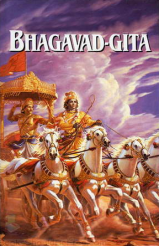
Wir laden herzlich ein zu den Vorträgen und Veranstaltungen mit Shri Sarvabhavana im Monat Mai/ Juni VORTRÄGE in BERLIN / DRESDEN & PIRNA
The Bhagavad Gita (pronounced: [ˈbʱəɡəʋəd̪ ɡiːˈt̪aː] ( listen)), also referred to as Gita, is a 700-verse Hindu scripture that is part of the ancient Sanskrit epic Mahabharata. Due to its presence in the epic, it is classified as a Smṛiti text. However, those branches of Hinduism that give it the status of an Upanishad also consider it a Śruti or „revealed text“.[1][2] As it is taken to represent a summary of the Upanishadic teachings, it is also called „the Upanishad of the Upanishads.“[3] HERE
Free Will…now in english! http://www.vedic-guide.de/en/texte/freier-wille
http://www.facebook.com/shrisarvabhavana


Public Talk in Ottawa, Canada on April 28: His Holiness will give a public talk on Ethics for a Whole World organized by the Canada Tibet Committee at the Civic Center. Contact Website: www.tibet.ca/2012
Buy the Book
Beyond Religion: Ethics for a Whole World by His Holiness the Dalai Lama
Ten years ago, in his book Ethics for a New Millennium, His Holiness the Dalai Lama first proposed an approach to ethics based on universal rather than religious principles. Now, in Beyond Religion, the Dalai Lama, at his most compassionate and outspoken, elaborates and deepens his vision for a nonreligious way that transcends mere religion.
I Won’t Fall Down: A Video Tribute
A video tribute to the courage and compassion of the Tibetan people, their struggle against Chinese oppression and the trials of their life as a people in exile from their beloved homeland. Montreal band Sunrise and Good People, visited the little town of McLeod Ganj in India, home to many Tibetan refugees. Moved by the stories they heard, they created this musical tribute.
The Tibetan Resettlement Project

Arunachal Pradesh /ˌɑrəˌnɑːtʃəl prəˈdɛʃ/ is a state of India. Located in northeast India, Arunachal Pradesh borders the states of Assam and Nagaland to the south, and shares international borders with Bhutan in the west, Burma in the east and the People’s Republic of China in the north.
Arunachal Pradesh means „land of the dawn-lit mountains“[4]. It is also known as „land of the rising sun“[5] („pradesh“ means „state“, „territory“ or „region“) in reference to its position as the easternmost state of India. Like other parts of Northeast India, a majority of the people native to the state are of Tibeto-Burman origin.A large and increasing number of migrants have reached Arunachal Pradesh from many other parts of India, although no reliable population count of the migrant population has been conducted, and percentage estimates of total population accordingly vary widely. Part of the famous Ledo Burma Road, which was a lifeline to China during World War II, passes through the eastern part of the state.
The northern border of Arunachal Pradesh follows the McMahon Line, a border delineated in the Simla Accord that was signed by the United Kingdom and Tibet in 1914 but not by China. Both the Republic of China (ROC) and the People’s Republic of China (PRC) claim the northern portion of Arunachal Pradesh as part of the former provinces of Tibet Area and Xikang (for the ROC), respectively the Tibet Autonomous Region (for the PRC). The PRC often refers to the claimed areas as South Tibet. Itanagar is the capital of the state. http://en.wikipedia.org/wiki/Arunachal_Pradesh
The Government of Canada is helping up to 1,000 Tibetans immigrate to Canada. Even with India’s incredible generosity, without this humanitarian initiative many of these Tibetans – currently sheltering in the Indian state of Arunachal Pradesh – may never be able to pursue what so many in Canada take for granted: the very best for themselves and their children. Learn about the Tibetan Resettlement Project and the struggles of a people in exile.
The Government of Canada is facilitating the immigration of up to 1,000 Tibetans living in the state of Arunachal Pradesh in India, at the request of the Canada Tibet Committee and Canada’s Tibetan community. Up to 1,000 displaced Tibetans, including principal applicants and their eligible family members, will be accepted over a five-year period.
As part of this program, the Canada Tibet Committee has incorporated Project Tibet Society (PTS) to oversee the program. With CTC branches, local Tibetan Cultural Associations and Tibet supporters across Canada, PTS is now in the process of establishing local committees to oversee the five-year program.
Arunachal Pradesh
Arunachal Pradesh is situated in North-Eastern India. With a total area of 83,743 sq. kms, it has a long international border with Tibet (currently occupied by the People’s Republic of China) to the north and north-east (1,080 km), Myanmar to the east (440 km) and Bhutan to the west (160 km).
The majority of Arunachal Pradesh is claimed by the People’s Republic of China and to this day faces threats from insurgent groups.
Conditions of Tibetans in Arunachal Pradesh today
In Tibetan settlements across Arunachal Pradesh there’s already a young child who – with the right opportunities – may be a future doctor, a classical pianist, a scholar or the leader of a new environmental organization.
Yet, even with India’s incredible generosity, the reality for thousands of Tibetans who live in Arunachal Pradesh is that they may never have the chance to realize their potential and to experience what so many in Canada take for granted: the very best for themselves and their children.
Just the inaccessibility of the settlements alone means that providing for the education of children close to home is impossible. Aid supports hundreds of children in their education, but they must attend boarding schools many days journey from their families, with visits home every 3 to 5 years at most. The cost of education is family separation.
Public policy
The Minister established the following temporary public policy under section 25.2 of the Immigration and Refugee Protection Act (IRPA):
Up to 1,000 displaced Tibetans, including principal applicants and their eligible family members, may be accepted under this public policy. Principal applicants and their eligible family members, whether they accompany the principal applicant or not, will be counted towards this total.
As of March 17, 2011, applications for permanent residence made under the IRPA by persons who are displaced Tibetans living in the state of Arunachal Pradesh in India who have been matched with an approved sponsor in Canada shall be assessed along with their family members by delegated officers to determine whether permanent residence status in Canada could be granted to them on the basis of the criteria that are set out below.
To read more: www.cic.gc.ca/english/department/laws-policy/tibet.asp
Criteria
To qualify for this program a displaced Tibetan must be living in the state of Arunachal Pradesh in India who:
- can demonstrate their identity as a displaced Tibetan;
- has resided in Arunachal Pradesh prior to, and continues to reside in Arunachal Pradesh since December 18, 2010;
- has been matched with an approved sponsor in Canada through the Project Tibet Society, the umbrella organization working with Citizenship and Immigration Canada (CIC) on the implementation of this program;
- are not inadmissible on grounds of security, criminality, war crimes and crimes against humanity, organized crime, health and misrepresentation; and
- can demonstrate their ability to successfully establish in Canada.
Groups of Five
A Group of Five is any group of five – or more – Canadians (18 years or older) who live in the community where the Tibetan family will settle. Members will ensure that the necessary support will be provided for the 12 months of the sponsorship. The group will need to show that they have the resources, expertise and commitment to fulfil the sponsorship.
Sponsors are responsible for providing care, lodging, settlement assistance and support for the duration of the sponsorship period. Normally, this is 12 months starting from the day of arrival in Canada or until the family has become self-sufficient, whichever comes first.
Sponsors will be responsible for helping access language training, look for a job, and extend ongoing friendships. They will provide encouragement and help to adjust to life in Canada; teaching the rights and responsibilities of permanent residence in Canada.
With the Refugee Sponsorship Training Program (a Toronto-based organization), Project Tibet Society will ensure that the required training is provided to support this exciting initiative. In addition to this training, Project Tibet Society will help guide Groups of Five through all the necessary steps required and be their to counsel groups during the 12 month period.
Group of Five applications are available here:
- http://www.cic.gc.ca/english/information/applications/tibetan.asp
- http://www.cic.gc.ca/francais/information/demandes/tibetain.asp
Settlement organizations who would like to sponsor Tibetans under the program:
What to do next?
We can help the families of Arunachal Pradesh achieve their dream by extending a hand as they start new lives in Canada.
This program is their chance to realize these dreams for themselves and us.
Now we need your help.
To learn how you can help or to donate contact Project Tibet Society at:
P.O. Box 217, Place du Parc 2 Station, Montreal QC, H2X 4A4
Tel: 514.487.0665 | Email: ctcoffice@tibet.ca
Web: tibet.ca/projecttibetsociety
http://www.cic.gc.ca/english/information/applications/tibetan2.asp
Previous articles #dalai lama #tibet #humanrights

„Hands of Care and Hope“ can make their way out of the slums and take responsibility for their own own lives

http://www.bruckmeier.info/html/aktuell_t.html
AUSSTIEGS-SZENARIO: NEW HOPE THEATER
Spielend aus der Armut
A slum, as defined by the United Nations agency UN-HABITAT, is a run-down area of a city characterized by substandard housing and squalor and lacking in tenure security. According to the United Nations, the percentage of urban dwellers living in slums decreased from 47 percent to 37 percent in the developing world between 1990 and 2005.[1] However, due to rising population, and the rise especially in urban populations, the number of slum dwellers is rising. One billion people worldwide live in slums[2] and the figure will likely grow to 2 billion by 2030.[3]
The term has traditionally referred to housing areas that were once relatively affluent but which deteriorated as the original dwellers moved on to newer and better parts of the city, but has come to include the vast informal settlements found in cities in the developing world.[4]
Der Österreichische Regisseur Stephan Bruckmeier arbeitet seit drei Jahren in Kenias Hauptstadt Nairobi mit Jugendlichen in den Slums. Das Ergebnis seiner „kulturellen Entwicklungshilfe“ zeigt er erstmals auf einer Österreich-Tournee. http://en.wikipedia.org/wiki/Slum
The Dream Of Getting A Job (c) Heike Schiller
Afrika – das bedeutet für die meisten entweder Abenteuer-Safari-Urlaub, tropischer Sandstrand oder schlechte Nachrichten aus dem Fernsehen. Eine bunte Theaterrevue, die Afrika einmal anders präsentieren soll – der Titel: „The dream of getting a job“ – „Der Traum, einen Job zu bekommen“. Der Regisseur hat das Stück gemeinsam mit den Burschen und Mädchen der Gruppe geschrieben, es erzählt von den Problemen, die junge Menschen in Kenia haben, wenn sie heiraten und selbstständig werden wollen – besonders dann, wenn sie aus sehr armen Verhältnissen kommen.
Das Ensemble (c) Heike Schiller
Das „Hope Theatre“ – wie sich die Gruppe nennt – ist eines von mehreren Projekten in den Slums von Nairobi, die versuchen, eine Zivilgesellschaft der Slumbewohner aufzubauen und so die Lebensbedingungen aus sich heraus zu verbessern. Bruckmeier arbeitet dabei unter anderem eng mit der Organisation „Hands of Care and Hope“ zusammen. Diese wiederum wird von der Caritas Kärnten unterstützt und der Südtiroler Ordensschwester Lydia Pardeller geleitet. Mehr als 1000 Kinder aus den Slums bekommen dort Schulunterricht – und eine warme Mahlzeit am Tag.
Der kultur.montag von den Proben in Nairobi über ein Afrika jenseits aller Klischee-Vorstellungen.
http://tv.orf.at/groups/kultur/pool/new_hope TV-Beitrag: Gerhard Roßka
Termine:
25. – 26. April 2012:
Carinthische Musikakademie(CMA), Ossiach
28. April 2012:
Kaisersaal in St. Johann i.T.
1. – 5. Mai 2012:
Theater an der Gumpendorferstraße(TAG), Wien
7. – 8. Mai 2012:
Orpheum Graz
Weiterführendes zum Thema:
INFO: „Hands of Care and Hope“
Projekt Nairobi-Kariobangi, Kenya

Aktuelles März 2012 http://www.hopeforfuture.at/a_maerz2012.htm Dandora Dumping Site – Eine Müllhalde inmitten der Stadt und einer der giftigsten Orte der Welt. The Worlds Most Polluted Places: http://www.blacksmithinstitute.org/wwpp2007/finalReport2007.pdf
Toxic waste is waste material that can cause death, injury or birth defects to living creatures [1]. It spreads quite easily and can contaminate lakes and rivers and atmosphere. The term is often used interchangeably with “hazardous waste”, or discarded material that can pose a long-term risk to health or environment.
Hazardous wastes are poisonous byproducts of manufacturing, farming, city septic systems, construction, automotive garages, laboratories, hospitals, and other industries. The waste may be liquid, solid, or sludge and contain chemicals, heavy metals, radiation, dangerous pathogens, or other toxins. Even households generate hazardous waste from items such as batteries, used computer equipment, and leftover paints or pesticides..[2] http://en.wikipedia.org/wiki/Toxic_waste
Peter Quendler (Caritasverband Kärnten) und Otto Hirsch beabsichtigen, auf ein schon bestehendes gefördertes Projekt in Nairobi aufzubauen und die Franziskanerschwester Lydia Pardeller in ihrem Kampf gegen Hunger und Not zu unterstützen.
In einem der größten Slums von Nairobi, Kariobangi, hat Peter Quendler in der Missions-schwester Lydia Pardeller eine Partnerin gefunden, die sich unermüdlich um ca. 1000 eltern- und chancenlose Kinder sorgt, damit sie kostenfrei und mit täglicher Verpflegung die Schule besuchen und abschließen können. Wenn die Kinder zur Schule gehen, können und müssen sie nicht nach Essbarem auf dem Müll suchen und betteln. Schwester Lydia hat es sich zum Ziel gesetzt, Straßen- und Waisenkinder heranzubilden, damit sie fähig sind, ein menschenwürdiges Leben zu führen und in die Gemeinschaft integriert werden können. Eine Schul- bzw. Berufsausbildung sind die Voraussetzungen für den Ausstieg aus dem Elend.
„Hands of Care and Hope“ (HCH) ist eine Organisation, die im Jahre 2006 von Schwester Lydia Pardeller gegründet wurde. Mit bewundernswerter Kraft erfüllt sie mit diesem Projekt eine außergewöhnliche Mission:
• Aufbau von 4 Grundschulen für Straßen- und Waisenkinder
• 1000 Kinder und Jugendliche werden unterrichtet, täglich mit einer warmen Mahlzeit versorgt und durch eine Sozialarbeiterin betreut
• Aufbau von Wohn- und Wasserprojekten
• Gründung eines Jugendzentrums – Einrichtung und Organisation einer Berufsausbildung – Zukunftschance für derzeit 37 Jugendliche
• Betrieb einer Armenküche – Ausspeisung für alte Menschen und Unterstützung Kranker und Alleingelassener in den Slums
• Eröffnung eines Selbsthilfezentrums für an AIDS erkrankte Frauen
Um nun eine wirtschaftliche Grundlage zur Weiterführung der Projekte und die Finanzierung der Ausbildung dieser Kinder zu sichern, wird als erstes der Aufbau einer Bäckerei im Oktober 2011 begonnen, ab Jänner 2012 soll die duale Bäckerausbildung starten.
Die Fa. Backaldrin wird dankenswerterweise die Einrichtung der Bäckerei unterstützen. Geplant sind zwei Backstuben, eine für die Ausbildung, die zweite für die Verkaufs-produktion. Es werden vorerst etwa 10 Kinder eine Lehre beginnen, für die zwei Ausbildner zuständig sind. Diese beiden Ausbildner werden von österreichischen Bäckern trainiert.
In weiterer Folge sind die Lehrberufe Bauarbeiter, Kunststofftechniker sowie Haus- und Solartechniker geplant. Damit werden rasch und nachhaltig Arbeitsplätze für diese Jugendlichen aus Schwester Lydias Obhut geschaffen.
Parallel zum Aufbau der Lehrberufe wird mit der Aufstockung der bestehenden St. Clare´s Primary School begonnen, um dort eine Secondary School einrichten zu können. Dadurch wird den Schülern die Möglichkeit geboten, nach Abschluss dieser Secondary School eine Universität zu besuchen.
Das Ziel dieses Projektes ist es, möglichst vielen Kindern durch eine gute Ausbildung „the way out of the slums“ zu ermöglichen, damit sie Zukunftsperspektiven haben, sich am Arbeitsmarkt integrieren können und Verantwortung für ihr eigenes Leben übernehmen.
http://allafrica.com/kenya
http://www.hrw.org/africa/kenya
http://tv.orf.at/groups/kultur/pool/new_hope
http://globalvoicesonline.org/-/world/sub-saharan-africa/kenya
http://www.ohchr.org/EN/Issues/Development/Pages/DevelopmentIndex.aspx
http://www.ohchr.org/EN/Issues/Environment/ToxicWastes/Pages/SRToxicWastesIndex.aspx
http://www.ohchr.org/EN/NewsEvents/Pages/IntlYearPeopleAfricanDescent.aspx
http://en.wikipedia.org/wiki/Right_to_housing The right to housing is the economic, social and cultural right to adequate housing and shelter. It is recognised in the Universal Declaration of Human Rights and International Covenant on Economic, Social and Cultural Rights.
#video http://www.amnesty.org/en/economic-social-and-cultural-rights
http://www.facebook.com/ICESR Center for Economic and Social Rights
http://www.facebook.com/SocialWatch
Previous related #articles #videos:
Jabulani – a self help project in Mariannhill
San Damiano Foundation & Village to Village
MALC, Ruth Pfau – Flood Relief Pakistan
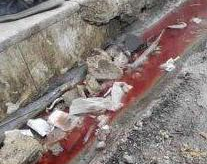
Message to Mr. Kofi Annan by لجان التنسيق المحلية في سوريا on Tuesday, 24 April
Message to Mr. Kofi Annan
by لجان التنسيق المحلية في سوريا on Tuesday, 24 April 2012 at 20:25
To Mr. Kofi Annan, UN Envoy to Damascus: This is a distress call from the women and children of the city of Douma. The visit of the United Nations monitors, under your direction, has killed us today. We request that you immediately intervene to stop the bombing and killings carried out by the regime’s army, which is punishing the entire city because we received your delegation of observers with hospitality and professionalism. We have given the observers the documents necessary to prove that the regime is in ciminal violation of the cease-fire. What is happening now is that we have a tragic situation and sustained shelling, which has signficantly increased since the morning hours, and which increased in intensity and force as of 4:00 pm, with an average of four shells per minute. Dozens of wounded and martyrs have been reported during the past 3 hours. A large number of them are still under rubble and most homes in the city have been subjected to shelling and destruction. More than 30 tanks are now shelling the city. Residents are demanding immediate intervention to protect them, since the Free Syrian Army is under fire and unable to militarily repel this full-scale military assault. We urge you to immediately send in a group of monitors who can offer some sort of protection from the heavy military assault.
The Arab League, US, EU states, GCC states, and other countries have condemned the use of violence against the protesters. China and Russia have avoided condemning the government or applying sanctions > (UN Security Council Permanent Members), saying that such methods could escalate into foreign intervention. However, military intervention has been ruled out by most countries.[60][61] The Arab League suspended Syria’s membership over the government’s response to the crisis,[62] but sent an observer mission in December 2011, as part of its proposal for peaceful resolution of the crisis. The latest attempts to resolve the crisis has been made through the appointment of Kofi Annan, as a special envoy to resolve the Syrian crisis in the Middle East. http://en.wikipedia.org/wiki/Syrian_uprising
Crimes against humanity, as defined by the Rome Statute of the International Criminal Court Explanatory Memorandum, „are particularly odious offenses in that they constitute a serious attack on human dignity or grave humiliation or a degradation of one or more human beings. They are not isolated or sporadic events, but are part either of a government policy (although the perpetrators need not identify themselves with this policy) or of a wide practice of atrocities tolerated or condoned by a government or a de facto authority. Murder; extermination; torture; rape; political, racial, or religious persecution and other inhumane acts reach the threshold of crimes against humanity only if they are part of a widespread or systematic practice. Isolated inhumane acts of this nature may constitute grave infringements of human rights, or depending on the circumstances, war crimes, but may fall short of falling into the category of crimes under discussion.“[1] http://en.wikipedia.org/wiki/Crimes_against_humanity
#Syria #humanrights #hama Koufi Annan,What’s the fault of these kids in Hama-Syria 23rd April,2012.mp4
FRENCH:24-04-2012, des scènes horribles du massacre du régime syrien à Douma
World Organization for the Defense of Human Rights المنظمة العالمية للدفاع عن حقوق الإنسان
13 February 2012 – UN High Commissioner for Human Rights Navi Pillay called on the international community to act now and protect the Syrian population. Addressing the UN General Assembly, Pillay said the Commission of Inquiry on Syria and herself have concluded that crimes against humanity are likely to have been committed in Syria. She called upon all member states to ensure that these crimes do not go unpunished.
United Nations Human Rights 13 February 2012 – Pillay: “Act now” to protect Syrian people “Each and every member of the international community must act now to urgently protect the Syrian population,” UN human rights chief Pillay said today in an address to the UN General Assembly.
She cited the onslaught on Homs, and reports suggesting widespread and systematic attacks on civilians amounting to crimes against humanity, as well as the rising risk of a humanitarian crisis in her address.
“I am outraged by these serious violations,” she told the assembled State representatives. “I am very distressed that the continued ruthless repression and deliberate stirring of sectarian tensions might soon plunge Syria into civil war. The longer the international community fails to take action, the more the civilian population will suffer from countless atrocities committed against them.”
Read the full address: http://bit.ly/yIB7g8
__________

Caption: An undated handout photograph made available by the Local Coordination Committees in Syria on 12 February 2012 shows smoke rising from a building reportedly following shelling by the Syrian army in the Bab Amr neighbourhood of Homs, Syria.
Credit: EPA
#VIDEO BBC - Syria violence: UN's Pillay speaks out on Assad culpability - UN Human Rights Commissioner Navi Pillay: "President Assad could simply issue an order to stop the killings"
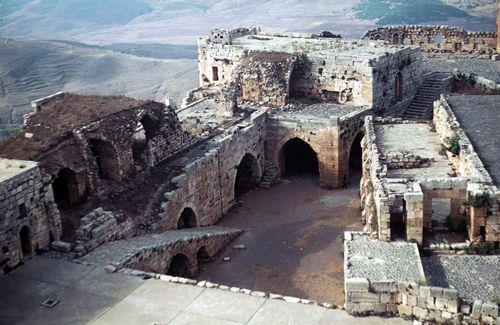
United Nations Educational, Scientific and Cultural Organization (UNESCO)
Learn more about Syria’s World Heritage Sites: http://whc.unesco.org/en/
Syrian Arab Republic: http://en.wikipedia.org/wiki/Syria
http://www.facebook.com/unitednationshumanrights
Syria: UN advisers warn that crimes against humanity may have been committed
UN Educational, Scientific and Cultural Organization (UNESCO)- Protect Syria’s Heritage!
http://www.facebook.com/Syrian.Truth
http://www.facebook.com/DCHRS Damascus Center for Human Right Studies (DCHRS)
http://twitter.com/DchrsOrg , http://www.dchrs.org/english/news.php
http://www.facebook.com/World.Organization4Human.Rights.Defence
http://www.facebook.com/CoalitionfortheInternationalCriminalCourt
http://www.un.org/en/documents/udhr/index.shtml
http://www.amnestyusa.org/our-work/issues/children-s-rights/convention-on-the-rights-of-the-child


