
Posts by admin
Bhaktivedanta, Share your Care, Eye Camp

Bhaktivedanta Hospital, Mira Road, Mumbai is once again conducting a free cataract surgery camp at Barsana village, Mathura Dist, U.P. Barsana Eye Camp is an annual feature since 1992. Every year we screen more than 2000 patients and deserving cases are operated for cataract. Barsana is surrounded by a cluster of 120 villages. The villagers here are extremely poor and could barely afford one square meal a day. There are no medical facilities in this cluster. Due to their extreme poverty and lack of medical facilities they prefer to lead a life of blindness due to cataract. Bhaktivedanta Hospital takes lot of efforts to provide them modern and quality services. This year the Bhaktivedanta Hospital will conduct the camp from 31st January to 7 February 2008. All the required equipments, medicines, lenses, surgical items, Operating microscopes etc are transported from Mumbai to Barsana.
The team of volunteers from Bhaktivedanta Hospital and congregation devotees from ISKCON, Chowpatty put their efforts together to build a fully equipped, modern and sterile operation theatre in the primary health center at Barsana. This year the team consists of 12 qualified and well known Ophthalmologists from Mumbai, more than 30 MBBS doctors, 5 Nurses and around 150 volunteers from various fields who all take a break from there respective engagements and make themselves fully available for the camp working for more than 10hrs a day without expecting anything in return.
BARSANA EYE CAMP 2010
Special featurees of the camp:
- Detailed preoperative examination of the eye.
- Advanced imported German Zeis operating microscopes are used.
- Sterilization standards and the protocols involved are of very high standards.
- Suture less surgery for cataract removal with implantation of intra occular lense in each patient.
- 24 hrs. post-operative care before discharge.
- Immediate post operative follow up camp after 4 days of discharge.
- Final follow up after 40days of discharge.
- Patients receive post-operative medicines for 40 days along with 1 blanket and black goggles totally free of cost.
- Wholesome lacto-vegetarian food for the patient and 1 relative till the patient is discharged completely free of cost.
- All the patients and relatives are treated with great love irrespective of their cast, creed and financial backgrounds.
- Children, One-eyed patients and patients requiring specialized care, who cannot be operated in the camp setup are brought to Bhaktivedanta Hospital in Mumbai, are admitted, operated and sent back to Barsana, free of cost. Over 30,000 screened & 3000 plus operated Yet millions remain to be reached. Due to the overwhelming response and dire need of the villagers we also conduct dental camp during the same period at Barsana.
- Meet SHARE YOUR CARE, friends, fans at facebook <
ISLAMIC PLANT MEDICINE AND HISTORY
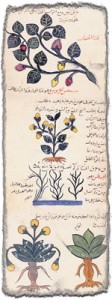
Khawass al-Ashjar, Arabic version of De Materia Medica.
www.islamicmedicine.org/natural.htm
Int. Society for the History of Islamic Medicine
Pedanius Dioscorides (Greek: Πεδάνιος Διοσκορίδης; ca. 40-90) was an ancient Greek physician, pharmacologist and botanist from Anazarbus, Cilicia, Asia Minor, who practised in ancient Rome during the time of Nero. He had the opportunity to travel extensively seeking medicinal substances from all over the Roman and Greek world. Dioscorides wrote a five-volume book in his native Greek, Περί ὕλης ἰατρικής (De Materia Medica in the Latin translation; Regarding Medical Matters) that is a precursor to all modern pharmacopeias, and is one of the most influential herbal books in history. In fact, it remained in use until about CE 1600. Unlike many classical authors, his works were not „rediscovered“ in the Renaissance, because his book never left circulation. The De Materia Medica was often reproduced in manuscript form through the centuries, often with commentary on Dioscorides‘ work and with minor additions from Arabic and Indian sources, though there were some advancements in herbal science among the Arabic additions. The most important manuscripts survive today in Mount Athos monasteries. DE MATERIA MEDICA is important not just for the history of herbal science: it also gives us a knowledge of the herbs and remedies used by the Greeks, Romans, and other cultures of antiquity. The work also records the Dacian and Thracian names for some plants, which otherwise would have been lost. The work presents about 600 plants in all, although the descriptions are obscurely phrased. Duane Isely notes that „numerous individuals from the Middle Ages on have struggled with the identity of the recondite kinds“, and characterizes most of the identifications of Gunther et al. as „educated guesses“. Read More: > HERE <
Medicine was the first of the Greek sciences to be studied in depth by Islamic scholars. During the ninth century and into the tenth, the spiritual head of Islam, Harun al-Rashid (of Arabian Nights fame), and his son, al-Ma’mun, sent embassies to collect Greek and other scientific works from throughout the region. These were taken to the “House of Wisdom,” where the entire body of Greek medical texts, including all the works of Galen, Oribasius, Paul of Aegina, Hippocrates, and Dioscorides, were translated into Arabic—manuscripts so important that one of the translators was paid for each translation by its equivalent weight in gold.
Arab pharmacopoeia came from so many sources—as far afield as China, Southeast Asia, the Himalayas, southern India, and West Africa—it was enormous. In his second volume of the Canon of Medicine, Ibn Sina (a.d. 980–1037, also known as Avicenna) describes 235 remedies, of which 97 still appear in the official British Pharmacopoeia, as well as 760 medicinal plants and their uses. Ibn Sina also laid out the rules that are the basis of clinical trials today.
Sesam Oil and tamarind not only used in Ayurveda: Like most medieval medicine, the Islamic viewpoint was an outgrowth of Galen’s Humoral Theory and focused on the need to balance the humors, or bodily fluids.
Cathartics, purges, and laxatives were considered essential to this goal. The most popular herb—an enduring favorite today—was senna, a low bush with small yellow flowers, greenish yellow leaves, and fat seed pods. The leaves have a distinctive smell, and the infusion made from them has a nauseatingly sweet taste; taken alone, the infusion does indeed produce nausea. The Arabs calmed both taste and effect by adding aromatic spices.
The Arabs also introduced manna and tamarind as safe, mild, and reliable laxatives. Scammony, a climbing plant of the morning glory family that has thick roots with medicinal value, was a controversial herb in Europe, where some practitioners declared its violent laxative action unsafe to use under any conditions, while others said they could not function without it. Islamic pharmacists responded by devising a reliable preparation to temper the herb’s ferocity but retain its potency. They did this by first boiling the scammony root inside a fruit called a quince; the scammony was then discarded and the quince pulp mixed with the soothing, gooey seeds of psyllium. The preparation was known as “diagridium.”
Formulation developed into an art involving many steps and ingredients. Ar-Razi, Islamic medicine’s greatest clinician and most original thinker, combined bitter almonds with an ounce of raisin rob, or pulp, to treat kidney stones. For the same ailment, a clinician named Haly Abbas recommended boiling jujubes, fruits of sebesten, white maude, and seeds of smallage, fennel, caltrop, and thyme.
In addition to compounds, the Arabs valued hundreds of simple herbal remedies. They used sesame oil to relieve coughs and soften rawness of the throat. Juice from the stalk and leaves of the licorice plant was considered good for respiratory problems, swollen glands, and clearing the throat, whereas the root was used to treat foot ulcers and wounds.
Myrrh, primarily known in the West as a gift from one of the Three Wise Men, was highly valued for its medicinal properties as an astringent and was also used to treat dyspepsia, chronic bronchitis, leukorrhea, and as a topical application in gum disease. In fact, it is a primary ingredient in many commercial mouthwashes today.
An Ancient Tradtion survived: Arab pharmacology was not only extensive but also the strongest empirically based biological science. Ibn Sina’s Canon laid out the basic rules of clinical drug trials, ones that are still followed today: A drug being tested must be pure, and it must work on all cases of the disease. Testing in humans, with careful notation of the drug’s effectiveness under different conditions, was the necessary final step. Observation and experimentation were the sole determinants of the value (or lack of value) of a potential treatment.
Not surprisingly, when Europe began to stir from a thousand years of intellectual slumber, it turned to the Islamic world. It was no coincidence that Salerno, Europe’s first great medical center, was close to Arab Sicily, or that the first outstanding medical university, Montpellier, was located in southern France, near the Andalusian border.
THE TIBETAN AND HIMALAYAN LIBRARY
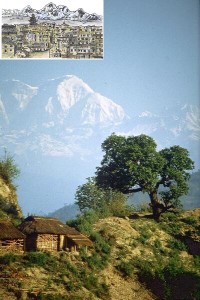
> CONTEMPORARY WRITINGS (Satis Shroff) <
Ganden Monastery (also Gaden or Gandain) or Ganden Namgyeling is one of the ‚great three‘ Gelukpa university monasteries of Tibet, located at the top of Wangbur Mountain, Tagtse County, 36 kilometers ENE from the Potala Palace in Lhasa, at an altitude of 4,300m. (The other two ‚great monasteries‘ are Sera Monastery and Drepung Monastery.)
Its full name is Ganden Namgyal Ling (dga‘-ldan rmam-rgyal gling). Ganden means „joyful“ and is the Tibetan name for Tuṣita, the heaven where the bodhisattva Maitreya is said to reside. Namgyal Ling means „victorious temple“. Read more: > HERE <
Berzin was born in Paterson, New Jersey, United States. He received his B.A. degree in 1965 from the Department of Oriental Studies, Rutgers University in conjunction with Princeton University and his M.A. in 1967 and Ph.D. in 1972 from the Departments of Far Eastern Languages (Chinese) and Sanskrit and Indian Studies, Harvard University. Read More: >HERE <
The Tibetan and Himalayan Library consists of a broad array of collaborating individuals, institutions, and communities. Its overall development is guided by an international advisory board consisting of prominent scholars, librarians, technologists, and community leaders in the field of Tibetan and Himalayan Studies from a wide range of disciplinary backgrounds, geographical/cultural foci, and institutional bases. In addition, there are a variety of editorial boards responsible for more hands-on design and content development in specific structural components of THL. In addition, THL’s structural components are populated by scores of individual projects with their own administration ranging from a single participant to a large team of participants.
While the content is the result of many institutions and individuals, the underlying technical infrastructure is largely supported by the University of Virginia’s Library and the Institute for Advanced Technology in the Humanities. The Library’s overall design and integration is supported by the University of Virginia’s Scholar’s Lab, which is committing to develop the digital collections in the 21st century. Specific technical initiatives are also supported by a small but very talented group of volunteer technologists who have played a crucial role in the development of THL. We would also make special note of THL’s technical collaboration with Tibet University’s Engineering School. More: www.uvatibetcenter.org
We are presently in the process of launching a new application for documenting our projects, participants, and organizations to be released in 2009. In the meantime, you can consult our editorial boards:
- THL Executive Board: www.thlib.org
- Medicine Collections Editorial Board
- Architecture Collections Editorial Board
- Art Collections Editorial Board
- Environmental and Cultural Geography Editorial Board
- Environment Collections Editorial Board
- Geography Collections Editorial Board
- History Collections Editorial Board
- Journal of the International Association of Tibetan Studies Editorial Board
- Language and Linguistics Collections Editorial Board
- Literature Collections Editorial Board
- Music Collections Editorial Board
- Natural Sciences Collections Editorial Board
- Religion Collections Editorial Board
- Special Collections Editorial Board
- Tibetan and Himalayan Reference Resources Editorial Board
- Tibetan Historical Dictionary Editorial Board
- Tibetan and Himalayan Collections Editorial Board
- Tibetan and Himalayan Community Resources Editorial Board
- Tibetan and Himalayan Educational Resources Editorial Board
- Tibetan and Himalayan Tools Editorial Board
- Meet Karuna Dana, friends and Studies at facebook <
„Daya Dan Volounteers Worldwide Group“
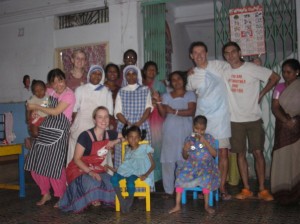
Mother Teresa (26 August 1910 – 5 September 1997), born Agnesë Gonxhe Bojaxhiu (pronounced [aɡˈnɛs ˈɡɔndʒe bɔjaˈdʒiu]), was an Albanian Catholic nun with Indian citizenship who founded the Missionaries of Charity in Kolkata (Calcutta), India in 1950. For over 45 years she ministered to the poor, sick, orphaned, and dying, while guiding the Missionaries of Charity’s expansion, first throughout India and then in other countries. Following her death she was beatified by Pope John Paul II and given the title Blessed Teresa of Calcutta. Read more: >HERE <
Daya Dan was set up in 1998, a year after the death of Mother Teresa, who adopted Calcutta as the centre of her global charitable order that now runs more than 750 centres across the world.
The Missionaries of Charity, famous for working among the sick, destitute and dying, said it was committed to serving the ideals of Mother Teresa and improving the quality of care in Daya Dan.
Nobel Peace Prize winner Mother Teresa, who founded the order in 1950 in Calcutta, died in 1997 at the age of 87.
Daya Dan is a Temple of Joy in wich the children of Blessed Mother Teresa can live their life sorrounded by the Love of many people.
The volounteers, from all over the world, granted a big help in the daily works and a lot’s of Love for this children.
To be a volounteer it’s very easy: you just need to go to kolkata and present yourself in Mother House (54/A A.J.C. Bose Road), or in monday or in fryday, at 3 pm for registration and ask to serve in Daya Dan.
> www.worldprayers.org from all traditions <
Where there is hatred, I may bring love, where there is wrong, I may bring the spirit of forgiveness, where there is Discord, I may bring Harmony, where there is Error, I may bring truth. – Mother Theresa
You will work with this children and will happen to you what’s happened to us: you will enter in a Love wich have no exit.
Peace and Joy will take your life and your whole being. You will understand that what is inside you is inside everybody and you will experience to be one with all.
All the volounteers says „We are one“, because we show each other to be ready to help everybody, to take care of everybody.
Each volounteer is a treasure for umanity and a real friend.
Are you ready to be volounteer?
> Meet Daya Dan Volounteers Worldwide Group and Fans at fb <
ÖSTERR. AYURVEDA WOHLFÜHLPRAKTIKER
> EUROPÄISCHE AKADEMIE FÜR AYURVEDA <
> Ayurveda-Wohlfühl-Praktiker <
Wellness . Massage . Gesundheit . Beratung
Inhalte (gemäß Ausbildungsprofil des Bundesministeriums für Wirtschaft u. Familie BGBl. II) § 18 Abs. 1 der Gewerbeordnung 1994 . Berufsbegleitende Ausbildung über 3 Jahre. Entspricht der gesetzlichen Regelung gemäß Erlass des Bundesministerium für Arbeit u. Wirtschaft (MMWA-30.599/ 0243-l/7/2006) / Ayurveda-Wohlfühl-Praktiker
Aus- und Fortbildungen auch in Deutschland und in der Schweiz. Alle Termine auch online ! Fordern Sie unser Infomaterial an und abonnieren Sie den > Newsletter < mit Tipps & Spezialangeboten !
Ayurveda-Praktiker (Österreich) – Gesamtausbildung / AWPW2:
Das dreijährige Studium zum anerkannten Ayurveda-Praktiker bietet die fachliche und rechtliche Grundlage, um Ayurveda als hochwertiges Wellnessangebot in Österreich erfolgreich anzubieten.
Die fundierte Praxis-Ausbildung wird von langjährig erfahrenen und international bekannten Ayurveda-Ärzten und Therapeuten geleitet und vermittelt die Ayurveda-Massage, -Ernährung, -Psychologie und -Schönheitspflege nach ausgezeichneten Unterrichtskonzepten und mit umfangreichem Begleitmaterial. Neben vielen praktischen Techniken und Behandlungsverfahren werden auch neue Wege aufgezeigt, um Ayurveda mit einem innovativen Marketing erfolgreich in der eigenen gewerblichen Praxis oder im gehobenen Spa-Segment umzusetzen.
> Meet Pentavox Herbals, Ayurveda (Biggest Ayurveda Group on fb) <
> Meet FREE Visa to India for MBA, Degree Programms & it jobs at fb<
> Meet all Ayurveda Groups and Friends at facebook <
> Meet Dhanvanthari Groups and Friends at facebook <
> Meet NaturalNews.com at facebook <
NaturalNews.com is an independent news resource that covers the natural health and wellness topics that empower individuals to make positive changes in their personal health. NaturalNews offers uncensored news that allows for healthier choice.
AYURVEDA, TRIPHALA, BITTERSTOFFE
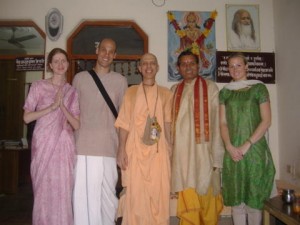
(Iskcon Devotees at Pulsediagnosis)
> HILDEGARD MAITRUNK FRÜHLINGSKUR <
> AYURVEDISCHE REINIGUNGSMASSNAHMEN <
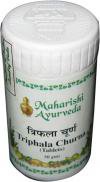
Triphala is an Ayurvedic herbal RASAYANA formula consisting of equal parts of three myrobalans, taken without seed: Amalaki (Emblica officinalis), Bibhitaki (Terminalia bellirica), and Haritaki (Terminalia chebula), with potential anti-cancer properties. The word triphala (better triphalÄ�, from Hindi/Sanskrit: त्रिफला, pronounced [trɪˈpʰɐlɑ], widely mispronounced [triˈfɑːlə] or [triˈfæːlə] among English speakers) means literally “three fruits”. Read More: > HERE <
-
madhura–süß
-
amla– sauer
-
lavana–salzig
-
katu–scharf
-
tikta–bitter
-
kashai–herb
Für eine optimale Gesundheit und eine optimale Ernährung sollten die sechs Geschmacksrichtungen in einem ausgewogenen Verhältnis in der Nahrung vorhanden sein.
Dieses ayurvedische Prinzip der sechs Geschmacksrichtungen nimmt auch eine Schlüsselstellung in der Wissenschaft der Zubereitung ayurvedischer Kräuterpräparate ein. Menschen, die Pitta und Kapha ausgleichen müssen, sollten allgemein mehr bittere und herbe Nahrungsmittel zu sich nehmen.
Die ayurvedischen Churnas bzw. Gewürzmischungen sind eine praktische und bequeme Art, diese Geschmacksrichtungen in die Ernährung zu integrieren. Die westliche Ernährungsweise neigt hauptsächlich zu süßen und saueren Geschmacksrichtungen. Zu den süßen Nahrungsmitteln rechnet man Weizenprodukte wie z.B. Brot, Zerealien (Haferflocken, Müsli) und Nudeln, außerdem Reis, Milch, Eis und andere Süßspeisen.
Zu den saueren Nahrungsmitteln gehören Nahrungsmittel, die aus Tomaten hergestellt wurden wie Ketchup und Nudelsaucen, außerdem Käse, Zitrusfrüche und sauere Fruchtsaftgetränke. Zu viel von diesen saueren Nahrungsmitteln erzeugen zu viel Hitze im Körper und Menschen mit Übersäuerung oder anderen Anzeichen eines Pitta-Ungleichgewichts sollten diese reduzieren oder möglichst vermeiden. Bitteres trägt dazu bei, Pitta und Kapha auszugleichen. Es reduziert die Wasserspeicherung und wird als Stärkungsmittel für eine blockierte Leber verwendet. Es reinigt und trägt dazu bei, Brennen und Jucken zu verringern. Im Übermaß angewendet, kann es Vata erhöhen und den Körper austrocknen. Herbe Nahrungsmittel reinigen das Blut und tragen ebenfalls zum Ausgleich von Pitta und Kapha bei, im Übermaß erzeugen sie Gase und Verstopfung.
Beispiele für Nahrungsmittel und Gewürze mit bitterem und herbem Geschmack:
-
Bitter: Bittermelone und Kürbis· Japanische Aubergine· Kurkuma (Gelbwurz)· Bockshornkleesamen· grünes Blattgemüse· Gerste· Basilikum· Brennessel· Kopfsalat· Aloe Vera
-
Herb: Apfel· Granatapfel (schmeckt sauer auf der Zunge, ist aber sowohl herb als auch bitter)· Birne· Quinoa· Hülsenfrüchte· Tofu· Sprossen· Bohnen
Versuchen Sie, einige dieser Nahrungsmittel in Ihren täglichen Speiseplan aufzunehmen. Eine einfache Art, den bitteren Geschmack zu integrieren, ist es, dem Essen beim Kochen Bockshornkleesamen zuzufügen. Ein Teelöffel Bockshornkleesamen pro Tag ist eine sehr gute Art, mehr von dem ausgleichenden bitteren Geschmack im Essen zu haben. Sie können sie in Ghee anbraten und dann Ihr Gemüse zufügen oder Sie geben sie einfach während des Kochens zu.
Kurkuma (Gelbwurz) ist sowohl bitter als auch herb. Es wird als blutreinigend und antioxidant angesehen. Ein Teelöffel davon pro Tag, den Sie in Ihrem Essen mitkochen, ist eine ausgezeichnete und billige Gesundheitsvorsorge und ist eine wunderbare Art, Ihre Aufnahme an Antioxidantien zu erhöhen.Granatapfelkerne schmecken sauer, sind aber sowohl herb als auch bitter und sind nicht pitta-erhöhend.
In den ayurvedischen Schriften werden Granatapfelkerne als pittaausgleichende Früchte und als wunderbares Herzstärkungsmittel bezeichnet. Aus Granatapfelkernen kann man leckere Tunke und Chutneys machen, die man täglich essen kann, besonders im Sommer, wenn das Pitta Dosha leicht aus dem Gleichgewicht gerät.
-
Triphala corrects constipation, cleanses and tonify the gastro intestinal tract.
-
Detoxifies the whole body and improves digestion and assimilation
-
Triphala reduces high blood pressure and hypertension and improves blood circulation.
-
Very effective in Irritable bowel syndrome and ulcerative colitis.
- Highly anti inflammatory, anti viral and also stimulates bile flow and peristalsis.
- Triphala is also helpful in liver disorders, acts as an expectorants and corrects diverticulitis. ( Diverticulosis )
-
Dose – 2-2 tablets after lunch and dinner ( before sleeping ) with luke warm water.
Many companies now a day making triphala but its my own believes Maharishi Triphala tablets are best. And have excellent result compare to other Companies and they are not expensive just 10$ cost for 100 tablets.
For any information, question , doubt, quarries, can mail me any time or put question on wall .. also for your suggestion can put in wall.. all information that is transformation of knowledge..
> AYURVEDA4UALL… AT FACEBOOK. <
> RASAYANA in der Ayurvedatherapie <
vaidyajitripathi@gmail.com
can send me text.
+91-9958504088
> Dein Ayurveda Net: ….. > Ayurveda, Ursprung, Geschichte <
> Meet Herbals and Naturals and friends at facebook <
> Meet all Ayurveda Groups, Friends, Studies at facebook <
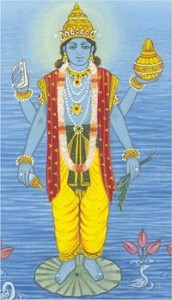
> Meet Lord Dhanvantri at facebook <
> HAPPY BIRTHDAY SWAMI JI…..
KUMBHA MELA 2010, GANGA, HOLY RIVERS

Kumbh Mela (Devanagari: कुम्भ मेला) is a mass Hindu pilgrimage. It occurs after every twelve years and rotates among four locations: Prayag (Allahabad) at the confluence of the Ganga and Yamuna and mythical Saraswati river, Haridwar along the Ganga river, Ujjain along the Kshipra river and Nashik along the Godavari river. The Ardh Kumbh Mela is celebrated every six years at Haridwar and Prayag, while the Purna (complete) Kumbh takes place at four places Prayag (Allahabad),Haridwar,Ujjain,and Nashik after every twelve years. Over 45 days beginning in January 2007, more than 17 million Hindu pilgrims took part in the Ardh Kumbh Mela at Prayag, and on January 15, the most auspicious day of the festival of Makar Sankranti, more than 5 million participated. The Maha Kumbh Mela (‚Great‘ Kumbh Mela) which comes after 12 ‚Purna Kumbh Melas‘ which is after every 144 years is also held at Allahabad. The 2001, Maha Kumbh Mela was attended by around 60 million people, making it the largest gathering anywhere in the world. Read More > HERE <
The observance of Kumbh Mela dates back many centuries in Ancient India, to the Vedic period, where the river festivals first started getting organised.
* The Dalai Lama at the Kumbh Mela *
In Hindu mythology, its origin is found the one of the popular creation myths and the Hindu theories on evolution, the Samudra manthan episode (Churning of the ocean of milk), which finds mention in the Bhagavata Purana, Vishnu Purana, the Mahabharata and the Ramayana.
The pilgrimage occurs four times every twelve years, once at each of the four locations. Each twelve-year cycle includes the Maha (great) Kumbha Mela at Prayag, attended by millions of people, making it the largest pilgrimage gathering around the world.
- ABOUT KUMBH: http://www.kumbh2010haridwar.gov.in/
- History Of KUMBH
- About GANGA
- About YOGA
- About HIMALAYAS
- AYURVEDA & PANCHAKARMA
- About Akhara
- Bathing Ghats
- Bathing Dates
- Facilities
- Infrastructure
- Security
- Other Imp. Links
- …and more….
- > Meet Kumbh Mela friends, groups, fans at fb <
KASHMIRI OVERSEAS ASSOCIATION, INC.
> SAVE A SMILE, Sponsor a Child <
> KASHMIR SHIVAITEN IM HIMALAYA <
> Kashmiri Overseas Association USA <
The KOA organization has its origins in the early meetings of several Kashmiri > Pandit < families in the Washington D.C. and Maryland areas. These families soon came to realize the importance of building a community structure which could include other families too in a bond for mutual preservation and growth. As more families and members joined the founding group, the organization evolved to become a national outfit with regional chapters, documented bye-laws, systems and procedures as well as a non-profit status to better seek donations and pursue community actions.
The KOA Community: > * H E R E *<
Shriya Bhat Mission Hospital and Research Center: Since then the hospital is working as a multi-disciplinary clinic. Over the years some amenities have been added like an air conditioner, refrigerator, ECG machines, glucometers, nebulizers, traction apparatus etc. A medical van has been kept at the disposal of the sick patients. The Center is open to every body irrespective of cast or creed, region or religion.
There is a work force of consultants in internal medicine, neurology, general surgery, urology, orthopedics and dermatology in regular attendance. Patients are registered for examination and treatment round the week. The mission hospital has so far rendered its services to more than 35 thousand patients. All the patients receive a free 3-4 week supply of available medicines. A mini laboratory helps with some basic investigations, again conducted free on the patients.
Sharda Peeth Rishi Model School, Udhampur, J&K: In 1990, terrorism and sectarian violence caused nearly 500,000 Kashmiri Hindus to flee the land of their ancestors, the fabled valley of Kashmir in the Indian state of Jammu and Kashmir. These victims of terrorism, refugees in their own country, left behind virtually all of their worldly possessions as they had to flee under threat to life and honor.
As in most situations, the worst sufferers of this violence were the children of this displaced people. With their parents consumed with, yet often unable to, provide the basics of living to their families these unfortunate children were often left without the only hope for a better life – a healthy education.
The Rishi Memorial School was started in the mid-1990s with contributions from a group of US-based Indian-Americans concerned for the future of these indigent children. This remarkable experiment in social self-service began with only about a dozen students and one teacher.
Save a Smile – Sponsor a Child: The refugee camps in Jammu and Kashmir house hundreds of thousands of Kashmiri Pandits displaced from their homes as a direct result of the Islamic militancy in the valley. This tragedy has resulted in children being denied the opportunities that we take for granted. Since 1995, the Kashmiri Overseas Association, USA has implemented the Sponsor-A-Child Program for the age group 5 year olds to 17 year olds. This program aims to provide educational opportunities to the children directly affected by the tragedy. While individuals worldwide have contributed to these programs more children are in need of our financial support than currently available funds can support, there are many more that deserve our assistance. Goal: To provide tuition, school supplies and living expenses to school children who are currently living in refugee camps.
Religion – The religious practices of Hindus of Kashmir (popularly known as Kashmiri Pandits) revolve around the worship of Shiva and Shakti. All other deities (gods and goddesses) of the traditional Hindu pantheon are worshipped as various manifestations of Shiva and Shakti. Shiva is the Supreme Lord of the universe and Shakti, the Universal Mother Goddess, is his eternal companion.
Region Kashmir: Poetry of Nature – Set like a jewelled crown on the map of India, Kashmir is a many-faceted diamond, changing its character with the seasons always extravagantly beautiful. Three Himalayan ranges – Karakoram, Zanskar and Pir Panjal – snow-capped, majestic, frame the landscape from northwest to northeast. They are the birthplace of great rivers which flow down into the valleys below, forested with wild orchards and lily laden lakes.
BYO, Yogaverband Österreich: www.yoga.at : > ”Eintreten in das göttliche Bewusstsein” < , Ref.: Bettina Bäumer, Ort: St. Virgil Salzburg, 23.07.10 – 25.07.10
- Programs: http://koausa.org/koa/
- Sponsor-A-Child
- Educational Assistance Program
- Rishi Memorial School
- Medical Funds
- Shriya Bhatt Mission Hospital
- Achievement Awards
- Awards & Recognitions
- Success Stories
- Projects
- Downloads
- Official Records
- Applications & Brochures
- Publications
- Newsletters
- and more…
DIE VEDEN, PURANAS, (free) DOWNLOAD´s

> UNESCO PUBLISHING – PURANAS, YOGA <
(or the Bhagavat Purana)
The Vedas are among the oldest sacred texts. The Samhitas date to roughly 1500–1000 BCE, and the „circum-Vedic“ texts, as well as the redaction of the Samhitas, date to c. 1000-500 BCE, resulting in a Vedic period, spanning the mid 2nd to mid 1st millennium BCE, spanning the Late Bronze Age and the Iron Age.The Vedas (Sanskrit वेद véda, „knowledge“) are a large body of texts originating in Ancient India. Composed in Vedic Sanskrit, the texts constitute the oldest layer of Sanskrit literature and the oldest scriptures of Hinduism. The class of „Vedic texts“ is aggregated around the four canonical SaṃhitÄ�s or Vedas proper (turÄ«ya), of which three (traya) are related to the performance of yajna (sacrifice) in historical (Iron Age) Vedic religion: 1.the Rigveda, containing hymns to be recited by the hotṛ or chief priest; 2.the Yajurveda, containing formulas to be recited by the adhvaryu or officiating priest; 3.the Samaveda, containing formulas to be chanted by the udgÄ�tṛ. The fourth is the Atharvaveda, a collection of spells and incantations, stories, predictions, apotropaic charms and some speculative hymns. Read More: >HERE <
Das Wort Veda heißt zwar einfach übersetzt „Wissen” oder auch „Wissenschaft”, in der indischen Kultur hat dieses Wort jedoch eine vielfältige Bedeutung und vielfältige Bezüge.
Mit Veda im engeren Sinne bezeichnet man sehr alte Textsammlungen, die zu den ältesten sprachlichen Überlieferungen der Menschheit gehören und den Hindus heilig sind.
Im engeren Sinne zählt man vier Veden:
- den Rigveda,
- den S�maveda,
- den Yajurveda und
- den Atharvaveda.
Diese vier Veden, die zu großen Teilen schon um etwa 1000 v. Chr. ihre heutige Gestalt hatten, enthalten Hymnen und Formeln, die bei großen religiösen Ritualen verwendet werden, indem sie rezitiert, gesungen oder gesprochen werden.
Der Wortlaut der Veden, insbesondere des Rigveda, war in Indien so heilig, dass über Generationen große Anstrengungen darauf verwendet wurden, diesen Wortlaut korrekt zu überliefern. Es ist eine einzigartige Kulturleistung der vedischen Schulen, dass wir heute – nach über dreitausend Jahren – noch genau wissen (und hören), wie diese Hymnen korrekt ausgesprochen wurden ! Noch heute dienen vedische Hymnen rituellen Zwecken, wie zum Beispiel bei der hinduistischen Hochzeitszeremonie.
Nach traditioneller Auffassung sind diese Veden nicht menschlichen Ursprungs, sie sind vielmehr von großen Weisen (den Rishis) „gehört” worden. (Siehe Beitrag “RISHI”) im Anschluss auf diesen Artikel). Den ganzen Beitrag lesen : > HERE <
THICH NAHT HANH, BAT NHA, ZEN

Thích Nhất Hạnh pronounced [tʰǐk ɲə̌t hâːˀɲ] ( listen); born October 11, 1926 in central Vietnam) is an expatriate Vietnamese Zen Buddhist monk, teacher, author, poet and peace activist. He joined a Zen monastery at the age of 16, studied Buddhism as a novice, and was fully ordained as a monk in 1949. The title Thích is used by all Vietnamese monks and nuns, meaning that they are part of the Shakya (Shakyamuni Buddha) clan. In the early 1960s he founded the School of Youth for Social Services (SYSS) in Saigon. This grassroots relief organization rebuilt bombed villages, set up schools, established medical centers, and resettled families left homeless during the Vietnam War. He traveled to the U.S. to study at Princeton University, and later to lecture at Cornell University and Columbia University. His main focus at the time however, was to urge the U.S. government to withdraw from Vietnam. He urged Martin Luther King, Jr. to publicly oppose the Vietnam War; King nominated Hanh for the Nobel Peace Prize (January, 1967).
Thich Nhat Hanh has become an important influence in the development of Western Buddhism. His teachings and practices aim to appeal to people from various religious, spiritual, and political backgrounds, intending to offer mindfulness practices for more Western sensibilities.He created the Order of Interbeing in 1966, establishing monastic and practice centers around the world. As of 2007 his home is the Plum Village Monastery in the Dordogne region in the South of France and he travels internationally giving retreats and talks. He coined the term Engaged Buddhism in his book Vietnam: Lotus in a Sea of Fire. Read More: > HERE <
„Peace is every step“ — Thich Nhat Hanh (1991)
Thich Nhat Hanh is a Vietnamese Buddhist monk, poet, scholar, and an activist for human rights and world peace. In 1967, Nhat Hanh was nominated by Dr. Martin Luther King, Jr., for the Nobel Peace Prize. Unfortunately, no Peace Prize was awarded that year. Nhat Hanh is the author of more than 100 books, including „Being Peace“ and „Peace is Every Step“. This Facebook group was started to propose that Thich Nhat Hanh should be nominated as a Candidate for the Nobel Peace Prize 2010.
Zen is a school of MahÄ�yÄ�na Buddhism, translated from the Chinese word Chán to Japanese. This word is in turn derived from the Sanskrit dhyÄ�na, which means „meditation“ (see etymology below).
Zen emphasizes experiential prajñÄ�, particularly as realized in the form of meditation, in the attainment of enlightenment. As such, it de-emphasizes theoretical knowledge in favor of direct, experiential realization through meditation and dharma practice.
The establishment of Zen is traditionally credited to be in China, the Shaolin Temple, by the Southern Indian Pallava prince-turned-monk Bodhidharma, who came to China to teach a „special transmission outside scriptures“ which „did not stand upon words“. The emergence of Zen as a distinct school of Buddhism was first documented in China in the 7th century AD. It is thought to have developed as an amalgam of various currents in MahÄ�yÄ�na Buddhist thought — among them the YogÄ�cÄ�ra and MÄ�dhyamaka philosophies and the PrajñÄ�pÄ�ramitÄ� literature — and of local traditions in China, particularly Taoism and Huáyán Buddhism. From China Zen subsequently spread south to Vietnam, and east to Korea and Japan. Read More: > HERE <
> Meet Candidate for Nobel Peace Prize 2010: Thich Nhat Hanh at fb <
> Meet all Thich Nhat Hanh friends, studies, groups at fb <
> Meet all Zen Buddhism friends, studies, groups at fb <
DIPLOMA COURSES IN TIBETAN STUDIES

Tibet (Tibetan: བོད་; Wylie: bod, Chinese: 西藏; pinyin: XÄ« Zàng) is a plateau region in Asia and disputed territory, north of the Himalayas. It is home to the indigenous Tibetan people, and to some other ethnic groups such as Monpas and Lhobas, and is now also inhabited by considerable numbers of Han Chinese people. Tibet is the highest region on earth, with an average elevation of 4,900 metres (16,000 ft). It is sometimes referred to as the roof of the world. Read More: > HERE <
Tibet Center – I.I.H.T.S.
International Institute of Higher Tibetan Studies is a non-profit association and recognized by the Austrian law.
Tibet Center – I.I.H.T.S. is under the patronage of His Holiness the Dalai Lama and supported by the Carinthian Government.
Tibet Center – I.I.H.T.S. offers authentic Tibetan Studies and knowledge through seminars, lectures, workshops, short- and longterm courses, cultural events and exhibitions. Its aim is to benefit the mental and physical well-being of society as well as the development of happiness and peace in the world. Furthermore I.I.H.T.S. promotes human values and the preservation of the precious Tibetan cultural heritage.
Tibet Center – I.I.H.T.S. aims to bring together different cultures and fosters the dialogue among religions. It is an academic institution that is specialized in providing authentic knowledge of different subject areas in the Tibetan culture. I.I.H.T.S. is unique in the West: it is the only institution that offers Tibetan Medicine and Buddhist Science & Philosophy. Only the Tibetan University in Varanasi, India is alike.
I.I.H.T.S. is open to everyone who is interested and wants to explore the Tibetan culture.
Future project plans are:
- Therapy Center of mental and physical well-being will start in Autumn 2009
- Private University of Higher Tibetan Studies is planned to be realized in 2010
Our mission is:
- the promotion and strengthening of human values and universal responsibility
- the preservation and further development of the precious Tibetan cultural heritage
- to benefit others by sharing this knowledge
- the promotion of mutual understanding between different cultures, religions & thoughts through dialogue
- Meet Tibet Friends, Arts, Studies at facebook <
- Meet Dalai Lama Groups and Friends at facebook <
- Meet Buddhism, Studies, Friends at facebook <
AYURVEDA FOOD DIET, DOSHA´s, YOGA
> AYURVEDA4YOU ALL, SAMA DOSHA <
> Natural Institute of Ayurveda <
> AYURVEDIC LIFESTYLE & DAILY ROUTINES <
Ayurveda (DevanÄ�garÄ«: आयुर्वेद, the ’science of life‘) is a system of traditional medicine native to the Indian Subcontinent and practiced in other parts of the world as a form of alternative medicine. In Sanskrit, the word Ayurveda consists of the words Ä�yus, meaning ‚life‘, and veda, meaning ‚related to knowledge‘ or ’science‘. Evolving throughout its history, Ayurveda remains an influential system of medicine in South Asia. The earliest literature of Ayurveda appeared during the Vedic period in India.The Sushruta Samhita and the Charaka Samhita were influential works on traditional medicine during this era. Ayurvedic practitioners also identified a number of medicinal preparations and surgical procedures for curing various ailments and diseases.Ayurveda is considered to be a form of complementary and alternative medicine (CAM) within the western world, where several of its methods, such as the use of herbs, massage, and Yoga as exercise or alternative medicine, are applied on their own as a form of CAM treatment
Ayurveda is grounded in a metaphysics of the ‚five great Elements‘ (DevanÄ�garÄ«: [महा] पञ्चभूत; earth, water, fire, air and ether)—all of which compose the Universe, including the human body.Chyle (called Rasa dhatu), blood (called Rakta dhatu), flesh (called Mamsa dhatu), fat (called Medha dhatu), bone (called Asthi dhatu), marrow (called Majja dhatu), and semen or female reproductive tissue (called Shukra dhatu) are held to be the seven primary constituent elements (DevanÄ�garÄ«: सप्तधातु) of the body.Ayurveda stresses a balance of three Humors or Energies: vata (wind/air), pitta (bile) and kapha (phlegm). According to Ayurveda, these three regulatory principles— Doshas (DevanÄ�garÄ«: त्रिदोष)—are important for health, because when they are in balanced state, the body is healthy, and when imbalanced, the body has diseases. Ayurveda hold that humans possess a unique combination of Doshas. Read more: > HERE <
Yoga per se, does not say much about diet, except that we should be ‚Mitahari‘ (Mita-Ahar-ee), ‚Mita‘ meaning ‚proportionate‘ or ‚enough to nourish‘, and ‚Ahar‘ meaning ‚food‘. ‚Mitahar therefore, has come to mean ‚moderation in eating‘. But, we know, it is not enough to be moderate in intake of pebulum. It is not enough to mind the quantity of food; quality of food ingested is of even greater importance. In Yoga shastras, Mitahar has been described as diet that is
- Palatable,
- Nutritious,
- Providing various ‚Dhatu‘ (literally meaning ‚Minerals‘),
- Containing dairy produce such as milk, yogurt, butter or butter-milk,
- Eaten in moderation, and
- Eaten in a spirit of dedication to the Divine.
The last aspect is akin to the saying of grace at the dinner table by devout Christians.
Hindu shastras also speak about the three ‚Guna‚ of food, ‚Guns‚ meaning quality. ‚Sattwic‚ food is variously understood as ‚contributing to serenity‘, ‚providing the essentials‘, Keeping the human organism sweet and clean‘, etc. ‚Rajasic‚ food contributes to dynamism and other requisite qualities needed by a householder or housewife. ‚Tamasic‚ food is strong in taste or smell and can be ‚heaty‘ or ‚exciting passions‘.
Revelations of Science & Yoga, Diabetes
In the light of modern nutritional researches, we have to find out the ideal diet which is both ‚Mita and Sattwic, so that the Yoga practitioner benefits therefrom both physically and mentally. Let us find out whether Yoga should favour the intake of flesh, fish or fowl. What does human anatomy and physiology tell us? Read More: > HERE <
- YOGAH AND SHODANA: > HERE <
-
ABOUT DIET IN AYURVEDA :
SWAMI SIVANANDA – FREE BOOK´s
SERVE, LOVE, GIVE, PURIFY
MEDITATE, REALISE
So Says Sri Swami Sivananda
Saraswati Maharaj
Swami Sivananda Saraswati (September 8, 1887—July 14, 1963) was a Hindu spiritual teacher and a well known proponent of Sivananda Yoga and Vedanta. Sivananda was born Kuppuswami in Pattamadai, in the Tirunelveli district of Tamil Nadu. He studied medicine and served in Malaya as a physician for several years before taking up monasticism. He lived most of the later part of his life near Muni Ki Reti, Rishikesh. He is the founder of The Divine Life Society (1936), Yoga-Vedanta Forest Academy (1948) and author of over 200 books on yoga, vedanta and a variety of other subjects. He established Sivananda Ashram, the location of the headquarters of The Divine Life Society (DLS), on the bank of the Ganges at Shivanandanagar, at a distance of 3 kilometres from Rishikesh. Sivananda Yoga, the yoga form propagated by him, are now spread in many parts of the world through Sivananda Yoga Vedanta Centres, but these centres are not affiliated with Swami Sivananda’s original ashrams which are run by the Divine Life Society. Read more: > HERE <
Nurse the Sick, Feed the Hungry, Clothe the naked, This is DIVINE LIFE..
…..Swami Sivananda
Swami Sivananda, one of the greatest Spiritual masters of the 20th century, he is famous for his teachings, his books, his medical missions and so much more. He was also a great master of Yoga. Sadly most people in the west just equate Him with yoga, only a few know he was so much more than this.
His Early Life
Born in 1887 in Pattamadai, Tamil Nadu, South India, Swami Sivananda whose name was then Kuppuswami, was a brilliant boy at studying as well as gymnastics and naturally inclined toward spiritual and religious practices.
His parents were very devoted to Lord Siva and Kuppuswami was eager to join them twice daily for worship (Puja) and Kirtan (Mantra chanting).
His natural selfless spirit lead him to a career in the medical field. His amazing eagerness and ability to learn and assimilate his studies earned him the respect of his professors who invited him to attend surgeries while still in his first year of medical school.
Dr. Kuppuswami
The young Dr. Kuppuswami felt a strong urge to go to Malaysia where he felt there was great need. In a short time he was given the responsibility of running a hospital. During these years Dr. Kuppuswami was renowned as being both an excellent doctor and a true humanitarian. Very often he waived consultation fees for patients too poor to afford his services and on many occasions provided medicine for free to his neediest patients.
One day Dr. Kuppuswami had the opportunity to cure a wandering Sannyasin (renunciate or Monk) who then gave the doctor instruction on Yoga and Vedanta. From that day on his life changed, and gradually Dr. Kuppuswami became more introspective and could not stop pondering the great questions of life. Now he felt the need to help people on a more profound level, not just healing their physical body, but helping them to find a cure for all suffering.
The Great Sannyasin Swami Sivananda
Filled with a tremendous desire for spiritual growth and enlightenment Kuppuswami went to North India in search of his Guru. After spending time in Varanasi (Banaras) he travelled north to the Himalayas. There in the holy town of Rishikesh (which means „the abode of the sages“) Kuppuswami discovered his Guru who gave him Sannyas (a monk’s vows of renunciation). After taking these vows, Swami Sivananda Saraswati, as he would be known henceforth, started an extremely intense daily Sadhana (spiritual practices) and Tapas (austerities) for the next 10 years or so. By the end of that period many co-Sadhus felt drawn to Swami Sivananda for his instruction and his spiritual inspiration.
Swami Sivananda, The World Teacher
From that time Swami Sivananda became one of the most prolific Yoga teachers who has ever existed. Although he rarely left the little town of Rishikesh (with only 2 India tours and no visits abroad) Swami Sivananda’s teachings spread quickly throughout our entire planet. He personally wrote – by hand, no computers at the time 🙂 – more than 200 books on topics connected to Yoga and Philosophy. He wrote in a style that is very direct and bursting with dynamic, spiritual energy. As a result many who read his books felt their lives deeply touched and transformed and so came from all of India, all of the world, to learn from him directly, and to bask in his holy presence. The teachings of Master Sivananda are summarized in these 6 words: „Serve, Love, Give, Purify, Meditate, Realize“.
Heritage of Swami Sivananda
His Legacy: Gurudev Swami Sivananda was a very versatile man, and his personality and life had many facets. It is, therefore, difficult to pinpoint any particular legacy as his sole legacy. Some of them are: (a) a large band of sannyasin and non-sannyasin disciples of very high spiritual states; (b) his writings; (c) the Divine Life Society; (d) free medical aid to the poor through the free medical camps, charitable hospitals and dispensaries and the leprosy relief colonies; (e) his own exemplary life as reflected in so many biographies.
A) Disciples: When Gurudev was asked what is his legacy, he had pointed out that Swami Chidananda is his legacy. Even if he had not left behind anything else worth mentioning, Gurudev would have been remembered respectfully for a very long time as the Guru of his great disciples. A guru who can give to the mankind a saint of the caliber of Swamiji must be himself a great saint. Gurudev continues to live through his disciples and his teachings. In fact, Gurudev gave many capable sannyasins who initiated a new spiritual awakening throughout the world through the institutions they established and through their writings.
B) His Writings: A common problem with the spiritual literature is that the reader is lost in the maze of the words, verbosity and intricacy. He fails to understand what the writer has to convey. But, Gurudev had a distinct inimitable style of his own. He did not write scholarly or erudite treatises of abstruse and abstract principles. He wrote in easy-to-understand simple language. His was the language of the heart. The force of his Experience took shape of a powerful fountain through his pen. His writings were more like a father speaking a few words of advice to his son, or a guru to his disciple. He preached only that which he had practised to perfection. As such, his words had spiritual vibrations and force that will penetrate the hearts of the readers. His writings continue to guide and inspire many thousand of spiritual seekers even today. His books are always in good demand, and will continue to be in future also.
C) The Divine Life Society: The Divine Life Society was founded by the great Saint and Sage of modern times, Swami Sivananda, in the year 1936. It was founded for resuscitating the higher values of life beyond the limitations of perceptional and cognitional evaluations of life. The Founder’s main intention was to awaken humanity towards the ways and means of imbibing in one’s life the characteristics of Ultimate Reality, veritably God-Realisation.
Towards this end a vigorous disciplinary process has to be undergone by imbibing in one’s personal life the other associated values, such as the social, ethical, and austere principles, all which have to be set in tune harmoniously with everything that is considered as part of one’s life at any stage of one’s existence in this world. This is briefly the great vision of the Founder, Swami Sivananda.
D) Medical Aid: Helping the poor was the main mission of Gurudev’s life. Be good, do good was his mantra. Even during the days of most intense sadhana, he had continued to serve others, mainly the poor. In the year 1927, he started Satya Sevashram, a charitable dispensary. And when he moved to this side on Ganga on January 17th 1934, on the very same day he started a charitable dispensary. He kept one room for this purpose though there was acute shortage of rooms. Major General Dr. A.N. Sharma and good many eminent specialist doctors were Gurudev’s disciples. They imbibed Gurudev’s spirit, and Gurudev organised free medical camps with their help from 1950 onwards. Swami Chidananda became the champion of the leprosy-affected persons. The Divine Life Society established three leprosy relief colonies and gave direct and indirect help to two others. The Society looked after these partially disabled persons provided physiotherapy, rehabilitation, and even built houses for them. Sivananda Home is providing invaluable service to the poorest of poor destitutes.
E) Exemplary Life: As per the ancient Indian tradition, guru’s life itself is his best teachings. The disciples learn more from his exemplary life than his writings. The best example of this tradition is found in Gurudev’s life. All about his life was a lesson for his disciples. All those who came in his contact found an invisible force leading to spiritual elevation. Even during his own lifetime more than a hundred biographies were written on him, and more have come out afterwards also.
Swami Sivananda made Swami Chidananda head of the Ashram before taking Mahasamadhi.
The only legitimate ashram and organization to use Swami Sivananda’s name is Sivananda Ashram in Rishikesh aka Divine Life Society (this is the ashram/organization founded by Swami Sivananda).
There are many other organizations (many of them being Yoga centers) using his name to make monetary gain by exploiting the Sivananda name.
Hari Om.
- Official Sivananda Websites:
JAISIYARAM: YOGA, AYURVEDA, SOZIALES
WILLKOMMEN AUF JAISIYARAM.COM!
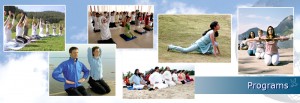
Man kann in Workshops zu den Chakras, über Yoga oder Ayurveda teilnehmen oder auch zu einer individuellen Heilsitzung, einer Meditation oder einer Chakra Tanz Party kommen.
Auf dieser Internetseite findet ihr Information zu all diesen Aktivitäten sowie verschiedene Möglichkeiten, wie ihr von dieser wundervollen Energie profitieren könnt.
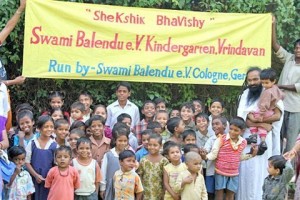
Alle Aktivitäten und Spenden unterstützen Swami Balendus Wohltätigkeitsprojekte für arme Kinder in Indien.
Wir wünschen euch viel Spaß beim Entdecken der Seite!
> Meet Swami Balendu, friends, socialprojects studies at facebook <
ART OF LIVING, MEDITATION, YOGA
His Holiness Sri Sri Ravi Shankar is a universally revered spiritual, and humanitarian leader. His vision of a violence-free, stress-free society through the reawakening of human values has inspired millions to broaden their spheres of responsibility and work towards the betterment of the world. HH Sri Sri Ravi Shankar is a multi-faceted social activist whose initiatives include conflict resolution, disaster and trauma relief, poverty alleviation, empowerment of women, prisoner rehabilitation, education for all, and campaigns against female foeticide and child labor. He is engaged in peace negotiations and counseling in conflict zones around the world. His expertise in bringing opposing parties to the negotiating table in areas such as Sri Lanka, Iraq, the Ivory Coast, Cameroon, Kashmir, and Bihar is widely acknowledged. Read More: > HERE <
The Art of Living is a multi-faceted, not-for-profit educational and humanitarian NGO with a presence in over 140 countries. Founded in 1982 by His Holiness Sri Sri Ravi Shankar, the Art of Living, today, is one of the largest voluntary organisations in the world.
Inspired by its founder’s vision of making the world a violence-free, stress-free global family, the organisation is engaged in various initiatives that uplift humanity and enhance the quality of life. The goal of the organisation is to bring peace at the level of the individual, society, nation and the world as a whole. Its areas of work covers conflict resolution, disaster and trauma relief, poverty alleviation, empowerment of women, prisoner rehabilitation, education for all, campaigns against female foeticide and child labour and environment sustainability.
Guided by Sri Sri’s philosophy of peace, “Unless we have a stress-free mind and a violence-free society, we cannot achieve world peace,” the Art of Living offers several stress-elimination and self-development programmes based mainly on breathing techniques, meditation and yoga. These programmes have helped thousands around the world to overcome depression and violent and suicidal tendencies.
The Art of Living has several sister organisations which are dedicated to realising its vision. International Association for Human Values, Ved Vignan Maha Vidya Peeth, Sri Sri Ravishankar Vidya Mandir, Vyakti Vikas Kendra India, among others, formulate and implement social projects of the Art of Living.
Professional Affiliations
The Art of Living works in special consultative status with the Economic and Social Council (ECOSOC) of the United Nations participating in a variety of committees and activities relating to health, education, sustainable development and conflict resolution. It also carries our several joint initiatives with UN organizations such as United Nations Millennium Campaign (UNMC), United Nations Children’s Fund (UNICEF), etc.
Memberships:
-
CONGO (Conference of NGOs in Consultative Status with ECOSOC of the United Nations), Geneva and New York
-
UN Mental Health Committee,UN Committee on Aging, New York
-
International Union for Health Promotion and Education, Paris
-
NGO Forum for Health, Geneva
-
National Association of Women’s Organisations, Uganda
