Posts by admin
MIND & LIFE: COMPASSION IN ECONOMY

> ALTRUISM & COMPASSION IN ECONOMIC SYSTEMS <
April 9–11, 2010, Kongresshaus, Zurich Switzerland
The Mind and Life Institute is dedicated to fostering dialogue and research at the highest possible level between modern science and the great living contemplative traditions, especially Buddhism. It builds on a deep commitment to the power and value of both of these ways of advancing knowledge and their potential to alleviate suffering.
The ongoing global financial crisis shows clearly just how vulnerable economic systems are to human behavior, particularly to corruption and greed. This strongly suggests that other qualities, such as empathy, pro-social motivation, altruism and compassion may play an essential role in our increasingly competitive global economic system.
But can we really imagine an economic system that delivers prosperity and welfare, or is competition an unavoidable consequence of the human race? How can we, as individuals, help form a society that is both productive and resolves actual societal and environmental problems? What have the sciences to contribute – if anything at all?
By bringing together some of the world’s leading minds, the Mind and Life XX Conference highlights the benefits and limitations of altruism and compassion in economic systems. This offers a unique opportunity to follow a high-level, interdisciplinary exchange of scientists and economists focusing both on individual thinking and the structure of economic systems.
Thus, the conference will build bridges between different disciplines and serve as a catalyst for new research projects and economic initiatives promoting personal responsibility, fairness and compassion.
Mind and Life XIV – Dialogues on „The Universe in a Single Atom“
The Dalai Lama’s book The Universe in a Single Atom: the Convergence of Science and Spirituality highlights those issues he feels are most important in the „convergence of science and spirituality.“ These issues form the focus of this webcast of the Mind and Life XIV meeting, and become the foundation on which a group of scientists develop a deep dialogue with the Dalai Lama and other Buddhist scholar-practitioners. > VIEW HERE <
> Meet Mind and Life, Friends, Studies at facebook <
> Meet Vedic Friends, Studies, Groups at facebook <
GREEN YOGA (T.Y.S.) WITH FEUERSTEIN´s

> First People Arts, Projects <
> TRADITIONAL YOGA STUDIES (TYS)<
Dr. Georg Feuerstein (born 1947) is a German-Canadian Indologist specializing on Yoga. Feuerstein has authored over 30 books on mysticism, Yoga, Tantra, and Hinduism. He has translated, among other traditional texts, the Yoga Sutras of Patanjali and the Bhagavad Gita. Feuerstein moved to England to do his postgraduate research at Durham University and subsequently lived for 23 years in the United States. Today, he is a resident of Canada and lives in Saskatchewan. Read more: > Here <
Any student of Yoga will want to know more about not only the practices of Yoga but also its history and spirituality. One of the best places to turn is to Georg Feuerstein’s acclaimed Shambhala Encyclopedia of Yoga. With more than 100 illustrations (such as the many asana postures and chakra centers) and entries on everything from the Bhagavad Gita to Swami Vivekananda and from the Aryan invasion theory to biofeedback, you can’t go wrong.
Extensive cross-references also facilitate searches for both English and Sanskrit versions of terms. The Shambhala Encyclopedia is a complete yet concise guide to the galaxy of Yoga. Any student of Yoga will want to know more about not only the practices of Yoga but also its history and spirituality. One of the best places to turn is to Georg Feuerstein’s acclaimed Shambhala Encyclopedia of Yoga. With more than 100 illustrations (such as the many asana postures and chakra centers) and entries on everything from the Bhagavad Gita to Swami Vivekananda and from the Aryan invasion theory to biofeedback, you can’t go wrong. Extensive cross-references also facilitate searches for both English and Sanskrit versions of terms. The Shambhala Encyclopedia is a complete yet concise guide to the galaxy of Yoga. ´
The Shambhala Encyclopedia‘ is a must for anyone interested in this complex and lively tradition, and will be a valuable reference by which to gauge the ongoing invention of American yoga. (Beliefnet, May 2000)
> Meet Native American Friends, Studies, Groups at facebook <
> Meet GOPIO – Global Organization of People of Indian Origin <
> Meet IYENGAR (B.K.S.), Yoga, Friends, Studies, Groups at fb<
> Meet Swami Vivekananda, Yoga, Studies, Friends, Groups at fb<
> Meet Bhagavad Gita, Yoga, Studies, Friends, Groups at fb <
> Meet TYS Traditional Yoga Studies Feuerstein at fb <
> Meet Feuerstein´s TYS Green Yoga, Friends, Studies, at fb <
SAVE GANGA, AYURVEDA, YOGA
The oldest & holistic System of medicine !
PREM NIRMAL: TRIPURA RAHASYA RETREAT
www.sriramanasevaashram.blogspot.com
TRIPURA RAHASYA RETREAT
The Mystery beyond the Trinity
www.premnirmal.com
Tripura Rahasya was considered by Bhagavan Sri Ramana Maharshi as one of the greatest works that expounded advaita philosophy. He often quoted from it and regretted that it was not available in English. As a consequence Sri Munagala Venkataramaiah (now Swami Ramanananda Saraswathi) took up the work of translation in 1936 as another labour of love, adding just one more English translation to his already extensive store. This was first published in parts in the Bangalore Mythic Society’s Journal (Quarterly) from January 1938 to April 1940 and afterwards collected into book form, of which five hundred copies were printed and privately circulated. The Asramam has since taken over the copyright and made it one of their official publications.
Mahavidya in Hinduism, Shaktism: > Here <
DATTATREYA UPANISHAD: > Here <
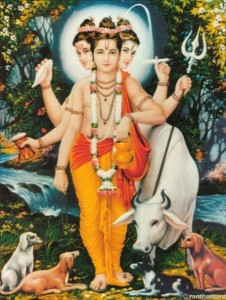
Tripura Rahasya was considered by Bhagavan > Sri Ramana Maharshi < as one of the greatest works that expounded > Advaita philosophy <. Tripura literally means the three cities. They are the states – Jagrat (waking state) – Svapna (dream state) and Shushupti (deep sleep state). The undercurrent of consciousness in all of them, remaining unaffected, is metaphorically called the Resident Mistress by name of > Sri Tripura < . The procreative faculty generating new beings and the link of altruistic love connecting the offspring to the parent are personified in the Mother; hence the feminine termination of Tripura. „The way to transcendence“ signifies that interest in Tripura purifies the mind and creates the zeal for enquiry into the Truth. As in many of the Great Indian texts, the presentation is that of a dialogue between Master (Dattatreya) and Disciple (Parasurama). The latter conveys his doubts, one after another to His Master who responds patiently with clarity and using as great a variety of explanations as the quantity of doubts thrown at him. Slowly but surely, He destroys his Disciple’s every doubt and misconceptions thus revealing the Truth beyond all states: the Stateless State.
During this retreat we will practice Chakrodaya Dhyan with sandhikal jagrukta, Suprashant Pranayam, Nirmal Kriya with Nirmal Mudra to dive deep in Meditation to explore the unknown and unknowable. Also we will have many insights form Tripura Rahasya to contemplate! Because of the intensive nature of this retreat, no. of participants is limited to a small group. Entry to this camp is on first come first serve basis. Senior citizens having problems of movement will be given rooms on ground floor near conference room.
This retreat is an ideal combination “Dhyan – Gyan – Bhakti” (Meditation – Understanding – Devotion) that will help you to settle your understanding of the process of Enlightenment and Ascension. We will practice various methods of meditation and contemplation to internalize Tripura Rahasya that will help you to sustain enlightenment. Please note that this retreat is only for those who have a strong desire to learn, grow and walk the path to sustained enlightenment. Those who have attended ADP Camp and /or have background of Kashmir Shaivism are most welcome.
Please note that there are no eligibility criteria for this camp. All sincere seekers of truth who are ready to dive deep within and explore the unknown are welcome. Those seekers who had Satori experience or Enlightenment experience in past are welcome to learn further on how to sustain the enlightenment.
This retreat will be personally conducted by Guruji Prem Nirmal. To know more about Guruji explore www.premnirmal.com
To register for this event, ask for the registration form and detailed leaflet by mail to pdnirmal@gmail.com for any further help Call 09769543111
> Meet Ramana Maharshi Groups, Friends, Studies, Fans at facebook <
> Meet Hinduism, Groups, Friends at facebook <
> Meet Kashmir Hinduism, Studies, Friends at facebook <
> Meet Shaktism and Devi the Godess at facebook <
> Meet Saundaryalahari: Wave of Bliss by Shankaracharya at fb <
> Meet Arsha Vidya Gurukulam, Studies, Friends, Fans, at fb <
> Meet Advaita Vedanta,Groups,Friends,Studies, Vivekananda at fb <
> Meet Prem Nirmal and Friends at facebook <
> Meet Sri Ramana Maharshi Seva Ashram at facebook <
SRI RAMANA MAHARSHI, HERBAL MEDICINE
> DOWNLOADS, BIOGRAPHY, MEDICINAL RECIPES <
> DR. V. MANICKAM – SRI RAMANA HERBS <
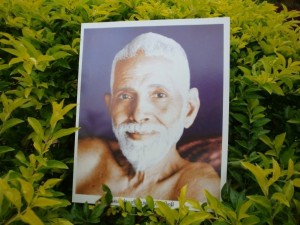
Sri Ramana Maharshi (Tamil: ரமண மஹரிஷி) (December 30, 1879 – April 14, 1950), born Venkataraman Iyer, was an Indian sage. He was born to a Tamil-speaking Brahmin family in Tiruchuzhi, Tamil Nadu. After having attained liberation at the age of 16, he left home for Arunachala, a mountain considered sacred by Hindus, at Tiruvannamalai, and lived there for the rest of his life. Arunachala is located in Tamil Nadu, South India. Although born a Brahmin, after having attained moksha he declared himself an „Atiasrami“, a Sastraic state of unattachment to anything in life and beyond all caste restrictions.
Sri Ramana maintained that the purest form of his teachings was the powerful silence which radiated from his presence and quieted the minds of those attuned to it. He gave verbal teachings only for the benefit of those who could not understand his silence. His verbal teachings were said to flow from his direct experience of Consciousness as the only existing reality. When asked for advice, he recommended self-enquiry as the fastest path to moksha. Though his primary teaching is associated with Non-dualism, Advaita Vedanta, and Jnana yoga, he recommended Bhakti to those he saw were fit for it, and gave his approval to a variety of paths and practices. Read more: > Here <
Bhagavan Ramana and Herbal Medicine
By Dr Manikkam
The essence of all beings is earth. The essence of earth is water. The essence of water is the herb. The essence of the herb is the human being. So says a maxim of the Chandogya Upanishad.
The health traditions of India extend to thousands of years. It perhaps started with the cave man who consumed roots, leaves and herbs raw before discovering fire and subsequently the means of cooking. In this, however, man was only imitating the animals which consumed plants to alleviate health disorders. Nature has provided animals with hindsight that helps them recognise symptoms of bodily disorders, the means of selfdiagnosis and self-medication. The monkey provides one of the most common and best examples. To this, we shall revert later. In India, before codified medicinal systems like Ayurveda and Siddha took roots, folk curative traditions based on observation and experimentation were developed and nurtured.
This tradition had its variants in accordance with climate, terrain and habits; but the essence was the same. The plant kingdom was considered the saviour. General health disorders were treated by a combination of various plants and herbs. Each and every part of a plant was useful root, bark, stem, leaf, flower, fruit and seed. Methods were developed to extract the maximum benefits from each of the parts of a plant. This glorious tradition which was the forerunner to Siddha and Ayurveda, was passed through word of mouth to successive generations. The grandmother in the house was the main custodian of this oral tradition. Proverbs were created and repeated any number of times by the elders in the family to emphasise the importance of healthy living, both physical as well as mental. These proverbs have stood the test of time and they remain intact to guide us. The properties and benefits of herbs and plants were enshrined in easy to understand language.
All Indian languages had their own variants of these health proverbs. The most important feature of the ancient Indian systems of medicine is to look at the human being as a whole entity. The physiological part of it was not divorced from the psychological and the psychical. The body, mind and soul were not treated separately, but as constituting a wholesome single entity. Ancient puranic tradition has it that this system was practised by the rishis, siddhas and devas, the celestial beings. The siddhas were seekers after God. It was they who scientifically developed and nurtured various disciplines such as yoga, medicine, linguistics and other allied arts and sciences.
FULL TEXT ABOUT HERBAL SYSTEM, MEDICINE, RECIPE´s and more: > HERE <
Dr. Manickam and his family are very humble devotees of Bhagavan. His tradition is ‚Herbal Medicine‘, which combines Herbal remedies with the Ayurvedic and Siddha systems of medicine using modern diagnostic techniques. He uses and researches some of the medicinal recipes created by Bhagavan Sri Ramana Maharshi, plus those of his father and grandfather.
All of Bhagavan’s recipes replace the more traditional Ayurvedic ones with pure herbal formulae, which have been found by doctor Manickam to have many times the potency and effectiveness of the traditional recipes. They also have no known side-effects.
All of Bhagavan’s recipes use herbs found on and around Arunachala, this of course adds priceless value to those recipes.
Anyone suffering from ailments and not happy with Western treatments can contact Dr. Manickam at the address and telephone number below …..
Dr. V. Manickam
Sri Ramana Herbs
54-c Mathalangula Street
Tiruvannamalai – 606 601
Tamil Nadu
South India
-
Telephone: (0091) 4175 251937 – NEW Telephone number
- Email – Dr Manickam <drmanickam_tvm@sify.com> – NEW E-mail address.
-
Dr. Manickam is a registered practitioner … Reg. No. 10327 (H)
Tiruvannamalai Charities Supported by This Site:
The three charities listed below have been thoroughly checked by myself and all are genuine.
Ramana Maharshi Rangammal Memorial Hospital and School – 1.4 Mb
Shanthimalai Research & Development Trust – 1.0 Mb
Sanmarga Dayasramam Trust – 1.4 Mb
> Meet Ramana Maharshi Groups, Friends, Studies, Fans at facebook <
> Meet Sri Ramana Seva Ashram,Rachapalli at facebook <
> Meet Herbals & Naturals at facebook <
> Meet Arsha Vidya Gurukulam, Studies, Friends, Fans, at fb <
> Meet Advaita Vedanta,Groups,Friends,Studies, Vivekananda at fb <
AYURVEDA CENTER, AYUR ANANDA ASHRAM
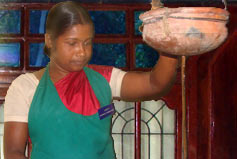
Karmarthakamamoksanamarogyam Mulamuttamam“ Charaka Samhita, Sutrasthana 1,15 – The freedom from diseases is the best source of wealth, gratification and emancipation
AGPAA was founded in March 2008 from the collaboration between the School of Ayurveda Therapists Ananda Ashram in Milan and Guruprakash Ayurvedic Center in Kovalam, which boasts a century-old family tradition of offering Ayurveda and Ayurvedic treatments in the traditional form through his staff of doctors and therapists.
green leaf, Department of Tourism – Government of Kerala (India):
The goal is to make available this millenary discipline for those who want to learn the philosophy and practice of Ayurveda treatment through a well-organized structure in the place of origin of Ayurveda. Also, give the chance for a modest cost to all those who want to benefit from therapeutic treatments and the application of Ayurvedic principles in their lives. Life is a possibility given to human beings to live the highest state of consciousness in a state of health and stable happiness, but usually we have very little knowledge of life and consequently its enormous potential is not used.
Ayurveda, the „Science or Knowledge of Life“, was born to make men aware of his extraordinary potential revealing the fundamental principles of life that sometimes seem of disarming simplicity and sometimes very complex.
Unfortunately Ayurveda is known only as a system of natural medicine, a technique of massage, a beauty treatment or a way to lose weight. True, Ayurveda is all this, but not limited to this, Ayurveda is a lot, much, more.
The essence of Ayurveda can be expressed through these Sanskrit verses, in the original language:
- Hita Ahitam Sukham Dukham Ayustasya Hitahitam
- Maanamcha TATC yatroktam Ayurveda sa Ucchyate
- „Ayurveda is the science that deals with good and bad, happy and unhappy in life, what promotes or hinders the life, also with the quality and length of life.
- Samadosha samagnishcha Samadhatu Mala Kriyah
- Prasannatmendriya manah Swasthya ityabidhiyate
- „Health is a balance of bodily humors, metabolic processes, activity of body tissues and excreta, the purity of body, mind and spirit.
Ayurveda, as the science of life, belongs not only to Indian culture but to all humanity, India has only the merit of having kept in its integrity this valuable knowledge. Kerala is one of the states where the Indian Ayurveda has been preserved from time immemorial.
> Meet Ayurveda Friends, Groups, Studies at facebook <
> Meet REIKI Friends, Groups, Studies at facebook <
> Meet Bharatanatyam Friends, Groups, Studies at facebook <
> Meet Tradtional Tibetan Medicine Book and Friends at facebook <
> Meet Traditional Chinese Medicine, Friends, Groups, Studies at fb<
AYURVEDIC LIFESTYLE & DAILY ROUTINES
HERBALsUK
> THE ONE STOP HERBAL E-SHOP <
> DINACHARYA – DAILY CONDUCT <
Ayurveda (DevanÄ�garÄ«: आयुर्वेद, the ’science of life‘) is a system of traditional medicine native to the Indian Subcontinent and practiced in other parts of the world as a form of alternative medicine.In Sanskrit, the word Ayurveda consists of the words Ä�yus, meaning ‚life‘, and veda, meaning ‚related to knowledge‘ or ’science‘.Evolving throughout its history, Ayurveda remains an influential system of medicine in South Asia.The earliest literature of Ayurveda appeared during the Vedic period in India.The Sushruta Samhita and the Charaka Samhita were influential works on traditional medicine during this era.Ayurvedic practitioners also identified a number of medicinal preparations and surgical procedures for curing various ailments and diseases. Read more: > HERE <
Ayurveda, regarded as a Holistic manual of Life & Age, describes a lifestyle that’s in harmony with nature. The Ayurvedic description of health is :
„Samadosha, Samadhatu Samagnischa, malkriyah,
(समदोष: समधातु समाग्निश्चा मलक्रियः)
Prasannatmendriyamanah, Swastha ityabhidhiyate
(प्रसन्नात्मेंद्रियामन: स्वस्थ इत्याभिधियते)“
i.e Only he, whose doshas (Vata, Pitta, Kapha) dhatus (physical components – Rasa, Rakta, Mansa, Meda, Asthi, Majja & Shukra i.e. Plasma, Blood, Flesh, Fats, Bones, Bone marrows & Semen respectively) & agni (digestive fire) is balanced, appetite is good, all tissues of the body and all natural urges are functioning properly, and whose mind, body and spirit (self) are cheerful or full of bliss, is a perfectly healthy person. Ayurveda considers the individual as whole and seeks to re-establish harmony between all the constituents of the body and a perfect balance of the tripod – Mind, Body and Spirit. Basically Ayurveda is Health promotive – preventive – curative and nutritive – all self contained.
The two principle objectives of Ayurveda are :
- Swasthasya swasthya rakshanam (स्वस्थस्य स्वास्थ्यरक्षणं)‘ – To prolong life and promote perfect health (add years to life and life to years )
- ‚Aturasya vikar prashamanamcha (अतुरस्य विकार प्रशमनाम्चा)‘ – To completely eradicate the disease and dysfunction of the body.
Ayurvedic approach to Life-style:
Health is greatly influenced by Life-Style (Swastha-vritta). According to Ayurveda, Life-style (the rules and guidelines) is divided into three parts:
1. Dincharya ~ दिनचर्या (Diet and regimen for the daytime)
2. Ratricharya ~ रात्रिचर्या (Diet and regimen for the night)
3. Ritucharya ~ ऋतुचर्या (Seasonal Diet and regimen) and Sandhikal (diet instructions for the joint period of two seasons)
One more thing that is very helpful for the knowledge of proper life-style ‚Samsarjan karm (संसर्जन करम)‘ means specific diet program after illness or after Panchkarma Treatments. For perfect health, long disease free body status, one must follow these instructions.
One way to describe the Lifestyle is in terms of the doshas, Vata, the air element; Pitta, the fire element; and Kapha, the water element. Vata is dominant from 2 to 6 in the morning and afternoon. Kapha is dominant from 6 to 10 in the morning and evening, and Pitta is dominant during mid day and midnight. (10 to 2) Keep in touch with these energies during the day and move with them, not against them.
Daily Routine In Ayurveda
Wake Up:
In Ayurveda, the night time is divided into 16 periods, starting from the sunset (of the previous day) to the sunrise of the following day. Ayurveda Rishis suggest that the ideal time to wake up is during the 14th period, which is about two hours prior to sunrise, around 4.00 am to 5.00 am. This is primarily due to the fact the sattva in the air is at its maximum during the time. In fact, it is the most fresh and pure time of the entire day and the time when Prana-vayu is flowing (air carrying the purest form of oxygen).
After Waking Up
Right after waking up to start the day, one should take a moment to see true nature. To serve the purpose, take a short stroll outside the home and soak up the good vibes and see what life is beyond the four walls of home.
Eliminate
Be sure to eliminate the body’s waste products to empty the colon & bladder, to avoid illnesses. It is always suggested not to wait until later in the morning or during the day, to defecate.
Clean Yourself
Brush teeth, scrape tongue and floss mouth. Wash eyes with rose water and ears with water. Gargle with warm water. One may also use a cup of herbal tea for the purpose. By cleaning the senses, one would be prepared for the day.
Give An Oil Massage
Dryness in the tissues of the skin is a major part of aging. This is the reason why many people show the signs of aging at a very young age. Therefore, abhyanga or oil massage is highly recommended. Typically, a self massage, the morning abhyanga rejuvenates the skin and nurtures your mind and soul.
Exercise
Vyayama or exercise is an important part of dincharya. Physical exercise can be yoga, a walk, tai chi, swim or whatever that provides exercise to your muscles. Not strenuous though, simple exercises would make a huge difference in one person – the exercises would provide one with the much needed energy and activeness for the day.
Take A Bath
Bathing is inevitable in the dincharya, as recommended by Ayurveda. Warm water baths are usually suggested, but one may opt for a shower in cold water as well. Apart from cleaning the body, bathing also stimulates the digestive fire.
Meditate
Meditation refreshes the mind, increases the concentration power and builds the energy needed for the rest of the day. Before trudging into the dining hall, sit in peace for a little while, say, ten minutes.
Breakfast
Breakfast should be moderate, with maximum nutrients. By doing this, one is able to get the optimum amount of energy needed to stay active until the next meal. Kick-start the day with a healthy breakfast. Be sure not to skip the breakfast, because it is the first meal of the day.
Lunch
After four to five hours of breakfast, it is the time to have lunch. Since this is the main meal of the day, one needs to eat a nutritious lunch, with moderate calorie intake. After having lunch, it is suggested to go for a little walk, say, for five minutes. This helps proper digestion of food.
Twilight
Twilight is the special time, which is a balance between the day and the night. Evening prayers, meditations should be carried out during twilight, because it is the best time to see one’s Inner Self.
Supper
Ayurveda recommends supper time between 6 pm to 8 pm. However, it is not practical in this fast moving life. It is still advisable to have dinner before you exhaust completely, but definitely two hours prior to going to bed. After the dinner is over, take a walk for a short while, say, fifteen minutes.
Go To Bed
After having dinner, it is the time to relax. Spend some quality time with your family. Sit back and relax. Read a book or listen to soothing music. This is the time to calm your system down. Thereafter, one should have a sound sleep of 6 to 7 hours.
Follow a Seasonal Ayurvedic Routine
Follow seasonal recommendations to balance the vata, kapha and pitta doshas. Each of these mind-body types is more active during particular seasons. The seasonal directives for each are guides to keep them balanced.
1. Eat light foods and drink water with honey during Fall.
2. Chew each bite of food 32 times as it helps in keeping the stomach light.
3. Pass Urine after each meal as it helps in keeping the kidneys active.
4. Have regular baths and oil massages and avoid napping during the day.
5. Choose foods that are heavy during winter and drink warm water, cow’s milk or juice.
6. Have a tepid bath after your oil massage, dress warmly and exercise.
7. Drink more fluids during the summer. Avoid foods that are pungent, acidic or salty.
8. Wear light clothes and avoid strenuous exercise.
9. Avoid foods that are cold, sour, sweet or difficult to digest during spring.
10. Avoid daytime naps but have lots of oil massages and vigorous exercise.
> Dein Ayurveda Net: ….. > Ayurveda, Ursprung, Geschichte <
> Dein Ayurveda Net: ….. > Jahreszeiten im Rythmus der Bioenergien <
> Meet Jaya Kula and the three ways of Practicing tantra at facebook <
> Meet Herbals and Naturals and friends at facebook <
WATER PROJECT „SATRASAYA“ IN NEPAL
WATER SOCIAL PROJECT
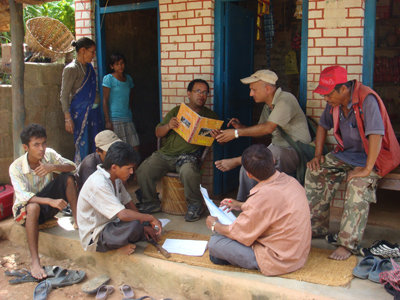
this the village where the sri sathya sai central council of nepal is going to do one water project for the villagers of about 45 houses there and we have done the survey for the cost estimation and possibility to bring down the water from the source of water which is very far from teh village about 3 kilometers and the programme will be in hand of the sai youths of nepal.
the youths wil do all the necessary activities like digging cuting pipes and other necessary activities to make water projects. so now its the initial phase and we are making costs and colecting some funds. any one who are interested for the donation can contact me which wil be great service for the villagers. sairam
Location: satrasaya vdc tanahu district little behind from pokhara
www.filminnepal.com www.icefallproductions.com
FILMPROJECT NEPAL
Film in Nepal is an effort to promote Nepal as a filming destination in the world. We are a group of professionals who have worked and assisted so many international film projects from different countries for filming in Nepal. We created this idea to expose Nepal as a filming location for features, commercials and documentaries. We not only organize international filming teams in Nepal but also produce movies in Nepal film Industry. Film Development Board of Nepal and Nepal Tourism Board are our strategic partners for promoting Nepal as a filming destination.
Since then, we have been assisting so many production companies from different countries and international broadcasters like National Geographic, discovery Channel, BBC, Channel4, Channel5, Universal Pictures, etc….
Nepal offers the most spectacular locations for filming. Jungle, rivers, fields, ancient buildings, historical locations and the majestic mountains, including Mt. Everest are all the possible sites for filming in Nepal. Besides those natural outdoor location, Nepal also has some indoor studios to meet your requirements for indoor shooting.
You can contact us for any kind of assistance for filming in Nepal. We are always ready to support you to make your shoot possible. We help you find the stories, suitable characters and location that you are looking for and try to make the whole shoot run smoothly and make it successful in the best possible way. We also will get all necessary filming permits, do the customs clearance for the filming equipments that you are bringing, arrange professional human resources and help you complete your shoot professionally and within budget.
> Meet Nepal friends, studies, groups at facebook <
> Meet Work together Nepal at facebook <
> Meet Climate Change Group at facebook <
> Meet Hari Krishna Pokharel, Water Project, Filmproject at fb <
THE CATHOLIC TRAPPIST´s MASSACHUSSETS

> Order of Cistercians, or Trappists <
God’s desire is first. God always makes the first move toward us. God in Christ is always drawing us, beckoning us. But how to know, how to recognize God’s nearness, God’s desire? Perhaps the best way is by noticing my deepest desires. What do I long for? What do I dream about? What attracts me? What has seized my imagination? It takes time, prayer and patience but once I get in touch with this deep down place of my desire, everything will be changed, transformed. I will want to follow and pursue what I love with my whole heart, with all my strength. For, indeed, God speaks to us through our deepest desires- desires for happiness, wholeness, holiness. „His desire gives rise to yours,“ says our Cistercian father, Saint Bernard, „and if you are eager to receive his word, it is he who is rushing to enter your heart; for he first loved us, not we him.“
Clearly then the first question in any vocational discernment always will be, „What do I really desire?“ Some may notice the first stirrings of a desire for the monastic way of life. They may have read about Cistercian monastic life; they may have visited our Abbey and been attracted by the beauty of this place, the beauty of the Liturgy, the joy and meaningfulness of the lives of the monks they see. Indeed, the attraction to our life may be experienced by many, but the life of an enclosed monk is meant for relatively few. These are the ones who will acknowledge the continuing desire for monastic life in their hearts. These are the ones who will want to respond to the divine invitation to remain in the monastery hidden in Christ, following him in a way of life that is „ordinary, obscure and laborious.“
The monastic community of St. Joseph’s Abbey is pleased to welcome such men. Those seeking admission to our monastery are expected to be thinking about a lifetime commitment to our way of solitude, prayer and communal living.
MONASTIC EXPERIENCE WEEKENDS are vocational discernment retreats for single Roman Catholic men between the ages of 25 and 45. THE NEXT MONASTIC EXPERIENCE WEEKEND WILL BE HELD AT SAINT JOSEPH’S ABBEY ON APRIL 30 – MAY 2, 2010. Candidates are always welcome to visit us at other times as well.
The Abbey’s Vocation Director is ready to listen, encourage and counsel any prospective candidate.
Inquiries should be made to the vocation director, vocation@spencerabbey.org,
tel 508.885.8700 x518.
> Meet St. Benedict, Student Groups , School, Friends at facebook <
Ballkarten-Vorbestellung für 23.1.2010

Ball der Sargfabrik – SA, 23.01.2010
Liebe FreundInnen der Sargfabrik!
Einmal jährlich, im Jänner, lädt die Sargfabrik zum Ball! Der Ball der Sargfabrik ist im Vergleich zu den „großen“ Wiener Bällen eher bescheiden, doch offensichtlich bereits ein Geheimtipp, denn alle Gäste bestätigen: Hier gibt es eine neue, junge und lebendige Variante der traditionellen Wiener Ball-Kultur mit ausgefallener und hochkarätiger Livemusik. Der nächste Ball der Sargfabrik findet am Samstag, 23. Jänner 2010 statt!
Die Vorbereitungen laufen auf Hochtouren. Genaue Infos zum Ball wird es in Kürze auf unserer Homepage unter www.sargfabrik.at geben.
Jetzt Ballkarten sichern! Dieses Jahr gibt es wieder die Möglichkeit, sich Ballkarten schon jetzt per Vorbestellung zu sichern!
> Meet Sargfabrik – Kulturhaus Sargfabrik at facebook <
PRIME TREATMENTS IN AYURVEDA
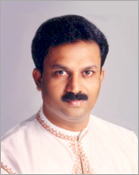
Dr. E. Shaji Raj, www.punarjanis.com
> PRIME TREATMENTS IN AYURVEDA <
Centuries ago, the enlightened masters, in search of spiritual solace, composed the Ayurveda, for the welfare of humanity. According to the scriptures, the human body is made up of 72000 channels connected to the seven spiral energy centers, the diseases of body and mind, which in turn block the path to spiritual enlightenment. The Panchakarma treatment aims at cleansing these channels, pacifying the disease and nourishing the body. It provides longevity, immunity against the disease, whereas in ancient times Yoga, Astrology, Tantra, and Ayurveda were practiced not for longevity but as an ultimate path to enlightenment.
In those ages Ayurveda and self-realisation were cognate and the people held this science in veneration. In the present world it is seen as merely a tool to cure human ailments. More over the practitioners of Ayurveda were Yogis, who would hold the stretched arms of the patients in their hands locate the pulse points and close their eyes as if in a deep trance. Seconds later, they would recount the diagnostic findings one by one. They never had any clinical laboratory or any other technological devices. The innate propensity of certain punarjanis were so splendid that it could work wonders to cure the diseases.
The physician:
Inspired by the findings of the Ayurveda masters we have formulated a system of treatment at ‚Punarjanis‘ bringing the ancient teachings to the limelight in an attempt to serve humanity. We focus on patients with chronic intractable ailments where routine medicine is only palliative.
Dr. E. Shaji Raj, a disciple of Bhramashri Parabattaraka Ananganandanathan Padathirtha, completed his > BAMS < from Madras University. Hailing from a family of traditional Ayurvedic physicians, he has been doing active research in the field of healing for the past 16 years – primarily related to raising energy from the lower center of the body to the higher center. He is one among the few ayurvedic physicians around the world who practice pulse reading and panchakarma treatment.
Incorporating the philosophy and the gist of Ayurveda with the root idea of Tantra and Yoga, the final result is not just cure, but a sea change – a path to enlightenment and bliss. The results have been amazing – an enlightened mind in a sound body.
Adi Shankara:
Adi Shankara (Malayalam:ആദി ശങ്കരന്, DevanÄ�garÄ«: आदि शङ्कर, Ä€di Śaṅkara, pronounced [aːd̪i ɕaŋkərə]); (788 CE – 820 CE), also known as Śaṅkara BhagavatpÄ�dÄ�cÄ�rya and Ä€di ŚaṅkarÄ�cÄ�rya, was an Indian philosopher who consolidated the doctrine of Advaita Vedanta, a sub-school of Vedanta. His teachings are based on the unity of the soul and Brahman, in which Brahman is viewed as without attributes. He hailed from Kalady of present day Kerala.
Shankara travelled across India and other parts of South Asia to propagate his philosophy through discourses and debates with other thinkers. He founded four mathas („monasteries“), which helped in the historical development, revival and spread of Advaita Vedanta. Adi Shankara is believed to be the organizer of the Dashanami monastic order and the founder of the Shanmata tradition of worship.
His works in Sanskrit, all of which are extant today, concern themselves with establishing the doctrine of Advaita (Nondualism). He also established the importance of monastic life as sanctioned in the Upanishads and Brahma Sutra, in a time when the Mimamsa school established strict ritualism and ridiculed monasticism. Shankara relied entirely on the Upanishads for reference concerning Brahman and wrote copious commentaries on the Vedic Canon (Brahma Sutra, Principal Upanishads and Bhagavadgita) in support of his thesis. The main opponent in his work is the Mimamsa school of thought, though he also offers some arguments against the views of some other schools like Samkhya and certain schools of Buddhism that he was familiar with.
Read More here : > HERE <
> Meet all Ayurveda Friends, Groups, Studies at facebook <
> Meet all Buddhism Friends, Groups, Studies at facebook <
> Meet all Hinduism Friends, Groups, Studies at facebook <
> Meet FREE visa to india for MBA , degree Programs, it jobs at fb <
> Meet Vedanta Studies, Friends, Yoga, Int. Society, Groups at fb <
LICHTERABEND IM SHAKTI-CENTER

Ich biete von 9.12. bis 11.12. ausserdem drei Tage lang Reiki,- Shakti-Healing- und Channeling-Sitzungen, sowie Rückführungen im Shakti-Center an. Terminvereinbarung bitte unter meiner Telefonnummer 0660/522 02 92.
Und noch ein Tipp bezüglich Weihnachtsgeschenke: Im Shakti-Center könnt Ihr ab sofort Gutscheine für Yoga-Kurse, Reiki-, Shakti-Healing- oder Channeling-Sitzungen kaufen.
Ich wünsche Euch Frohe Weihnachten und ein gesegnetes Neues Jahr – viel Kraft, Licht und Liebe, Eure Sabine
Wir befinden uns in einer Zeit des Wandels. Das vielzitierte Jahr 2012 – der Beginn des Neuen Goldenen Zeitalters – naht und die großen Herausforderungen, die wir derzeit im privaten, gesundheitlichen und beruflichen Bereich zu bewältigen haben, fordern uns zu Wandel und spirituellen Wachstum auf.
Unterstützen können wir den Prozess indem wir u.a. negative energetische Verbindungen trennen, unnötiges Karma loslassen, Vergebungsarbeit leisten und Seelenanteile zurückholen. Die Engel und Lichtwesen unterstützen uns gerne.
Wir beginnen den Lichtabend mit einer wunderschön entspannenden geführten Engel‐Meditation und Ihr habt dann die Möglichkeit mit Hilfe der hohen himmlischen Mächte all das loszulassen, was Euch in diesem Jahr blockiert und an Eurem Weiterkommen behindert hat.
So können wir noch Ende dieses Jahres alten Ballast abwerfen und befreit, voll Elan und Licht ins Neue Jahr starten.
Lageplan auf www.shakti‐center.com / Kontakt
Zeit: DO, 10.12.2009 von 18.30 bis ca. 21.00
Kosten: 15.‐ Euro pro Person
Anmeldung: wegen der begrenzten Teilnehmerzahl bitte ich um eine Anmeldung per Telefon 0660/522 02 92 oder per Email info@shakti‐center.com
Alles Liebe und eine wunderbare Adventzeit wünscht
Sabine Rauscher
Energetikerin & Rückführungs‐Leiterin
in eigener Praxis
**********************************************
THE MAYAN NEW DAWN
> Meet Lightworker Österreich at facebook <
> Meet GOPIO Global Organ. of People of Indian Origin at facebook <
> Meet all 2012 Groups, Studies, Researchers at facebook <
> Meet all Lightworker Groups, Friends, Fans, Radio at facebook <
TRADITIONAL ISLAMIC MEDICINE
> Medicine in medieval Islam <
> ISHIM Society for Islamic Medicine <
In the history of medicine, Islamic medicine or Arabic medicine refers to medicine developed in the medieval Islamic civilization and written in Arabic, the lingua franca of the Islamic civilization. Despite these names, a significant number of scientists during this period were not Arab. Some consider the label „Arab-Islamic“ as historically inaccurate, arguing that this label does not appreciate the rich diversity of Eastern scholars who have contributed to Islamic science in this era.[1] Latin translations of Arabic medical works had a significant influence on the development of modern medicine, as did Arabic texts chronicling the medical works of earlier cultures.
The International Society for the History of Islamic Medicine
There is a consensus amongst researchers of the history of medicine that early Arab and Muslim physicians had played a very important role in the development of medical science during the renaissance of Islamic civilization, which spanned for eight centuries. This was achieved through translating earlier medical and scientific scripts and developing these sciences in the light of their clinical expertise.
Despite the above fact, it is well-known that, as yet, the full potential of the Islamic medical heritage has not been investigated in a way that shows its real role and importance in the development of modern medicine; especially its effect on the European Renaissance. So far, only a little part of this important heritage has been studied or come to light. Most of the scripts of Islamic medicine are dusting on the shelves of private and some public libraries around the world.
In the light of this, a number of physicians, scholars and historians called for reviving this heritage on an international level. This is to be achieved through organization and teamwork. And this is how the idea of the International Society for the History of Islamic Medicine emerged.
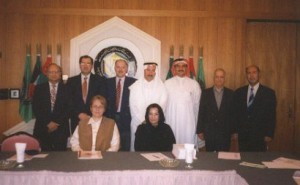
The first meeting of this society convened between 1-3 December 2000 in Doha (QATAR) and was chaired by HE Dr.H.A.Hajar Al-Binali, Minister of Health in Qatar. A number of physicians and historians have attended this meeting.
> Meet Islamic Medicine, Cure, Friends, Hospital at facebook <
> Meet Saint Kabir, Bhakti, Friends at facebook <
> Meet Saint Rumi, Friends, Studies at facebook <
SHIRODHARA – CLINICAL PANCAKARMA
> AYURVEDA HOSPITAL SERVICES <
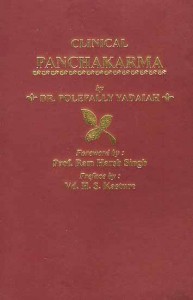
Panchakarma (Sanskrit: पंचकर्म, literally meaning „five actions“) is the word for the five different procedures used in Ayurveda which are believed to purify the body. This is done in two ways: 1)pacifying the aggravated doshas by using appropriate diet, natural herbs and minerals, and 2) eliminating the increased Doshas from the body.
Five actions
Panchakarma (meaning „five actions“) developed in India, though there are regional variations in therapeutic procedure as well as in the equipment used. According to Charaka, the five actions are Nasya (nasal therapy), Vamana (emesis or vomiting), Virechana (purging) and two kinds of Vasti (therapeutic enema), Nirooha Vasti and Sneha Vasti. Herbal decoctions are used for Nirooha Vasti and herbal oils for Sneha Vasti.
Another school, that of the surgeon Sushruta, regards Rakta (blood) also as a dosha (humour), the vitiation of which can cause diseases, and advocates Raktamokshana (bloodletting) as the fifth in the Panchakarma therapies. In this school the five therapies are Nasya, Vamana, Virechana, Vasti and Raktamokshana. As bloodletting involves medical venesection, it is no longer popular. Leeching, however, is still practised.
This five-fold therapy is aimed at Shodhana, the eradication of the basic cause of disease. Shodhana or eradication, along with Shamana, the mitigation of the disease and its symptoms, are the two concepts of disease management in Ayurveda. Panchakarma is also believed by practitioners to have a rejuvenating effect. Read More: > HERE <
YOGAH AND SHODANA: > HERE <
> Dein Ayurveda Net …..“Ayurveda“ <
> Meet Ayurveda Friends, Groups, Studies at facebook <
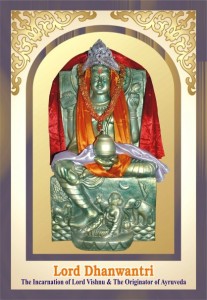
> Meet Lord Dhanwantri, friends, studies at facebook <
TIBETAN PHOTO PROJECT

Tibet is a plateau region in Asia and disputed territory, north of the Himalayas. It is home to the indigenous Tibetan people, and to some other ethnic groups such as Monpas and Lhobas, and is now also inhabited by considerable numbers of Han Chinese people. Tibet is the highest region on earth, with an average elevation of 4,900 metres (16,000 ft). It is sometimes referred to as the roof of the world.
Mission Statement
Recognizing that there is much that we can learn from the Tibetans:
The goal of The Tibetan Photo Project is to provide the tools and technical education in photography to create a voice from the films and photos by Tibetans.
While there have been thousands of great visual works documenting the Tibetans, most have been from the perspective of the Western eye.
The Tibetan Photo Project is working to present the Tibetans‘ own perspective through the Website, exhibits, films, DVDs and other visual programs created from their own photographic work or by film and photo efforts directed by Tibetans.