
Posts by admin
Cultural Bridge between East & West
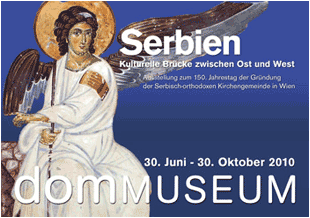
Serbian Church North & South America
Motive on the poster: The White Angel, a dominant detail from the fresco Angel on the tomb, from the scene The Resurrection of Christ, painted in the church of the Mileševa monastery, built and painted in 1234-1236. Mileševa monastery is the endowment of King Vladislav, it is located in the South of Serbia, near Prijepolje.
The Serbian Orthodox Church (Serbian: Српска православна црква / Srpska pravoslavna crkva; СПЦ / SPC) or the Church of Serbia is one of the autocephalous Orthodox Christian churches, ranking sixth in order of seniority after Constantinople, Alexandria, Antioch, Jerusalem, and Russia. It is the second oldest Slavic Orthodox Church in the world (after the Bulgarian Orthodox Church), as well as the westernmost Eastern church in Europe. It exercises jurisdiction over Orthodox Christians in Serbia and surrounding Slavic and other lands, as well as exarchates and patriarchal representation churches around the world. The Patriarch of Serbia serves as first among equals in his church; The current patriarch is His Holiness Irinej. The Serbian Orthodox Church is an autocephalous, or ecclesiastically independent, member of the Orthodox communion, located primarily in Serbia (including Kosovo), Bosnia and Herzegovina, Montenegro and Republic of Macedonia[4], as well as Croatia. Since many Serbs have emigrated to foreign countries, there are now Serbian Orthodox communities worldwide. Read More: > HERE <
The Dommuseum, in cooperation with Matica Srpska, the oldest cultural and scientific institution of Serbia, and the collaboration of the ecumenical foundation Pro Oriente under the patronage of the President of the Republic of Serbia Boris Tadić, and the President of the Republic of Austria Heinz Fischer, on the occasion of the 150th anniversary of the establishment of the St. Sava Serbian Orthodox Municipality in Vienna, presents Serbia’s rich cultural heritage of the past twelve centuries.
It is generally considered that the nature and direction of the development of Serbian culture was determined long ago by the medieval educator and founder of the autocephalous Serbian Orthodox Church, Rastko Nemanjić, St. Sava (1175–1235), who saw Serbia, in his speeches and writings, as a bridge connecting the eastern and western parts of the world. During a period that lasted for many centuries and under the influence of Byzantium, Turkey, Russia and countries of Central and Western Europe, a specific culture originated representing the bond between the East and the West. This culture, however, does not represent a mere combination of the different foreign traditions, but a new culture of great spiritual value as recognized specially through Serbian Orthodoxy (Svetosavlje), the Serbian architectural style, an unique Serbian Cyrillic alphabet, rich literature, a distinctive philosophy of life within which elements of eastern collectivism and western individualism interlace, a rich history of endowments, significant contribution to science and fine arts.
The exhibits are of great historical and artistic value and together with multimedia presentations reflect the permeation of the East and the West in Serbian tradition and culture.
From the permanent exhibitions and collections of the National Museum in Belgrade, the Matica Srpska Gallery in Novi Sad, the Matica Srpska Library in Novi Sad, the Gallery of the Serbian Academy of Sciences and Arts in Belgrade, the Serbian Orthodox Church Museum in Belgrade, the Belgrade City Museum and the Serbian Historical Museum, have singled out items presenting fresco art and icons from the most significant medieval Serbian monasteries built under the influence of Byzantine culture, art of the baroque era, as turning points in the approach towards and acceptance of the Western European cultural model, and finally, the rebuilding of social institutions, following the emancipation from the centuries-long Turkish domination. The exhibition presents renowned personalities from Serbian history that have given a significant contribution to humanity in the fields of culture and science.
The following portraits are presented in the exhibition: Mihailo Pupin, world renowned scientist and professor at Columbia University in New York; Nikola Tesla, one of the most deserving inventors in the field of electrical engineering in the nineteenth and twentieth centuries; Milutin Milanković, founder of theory of cyclical climatic changes; Ivo Andrić, Noble Laureate for literature in 1961.
In five rooms of the Dommuseum are presented five eras:
- Serbian medieval art from the 10th to the 15th century
- Serbian Art from the 16th to the 17th century
- Serbian art in the 18th century
- Serbian art in the 19th century
- Serbian cultural heritage at the crossroads between the 20th and the 21st centuries
- Meet The Orthodox Church, friends, fans at fb <
- H.H. Ecumenical Patriarch Bartholomew I at fb <
- Council for a Parliament of the World’s Religions (CPWR)at fb <
Native American Med. (North-South)
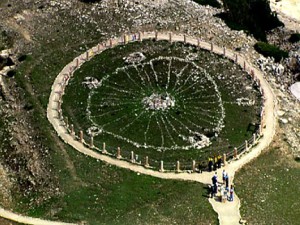
www.native-americans-online.com
http://rainforests.mongabay.com/medicine
The indigenous peoples of the Americas are the pre-Columbian inhabitants of North, Central, and South America, their descendants, and many ethnic groups who identify with those peoples. They are often also referred to as Native Americans, Aboriginals, First Nations and by Christopher Columbus‘ geographical and historical mistake, Indians, now disambiguated as the American Indian race, American Indians, Amerindians, Amerinds, or Red Indians. According to the New World migration model, a migration of humans from Eurasia to the Americas took place via Beringia, a land bridge which connected the two continents across what is now the Bering Strait. The most recent point at which this migration could have taken place is c. 12,000 years ago, with the earliest period remaining a matter of some unresolved contention. These early Paleo-Indians soon spread throughout the Americas, diversifying into many hundreds of culturally distinct nations and tribes. According to the oral histories of many of the indigenous peoples of the Americas, they have been living there since their genesis, described by a wide range of traditional creation accounts. SEE NATIVE AMERICANS may be refering to: > HERE <
Traditional medicine (also known as indigenous or folk medicine) comprises medical knowledge systems that developed over generations within various societies before the era of modern medicine. Practices known as traditional medicines include herbal, Ayurveda, Siddha medicine, Unani, ancient Iranian medicine, Islamic medicine, traditional Chinese medicine, acupuncture, Muti, Ifá, traditional African medicine, and other medical knowledge and practices all over the globe. The World Health Organization (WHO) defines traditional medicine as: „the health practices, approaches, knowledge and beliefs incorporating plant, animal and mineral-based medicines, spiritual therapies, manual techniques and exercises, applied singularly or in combination to treat, diagnose and prevent illnesses or maintain well-being.“ Read More: > HERE <
The healing traditions of Native Americans have been practiced in North America since at least 12,000 years ago and possibly as early as 40,000 years ago. Although the term Native American medicine implies that there is a standard system of healing, there are approximately 500 nations of indigenous people in North America, each representing a diverse wealth of healing knowledge, rituals, and ceremonies.
Many aspects of Native American healing have been kept secret and are not written down. The traditions are passed down by word of mouth from elders, from the spirits in vision quests, and through initiation. It is believed that sharing healing knowledge too readily or casually will weaken the spiritual power of the medicine.
Native American medicine is based upon a spiritual view of life. A healthy person is someone who has a sense of purpose and follows the guidance of the Great Spirit. This guidance is written upon the heart of every person. To be healthy, a person must be committed to a path of beauty, harmony, and balance. Gratitude, respect, and generosity are also considered to be essential for a healthy life. Ken Cohen writes, „Health means restoring the body, mind, and spirit to balance and wholeness: the balance of life energy in the body; the balance of ethical, reasonable, and just behavior; balanced relations within family and community; and harmonious relationships with nature.“ Read More: > HERE <
The meaning of the term medicine to an American Indian is quite different from that which is ordinarily held by modern societies. To most American Indians, medicine signifies an array of ideas and concepts rather than remedies and treatment alone. There is no separation between religion and medicine in tribal culture and healing ceremonies are an integral part of the community experience. To the American Indian, the natural or correct state of all things, including man, is harmony. Far from being dominant over nature, man is seen as interdependent with other living beings and physical forces. All thinking is grounded in relationships. More emphasis is given to the connectedness of one thing to another than to the individual thing itself. To maintain a correct or natural relationship is to be in harmony. The universe is a complex matrix of interdependence. There is a proper set of relationships for each being, a proper existing in harmony with the universe. Read More: > HERE <
- Articles on Traditional & Native Medicine <
- WHO – Traditional Medicine <
- Commercialization of traditional medicines/BioPiraterie <
- DEVELOPMENT & THE HEALTH OF TRIBAL PEOPLE <
- UMN Native American Medicine Gardens, friends, fans at fb <
- Meet Survival International, friends, fans, at fb <
- Meet Indigenous Peoples Issues and Resources, friends at fb <
- Meet The International Ecotourism Society (TIES) at fb <
KOA National Camps East & West Coast
Jammu and Kashmir (Dogri: जम्मू और कश्मीर; Urdu: جموں اور کشمیر) is the northernmost state of India. It is situated mostly in the Himalayan mountains. Jammu and Kashmir shares a border with the states of Himachal Pradesh and Punjab to the south and internationally with the People’s Republic of China to the north and east and the Pakistani administered territories of Azad Kashmir and Gilgit-Baltistan, to the west and northwest respectively. Formerly a part of the erstwhile princely state of Kashmir and Jammu, this territory is disputed among China, India and Pakistan. Jammu and Kashmir is referred to in Pakistan as Indian-occupied Kashmir. Jammu and Kashmir consists of three regions: Jammu, the Kashmir valley and Ladakh. Srinagar is the summer capital, and Jammu is the winter capital. While the Kashmir valley, often known as Paradise on Earth, is famous for its beautiful mountainous landscape, Jammu’s numerous shrines attract tens of thousands of Hindu and Muslim pilgrims every year. Ladakh, also known as „Little Tibet“, is renowned for its remote mountain beauty and Buddhist culture. Read More: > HERE <
Kashmiri Pandit (Hindi: कश्मीरी पण्डित) refers to a person who belongs to a sect of Hindu Pandits who originate from the Kashmir region in the Indian subcontinent. Many honest and credible experts are of the opinion that the original home of the Aryan race is the Kashmir Valley and its vicinity. Also the fact that all Hindus of Kashmir are Brahmin Pandits retaining their rich traditions by large since several millennia point to the tradition that in ancient times all Aryan Indian Hindus were of a single Brahmin caste but later split into occupation based several castes.Read More: > HERE <
The KOA organization has its origins in the early meetings of History several Kashmiri Pandit families in the Washington D.C. and Maryland areas. These families soon came to realize the importance of building a community structure which could include other families too in a bond for mutual preservation and growth. As more families and members joined the founding group, the organization evolved to become a national outfit with regional chapters, documented bye-laws, systems and procedures as well as a non-profit status to better seek donations and pursue community actions.
This is the beginning of the process to document and detail the history and origins of KOA. At the present time, this document is a simple chronological representation from materials available in various KOA publications. The eventual document will trace the past 30 years and list important milestones that have brought the organization to the present point. > HERE <
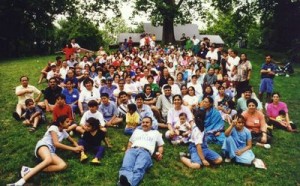
KOA Annual National Camps – KOA organizes two national camps every year, one each in east-coast area and west-coast area. Camps like these serve the members an avenue to mingle, catch up and reminisce with friends, the most cardinal objective is to create a vibrant opportunity and a very conducive environment for our youth (our future pillars) to make new friends and hopefully progress to potential relationships that are everlasting. What better way to preserve our culture, keep our community involved and most significantly contribute towards the survival of our progeny within our cultural milieu? This in any account is huge benefit to the members. Arranging and organizing the camps like these are only possible if the organization has strength and infrastructure and KOA gets its strength from its members. Click on the following links for more details > HERE <
- Articles on Kashmir <
- Eintreten in das göttliche Bewusstsein <
- Meet Kashmiri Overseas Association, friends, fans at fb <
- Meet Roots in Kashmir, friends, fans at fb <
- Meet Coast To Coast AM w/ George Noory, friends, fans at fb <
- Meet The International Ecotourism Society (TIES) at fb <
SHAR GADEN – Altruistic Clinic Association
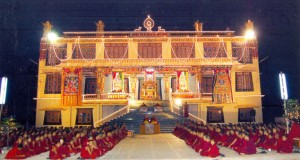
Ganden Monastery (also Gaden or Gandain) or Ganden Namgyeling is one of the ‚great three‘ Gelukpa university monasteries of Tibet, located at the top of Wangbur Mountain, Tagtse County, 36 kilometers ENE from the Potala Palace in Lhasa, at an altitude of 4,300m. (The other two ‚great monasteries‘ are Sera Monastery and Drepung Monastery.) The Ganden Monastery has been re-established in Karnataka, India by the Tibetan population in exile. The Ganden Monastery is located in the Tibetan settlement at Mundgod. This settlement of Tibetan refugees is the largest of its kind in India and was first established in 1966, from land donated by the Indian government.
Its full name is Ganden Namgyal Ling (dga‘-ldan rmam-rgyal gling). Ganden means „joyful“ and is the Tibetan name for Tuṣita, the heaven where the bodhisattva Maitreya is said to reside. Namgyal Ling means „victorious temple“. Read More: > HERE <
Ganden Monastery is located on Wangbur Mountain, on the southern bank of Lhasa River in Tagtse County, 47 kilometers (29 miles) from Lhasa City. It stands at an altitude of 3,800 meters (12,467 feet) above sea level! Ganden Monastery is one of the earliest and largest Buddhist monasteries in Tibet, and stands atop of the six famous temples of Gelugpa – a branch of Tibetan Buddhism. Its significance as a religious, artistic, political and cultural relic led to it being preserved by the National Key Cultural Relic Preservation scheme in 1961, and is now known as being one of the ‚Three Great Temples‘, together with the Sera Monastery and the Drepung Monastery . Every year, one of the grandest of Buddhist activities – Buddha Painting Unfolding Festival – is conducted in the monastery, attracting thousands of visitors and disciples. Read More: > www.travelchinaguide.com/attraction <
Shar Gaden Library came to life very soon after the monastery was founded and it is located underneath the new assembly hall. It is also a non-profit organization, like the clinic association. The main aims and objectives of the library are to preserve and promote Pure Buddha Dharma, the uncommon monastic education and traditions and to fulfil the hard-working students’ wishes by producing necessary holy texts of Buddha Shakyamuni, as well as commentaries of highly realised Buddhist masters of India and Tibet, especially Panchen Sonam Drakpa, the unrivalled scholar of his time, who is the composer of our monastic syllabus texts and many more. Currently the association is run by the director Ven. Lobsang Jamyang, along with seven members of staff, who are highly capable in terms of computer and other related technologies. It plays a significant role during Shar Gaden School’s yearly and monthly examinations, where all the question papers, booklets, etc are designed and produced by the library with strong involvement of the director of the association. The printing press machine is not available presently, therefore we type, design, etc and take the documents to be printed elsewhere. Since it has a great role to play in terms of development of education and production of better facilities for the students, it has been given the highest priority on the monatery’s agenda so far.
Shar Gaden Altruistic Clinic Association came into being on February 26th, 2008. One of the classrooms is being used as clinic due to insufficient space and is located within the grounds of Shar Gaden school, near the library. Earlier it was known as Shar Gaden dispensary, which provided free First Aid and general medicines to the young students of the school. But later, with generous support from our benefactors and close friends, we expanded medical services by including elder monks and lay people, as well as locals. Since the monastery was established in South India, the population of the monastery has been rising rapidly day by day. A vast amount of young students have been enrolled who came from Tibet, the Himalayan region, Nepal, Mongolia, etc. The climate we have here is not very suitable for most of them and there have been many cases of allergic infections among new-comers.
This scenario has given rise to many mysterious diseases so far and many of them are beyond our ability to treat, hence, we frequently invite well-versed doctors from outside to check up on sick and feeble monks and sometime patients have to visit well known hospitals outside of the monastery if the invited doctor diagnoses the patients with serious infections. We strive to run the medical services only in order to benefit inner and outer monks and lay people who need medical help despite lack of sufficient financial foundation. So, the Shar Gaden Altruistic Clinic Association fully depends on your generosity.
- THLIB – Tibetan and Himalayan Library <
- Articles on Tibetan Medicine <
- The Lotus Sutra: www.sacred-texts.com <
- Meet The International Ecotourism Society (TIES) at fb <
- Meet Shar Gaden Monastery, studies, friends, fans at fb <
- Meet Friends of Tibet, studies, fans at fb <
Sri Ganga River of Life Festival 2010
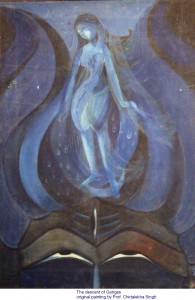
http://sivanandaonline.org/gangadussehra
Gangapujan Dashahara or Dussehra *
* The Descent of the River Ganges, Srimad Bhagavatam 5th Canto 17the Chapter Summary by HDG Srila A.C. Bhaktivedanta Swami Prabhupad.
Ganga Dussehra is the annual celebration of the most sacred of Hindu rivers, Ganga, or the Ganges. The celebration lasts for ten days from the new moon at the beginning of Jyaistha (amanta reckoning). The last day, 10 Jyaistha, is the holiest of them all (this normally occurs in June in the Gregorian calendar, or occasionally at the end of May). Devotees are expected to bathe in the Ganga. If they cannot reach the banks of the river, many devotees will use water drawn from the Ganga that is kept at home to bathe. Alternatively, the devotee will bathe in ordinary water whilst invoking Ganga by prayer. This bathing is considered to impart purity from sin.
Ganga Dussehra: Swami Sivananda’s „Hindu Fasts and Festivals“ and Swami Krishnananda’s „Spiritual Import of Religious Festivals“ have detailed descriptions of the festivals listed here. Click here for ordering details. This Spiritual Calendar is for worships held at the Divine Life Society, Rishikesh, India. Some of the dates may not necessarily hold true for other parts of the world. http://www.dlshq.org/calendar.htm
Sri Ganga Dussehara (Jayesht Shukl Dashmi) 21st June 2010 – This day is auspicious because on this day the sacred Ganges descended in the earth. It can be called birthday of Ganga. A dip in the Ganges or in any other river invoking Goddess Ganges, is beneficial and is said to be purified from ten sorts of sins. Worship of the river deity is done by incense, light, sandal wood, flowers, milk, etc.. Flour balls are fed to aquatic animals.
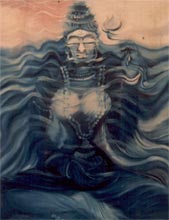
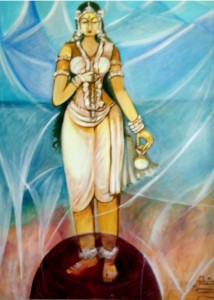
There was a ruler named Sagar. He performed Ashua Medha Yageya. God Indra stole away the ashva (Horse). Sagar’s grandson Anshuman took over the responsibility of the search of the horse. After searching all over, he reached Netherlands with 60,000 followers, where he saw god personified as Kapil saint, was under meditation and the horse was grazing nearby.
The followers of Anshuman shouted, “thief-thief”. Thereupon Kapil rishi opened his eyes and by the blazing lighting of which all were reduced to ashes. For the final cremation ritual of those dead, Bhagirath undertook severe austerities. B’rhma when pleased and asked him to demand a boon. Bhagiratha requested for the descent of Ganges on land. B’rhma agreed but expressed his apprehension if the earth could shoulder the weight and flow of the Ganges, in that case of Bhagirath should invoke God Siva. When Siva agreed to hold the fall of Ganges, B’rhma let it loose from the heavens (swarga lok). The Ganges was then interlocked in the tufts of Siva and Bhagirath’s purpose, of washing the ashes of this ancestors in the water of the Ganges, remained still. There upon Bhagirath invoked Siva, who when please, released the Ganges as river Ganges on the land. The release of the sacred water of the Ganges and its flow through different cities of India is very fortunate, pious, and auspicious for the Hindus of India.
Ganges was not merely a river. She (Goddess Ganga) was devoted to the service of lord K’rsna in the heavens (Swarge-Baikunth). She was thus very near the lord, which made Radha jealous. later cursed her to go down to earth and flow as a river. Ganga, in retaliation, also cursed Radha that you will be close to K’rsna, yet you will always imagine him far away, tolerate separatism and never be peaceful. Thus since then Gange flows as a Ganges river, under the ancient curse of Radha and under the modern curse of city pollution. In the modern times of Kaliyuga, Ganges is of utmost and importance, as according to Narade Purana, all pilgrimages were of influence in Sateya yuga then Pushkar in Treta and Kurukshtra in Dwapar Yuga.
Article by Prof. Chitralekha Singh
Dean: Institute of Visual, Performing Arts & Research, Mangalayatan University, Beswan, Aligarh. Arts Visit at: www.artistchitralekha.com, e-mail: chitralekha@artlover.com, mob . 91 9319103482
Sustainable Travel – Tashi Lhunpo Monastery

http://www.freetibet.org/events/tashi-lhunpo-monks-acton
Tashilhunpo Monastery (Tibetan: བཀྲ་ཤིས་ལྷུན་པོ་), founded in 1447 by Gendun Drup, the First Dalai Lama, is a historic and culturally important monastery next to Shigatse, the second-largest city in Tibet. It was sacked when the Gurkhas invaded Tibet and captured Shigatse in 1791 before a combined Tibetan and Chinese army drove them back as far as the outskirts of Kathmandu, when they were forced to agree to keep the peace in future, pay tribute every five years, and return what they had looted from Tashilhunpo. The monastery is the traditional seat of successive Panchen Lamas, the second highest ranking tulku lineage in the Gelukpa tradition. The „Tashi“ or Panchen Lama had temporal power over three small districts, though not over the town of Shigatse itself, which was administered by a dzongpön (prefect) appointed from Lhasa.
Located on a hill in the center of the city, the full name in Tibetan of the monastery means: „all fortune and happiness gathered here“ or „heap of glory“. Read More: > HERE <
Tashi Lhunpo Monastery is seat to the Panchen Lama, the second most important spiritual leader of Tibet. In 1447 the Monastery was founded by His Holiness the 1st Dalai Lama, Gyalwa Gendun Drup, in Shigatse, Tibet’s second largest city. It is one of the four great monasteries of Central Tibet and was supervised and looked after by the Dalai Lamas and Panchen Lamas of the Gelugpa, or Yellow Hat tradition. It has the glory of producing thousands of renowned scholars in the field of Mahayana Buddhist Philosophy and Tantra.
During the lifetime of the 4th Panchen Lama, Lobsang Choekyi Gyaltsen, there were more than 3,000 monks in the Monastery and by 1959 there were 5,000, with another 2,000 monks affiliated to the monastery living outside Tibet. The Communist Chinese invasion of Tibet in 1959 and the Cultural Revolution from 1966-80 both wreaked destruction on Tibet’s monastic institutions, which lost many precious scriptures, statues and images. Many monks were killed or imprisoned and only 250 were able to follow the Dalai Lama into exile.
www.tibettours.com , In 1972, by the order of the 14th Dalai Lama, the Tashilhunpo Monastery was re-established in Karnataka, the southern state of India. From early1980’s, entry to the general public has been allowed, although one cannot visit all the parts of the monastery, but still Tashilhunpo Monastery has become an important tourist destination in Tibet.
Tibet Reiseführer – Das Tashilhunpo-Kloster, der Sitz der Panchen Lamas aller Generationen. Das Tashilhunpo-Kloster gehört zu den unter staatlichen Denkmalschutz stehenden bedeutenden Kulturstätten Chinas. Es liegt am südlichen Fuß des Berges Nyimarie im Westen der Stadt Xigaze. Es ist das größte Kloster der gelug-Sekte in Westtibet und der Hauptort der religiösen und politischen Angelegenheiten der Panchen Lamas aller Generationen. Das Tashilhunpo-Kloster und die oben genannten drei Klöster Lhasas sind die vier berühmtesten Klöster Tibets.
Tashilhunpo bedeutet auf tibetisch „Glückliches Sumera“. Das Kloster wurde am Berghang gebaut und umfasst Hauptsutrahallen, die Qamba-Buddha-halle, die Gyina Lhakang-Halle, Gedenkhallen mit Stupas für die Panchen Lamas fünf bis neun, die Gedenkhalle Shesong Namgyi mit dem Stupa für den zehnten Panchen Lama, die Terrasse zum Ausrollen großer Buddhabilder sowie Arbeitszimmer früherer Panchen Lamas. Es gibt außerdem noch vier Zhacangs (buddhistische Kollegien), 64 Dörfer mit Wohnhäusern, in denen die Mönche, nach Herkunftsorten zusammengefasst, untergebracht waren, und 56 Gebetshallen. Read More: > www.china-guide.de <
THE STYRIAN ACADEMY EVENTS 2010
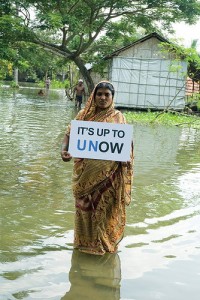
Monasteries Enviromental Himalayaprotection
www.alternative-energy-news.info
Sustainable energy is the provision of energy such that it meets the needs of the present without compromising the ability of future generations to meet their needs. A broader interpretation may allow inclusion of fossil fuels as transitional sources while technology develops, as long as new sources are developed for future generations to use. A narrower interpretation includes only energy sources which are not expected to be depleted in a time frame relevant to the human race, which can potentially also include nuclear power if it is utilized differently from the current manner. Sustainable energy sources are most often regarded as including all renewable sources, such as plant matter, solar power, wind power, wave power, geothermal power and tidal power. It usually also includes technologies that improve energy efficiency. Conventional fission power is sometimes referred to as sustainable, but this is controversial politically due to concerns about peak uranium, radioactive waste disposal and the risks of disaster due to accident, terrorism, or natural disaster. Read More: > HERE <
The 2010 United Nations Climate Change Conference will be held in Cancún, Mexico, from 29 November to 10 December 2010.The conference is officially referred to as the 16th session of the Conference of the Parties (COP 16) to the United Nations Framework Convention on Climate Change (UNFCCC) and the 6th session of the Conference of the Parties serving as the meeting of the Parties (CMP 6) to the Kyoto Protocol. Read More: > HERE <
The STYRIAN ACADEMY is a unique international European life-long learning platform organised by Graz University of Technology in cooperation with Strategic Partners. The STYRIAN ACADEMY addresses business, science and politics as well as excellent students and an interested public.
The unique feature of the STYRIAN ACADEMY is that it combines internationally recognised research across disciplines with entrepreneurial experience to provide participants with the skills and knowledge to develop innovative solutions.
The STYRIAN ACADEMY offers 2010 the following events:
Kick-Off-Event 15 June 2010
Download Programme Kick-Off-Event (PDF)
International Summer School 5-16 July 2010
Download Programme International Summer School (PDF)
International Business Seminar I, 6/7 July 2010
Download Programme International Business Seminar I (PDF)
International Business Seminar II, 7/8 July 2010
Download Programme International Business Seminar II (PDF)
Garden Talks, 7 July 2010
Download Programme Garden Talk (PDF)
In 2010 and 2011 the STYRIAN ACADEMY is dedicated to the European key topic of future Sustainable Energy Systems. The STYRIAN ACADEMY taps into the know how of top-class scientists and entrepreneurs from the European Sustainable Energy Innovation Alliance (eseia) (www.eseia.eu).
The 2010/2011 STYRIAN ACADEMY provides participants with the necessary knowledge and entrepreneurial skills to turn dwindling fossil resources and the challenge of climate change into a chance. The high level training covers the whole innovation field from sustainable energy resources to efficient infrastructure to rational provision of energy services.
- SAVE MOTHER EARTH <
- European Water Partnership (EWP)Aquawareness Day <
- ONE Drop Foundation, Cirque de Soleil <
- http://en.wikipedia.org/wiki/Alternative_Energy
- http://en.wikipedia.org/wiki/Renewable_energy
- Meet Umweltberatung Wien, friends, fans at fb <
- Meet International Year of Biodiversity 2010, friends, studies at fb <
- Meet THE WONDER OF CANCUN: LET’S FIX IT IN MEXICO! at fb <
- 100 Million Voices for a Real Climate Deal in Mexico 2010 <
SURYA JYOTHI YOGA VEDANTA CENTER
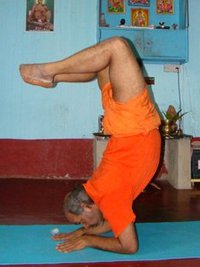
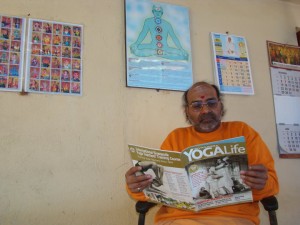
One of the senior disciples of Swami Vishnudevananda and who spent 18 years with gurus mission International Sivananda Yoga Vedanta centre as a Director in different branches. Swamiji is the author of poetry Kaliyuga Vahini in Kannada language. His poetry is coming in all major languages shortly. Swamiji is teaching yoga and Meditation and conducting Satsanga and giving spiritual guidelines to sadhakas all over the world. Swamiji is traveling across the globe in spreading Gurus message.
Sri Swami Krishnananda Saraswati Maharaj (April 25, 1922 – November 23, 2001) was a Hindu saint. He was a foremost disciple of Swami Sivananda and served as the General Secretary of the Divine Life Society in Rishikesh, India from 1958 until 2001.He was one of the most important theologians and philosophers of the 20th century. Author of more than 200 texts, Krishnananda wrote and lectured prolifically on yoga, religion, and metaphysics. His lectures, though delivered extempore (without rehearsal), were known for their structure, style and sophistication, and have been widely published in text form. The works for which Krishnananda is best known are The Realization of the Absolute, The Philosophy of Life, and The Philosophy of Religion. Read More > HERE <
Yoga is a divine knowledge taught by Rishi’s to gain Physical, Mental, Spiritual well being and to attain our Divine quality through following the eight limbs of Raja Yoga called Astanga Yoga. Yoga means union of human sole with the supreme – sole or Almighty god means join Divine & human spirit. This is a Process which liberates the human soul from the bondage of Maya (attachment to worldly things and makes the sole free from rebirth) Only Maya is a strong bondage.
The ultimate Aims of Yoga practice is to get Self –Realization to merge our tiny spark of soul in the ocean of God consiousness.To remove our ignorance due to Maya, to know our own ego, to get freedom from bondages of birth and deaths, to remain in permanent eternal peace, bliss and joy and to realize the complete ultimate knowledge of everything in the universe we should practice this techniques with devotion, faith and proper understandings . Without devotion we never reach any where in this practice.
Love yoga? Want to get started? Become a teacher?
SURYA JYOTHI YOGA CENTRE offers an amazing range of yoga retreats and trainings for people at all levels of experience.
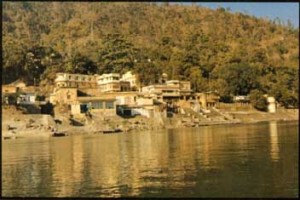
Sivananda Ashram (Headquarters of The Divine Life Society) Rishikesh, Himalayas, India.
The Divine Life Society was founded by the great Saint and Sage of modern times, Swami Sivananda, in the year 1936. It was founded for resuscitating the higher values of life beyond the limitations of perceptional and cognitional evaluations of life. The Founder’s main intention was to awaken humanity towards the ways and means of imbibing in one’s life the characteristics of Ultimate Reality, veritably God-realisation.
Towards this end a vigorous disciplinary process has to be undergone by imbibing in one’s personal life the other associated values, such as the social, ethical, and austere principles, all which have to be set in tune harmoniously with everything that is considered as part of one’s life at any stage of one’s existence in this world. This is briefly the great vision of the Founder, Swami Sivananda.
All material on this website is copyright. This website is independent of the Divine Life Society.
- SWAMI SIVANANDA – YOGA IN DAILY LIFE <
- Ayurveda – H.H. Swami Sivananda Maharaj <
- H.H. SWAMI SIVANANDA – SELFLESS SERVICE <
- Meet Surya Jyothi Yoga Vedanta Center, studies, friends at fb <
- Meet Swami Sivananda – Divine Life Society, studies, friends at fb <
- AN APPEAL FOR YOGA GURUKULAM CONSTRUCTION PROJECT at fb <
Muhammad Yunus: Building Social Business
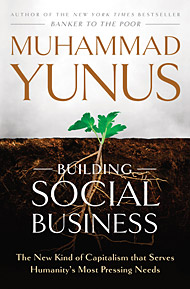
www.businessweek.com/june 2010
Muhammad Yunus (Bangla: মুহাম্মদ ইউনুস, pronounced Muhammôd Iunus) (born 28 June 1940) is a Bangladeshi banker, economist and Nobel Peace Prize recipient. He previously was a professor of economics where he developed the concepts of microcredit and microfinance. These loans are given to entrepreneurs too poor to qualify for traditional bank loans. Yunus is also the founder of Grameen Bank. In 2006, Yunus and the bank were jointly awarded the Nobel Peace Prize, „for their efforts to create economic and social development from below.“ Yunus himself has received several other national and international honors. He is the author of Banker to the Poor and a founding board member of Grameen America and Grameen Foundation. Read More: > HERE <
This third book by Professor Yunus, following Banker to the Poor and Creating a World Without Poverty, is dedicated solely towards the concept of social business, its implementation, and its maintenance. Social business is an innovative business model which promotes the idea of doing business in order to address a social problem, and not to maximize profit. As the title suggests, this complement to traditional capitalism truly can serve humanity’s most pressing needs, especially poverty. Each and every social business creates employment, good working conditions, and of course, addresses a specific social ill such as lack of education, healthcare, and good nutrition.
In simple terms, a social business is a non-loss, non-dividend company dedicated entirely to achieve a social goal. In social business, the investor gets his investment money back over time, but never receives dividend beyond that amount. The Grameen Bank is a prime example of social business, with the Grameen borrowers themselves being its shareholders!
Building Social Business consists of case studies, anecdotes, and solid advice from Professor Yunus himself. This “Social Business Manual” is a must read for anyone who wants to use his or her creativity to make a positive impact in their neighborhood, town, country, and world.
The Nobel Peace Prize-winner shows how the social business model can harness the entrepreneurial spirit to address poverty, hunger, and disease
Muhammad Yunus, the practical visionary who pioneered microcredit and, with his Grameen Bank, won the 2006 Nobel Peace Prize, has developed a visionary new dimension for capitalism which he calls „social business.“ By harnessing the energy of profit-making to the objective of fulfilling human needs, social business creates self-supporting, viable commercial enterprises that generate economic growth even as they produce goods and services that make the world a better place.
Company Overview – Grameen Bank provides credit to rural poor in Bangladesh. It offers small loans for women. The company also provides training programs to individuals in the forms of Grameen basics course, exposure programs, international dialogue programs, research, internships, workshops, and media. It offers its services to villages of Bangladesh. Grameen Bank was founded in 1976 and is based in Dhaka, Bangladesh.
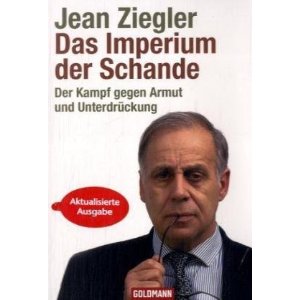
Jean Ziegler: The Empire of Shame
www.unwatch.org/The Right of Food
Jean Ziegler (born April 19, 1934) is a former professor of sociology at the University of Geneva and the Sorbonne, Paris. He was a Member of Parliament for the Social Democrats in the Swiss federal parliament from 1981 to 1999. Nominated by Switzerland, he was the United Nations Special Rapporteur on the Right to Food from 2000 to April 2008. On 26 March 2008, he was elected for one year into the Human Rights Council Advisory Committee. Despite objections from UN Watch he received 40 out of 47 votes to finish first in a field of seven candidates. He is also member of the advisory board of the human rights organization Business Crime Control. Read More: > HERE <
The Codex Alimentarius (Latin for „food code“ or „food book“) is a collection of internationally recognized standards, codes of practice, guidelines and other recommendations relating to foods, food production and food safety. Its name derives from the Codex Alimentarius Austriacus. Its texts are developed and maintained by the Codex Alimentarius Commission, a body that was established in 1963 by the Food and Agriculture Organization of the United Nations (FAO) and the World Health Organization (WHO). Read More: > Here <
Jean Ziegler: „This World Order is not just murderous, it is absurd“ – Jean Ziegler is a senior professor of sociology at the University of Geneva and the Sorbonne, Paris. He is one of the leading protagonists in the world for the anti-globalization movement and has taken a continued stand for human rights, the right to food and a decent livelihood for all people. In 2000, he was appointed by the United Nations Commission on Human Rights as the UN Special Rapporteur on the Right to Food. He kept this position until March 2008 in spite of much hard criticism from the neoliberal leaders of the U.S. and the UN for his categorical stand for equal rights for all people. His continued fight against poverty, hunger and chronic malnutrition in the world has been a constant embarrassment to the West.
He is now the Swiss member of the UN Human Rights Council. His is one of the very few voices heard on the international scene speaking out loudly against the criminal financial system that has put the world in its present tailspin with hunger and lack of human rights, devastating a continually increasing mass of the world’s 6.6 billion population. Unfortunately he is not very well known in the Anglophone world, where, for obvious political reasons, his humanitarian message is hushed up. He says in „Empire of Shame“: „One thing is certain: world agriculture, in the current state of productivity, could feed twice the number of today’s global population. So it is not a matter of fate: hunger is man made.“
„Empire of Shame – A Conversation with Jean Ziegler“ He has written several books on the lack of justice in the world, condemning the vicious global power system that allows close to a billion people to be the chronic victims of hunger and permanent malnutrition and denouncing crimes committed in the name of global finance and capitalism.
See: Hunger in the Midst of Plenty, By Girish Mishra. FULL ARTICLE: * HERE *
> Books from Jean Ziegler by Amazon < / Codex Alimentarius Video
In your opinion, has anyone measured the scale of the impact of this crisis on the South? Jean Ziegler. „When the rich lose weight, the poor die,“ says a proverb. World hunger is increasing at a breathtaking rate. Every five seconds a child under ten dies of hunger in the world and 100 000 people die every day from hunger or its immediate after-effects.
Since 2000, the West said there was no money. However, on October 12, at the Élysée Palace, in three and a half hours, the 27 EU countries released €1 700 billion for credit to be used between banks and to raise the floor of pure capital for the banks from 3 % to 5%. 1% of these €1 700 billion would suffice to eliminate the eight tragedies afflicting the Third World countries. This world order is not only mortal, it is absurd.
- IRRI Rice Research Institute & Conference <
- Codex Alimentarius – Food Book & Food Code <
- PALMOIL – Biofuel, Climate Change, Food, etc. <
- http://www.bhookh.com , www.foodrelief.org
- http://en.wikipedia.org/world_food_price_crisis
- Jean Ziegler: The Hatred for the West <
- www.worldproutassembly.org/archives <
- Jean Ziegler: About World Hunger <
- http://en.wikipedia.org/wiki/Food_vs._fuel
The Fair Trade Footballs of Pakistan
www.fairtrade.org.uk/sportsballs
FAIR TRADE SPORTS BALLS (UNHEP)
KS3 Citizenship – Fair Trade Video
Sialkot (Urdu: سیالکوٹ) is a city situated in the north-east of the Punjab province in Pakistan at the foothills of the snow-covered peaks of Kashmir near the Chenab river. It is the capital of Sialkot District and, formerly, it has been the winter-capital of the State of Kashmir. The city is about 125 km (78 mi) north-west of Lahore and only a few kilometres from Indian controlled Jammu. The recorded history of Sialkot covers thousands of years. Sialkot has, since its foundation, changed hands from Hindu, Buddhist, Persian, Greek, Afghan, Turk, Sikh and British rule to that of present-day Pakistan. Read More: > HERE <
Fair Trade is an organized social movement and market-based approach that aims to help producers in developing countries obtain better trading conditions and promote sustainability. The movement advocates the payment of a higher price to producers as well as social and environmental standards. It focuses in particular on exports from developing countries to developed countries, most notably handicrafts, coffee, cocoa, sugar, tea, bananas, honey, cotton, wine, fresh fruit, chocolate and flowers. Read More: > HERE <
An innovative company with history – SELECT Sport is one of the world’s leading manufacturers of hand-sewn balls and produces approx. 2 million balls a year. SELECT Sport is recognised as an innovator in quality balls and is represented by its own sales network or distributors in large parts of the world. We export to a total of more than 50 countries.
SELECT’s head office is located in Glostrup near Copenhagen. Our balls are produced in Pakistan by Anwar Khawaja Industries (AKI). We have never used child labour to produce our balls. SELECT’s workers and their families receive free medical assistance and medication through our SAHEP programme. This programme also provides education and schooling for all of the workers’ children.
A short look at how footballs are really made.
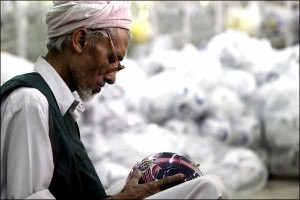
FIFA standard balls are hand-stitched in Pakistan for Fair Kick Soccer. In a size 5 ball, there are 690 stitches. As each of the five-sided pieces of polyurethane artificial leather are stitched to the others, the ball’s sphere gradually closes. The last stitches are done ‘blind’. That is, they use a pair of long needle-pullers, threading between stitches that they have already made, because they cannot get their hands inside the ball. At the same time, they have to be careful that they do not puncture the butyl air bladder inside. > http://de.fifa.com/<
Interfaith Center: Gala Dinner with Yusuf Islam

There have been several meetings referred to as a Parliament of the World’s Religions, most notably the World’s Parliament of Religions of 1893, the first attempt to create a global dialogue of faiths. The event was celebrated by another conference on its centenary in 1993. This led to a new series of conferences under the official title „Parliament of the World’s Religions“. Read More: > HERE <
Yusuf Islam (born Steven Demetre Georgiou; 21 July 1948 in London, England),commonly known by his former stage name Cat Stevens, is a British musician. He is a singer-songwriter, multi-instrumentalist, educator, philanthropist, and prominent convert to Islam. Read More: > HERE <
The Interfaith Centre of Melbourne emphasizes the development of events and programs that involve and attract youth who are searching for deeper meaning in their lives, and who show deep concern for the future of humanity and the planet.
Building Harmony – The State of Victoria is one of Australia’s most multi-cultural States. It comprises people from more than 208 countries. Victorians speak over 150 languages and follow more than 100 faiths. Whilst there are no large-scale community relation’s conflicts, the report tabled in the Commonwealth Parliament in November 2000, „Conviction with Compassion: A Report into Freedom of Religion and Belief“, suggests that elements of racism and religious intolerance remain endemic in our society. Our broader community is not always aware of the level of distress and harm experienced by members of minority groups.
Combating prejudice and assisting people to overcome disadvantage are two of the Victorian Government’s key priorities. Our mission and educational/cultural programs seek to complement the Victorian Government’s promotion of racial and religious tolerance, and issues of social justice.
YTDR – Yogi Tsoru Dechen Foundation Miami
Miami (pronounced /maɪˈæmi/ or /maɪˈæmə/) is a major city located on the Atlantic coast in southeastern Florida. Miami is the county seat of Miami-Dade County, the most populous county in Florida. It is the principal city and the center of the South Florida metropolitan area, which had a 2008 population of 5,414,712; ranking 7th largest in the U.S.In 2008, the population of the Miami urbanized area had increased to 5,232,342, becoming the fourth-largest urbanized area in the United States, behind New York City, Los Angeles, and Chicago. Miami is a well-known global city due to its importance in finance, commerce, culture, media, fashion, education, film, print media, entertainment, the arts and international trade.Known as The Gateway to the Americas, Miami is an international center for entertainment, education, media, music, fashion, film, culture, print media, and the performing arts. Read More: > HERE <
Tibet (Tibetan: བོད་; Wylie: bod, pronounced [pʰø̀ʔ]; Chinese: 西藏; pinyin: XÄ« Zàng) is a plateau region in Asia and a disputed territory, north of the Himalayas. It is home to the indigenous Tibetan people, and to some other ethnic groups such as Monpas and Lhobas, and is inhabited by considerable numbers of Han and Hui people. Tibet is the highest region on earth, with an average elevation of 4,900 metres (16,000 ft). It is sometimes referred to as the roof of the world. Read More: > HERE <
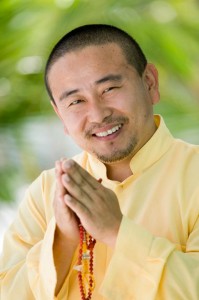
The Venerable Tulku Tsori Rinpoche is the founder and spiritual leader of the Yogi Tsoru Dechen Rinpoche Foundation based in Miami, Florida. He is recognized as a Lama – a term reserved for senior members of the Tibetan Order.
Lama Tulku Tsori Rinpoche (aka Tulku Karma) was born in a Tibetan refugee settlement in India in 1974. During his childhood, he was recognized as the incarnation of Yogi Tsoru Dechen Rinpoche of Chamdho, Tibet. At the age of seven, he was received at Namdroling Monastery in Bylakuppe, India where he completed his education.
Dalai Lama teaching at TCV Dharamsala India
Rinpoche has devoted his life to champion humanitarian efforts. He travels throughout the world teaching the Buddha Dharma (Path of Awakening), and speaking on the greater good of empowering humanity and revitalizing society. Presently, Rinpoche is overseeing various charitable programs including construction of the Children’s Monastery in Mainpat, India while continuing to help establish new Dharma centers throughout the world.
IRCICA – Int. Symposium of muslim Calligraphy
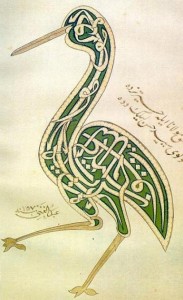
http://ilmalinsaan/islamic-calligraphy
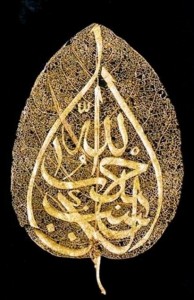
Calligraphy, by definition, the art of „beautiful writing” is one of the oldest artistic and literary forms known to mankind. Ancient scribes writing on papyrus, clay tablets, and vellum strove to make their writing very special. Monks in monasteries and medieval professional scribes brought their writing to a high form of artistic expression as they inscribed scriptures, sacred writings, and other works of literature and poetry. Scribes and calligraphers have that same passion today as they endeavor to make the written word an artistic treasure to be admired and treasured. Calligraphy (from Greek κάλλος kallos „beauty“ + γραφή graphẽ „writing“) is a type of visual art. It is often called the art of fancy lettering. A contemporary definition of calligraphic practice is „the art of giving form to signs in an expressive, harmonious and skillful manner“. The story of writing is one of aesthetic evolution framed within the technical skills, transmission speed(s) and materials limitations of a person, time and place . Read More about Calligraphy in East & West: > HERE < .
IRCICA is an international institution active in the fields of research, publishing, documentation and information. Its mandate covers multifarious themes in the fields of the history of Muslim nations, history of arts and sciences in Islam, and other subject areas in Islamic culture and civilisation. By means of these activities, IRCICA aims at studying and better introducing the Islamic culture and civilisation throughout the world and acting as a catalyst for research and cooperation in these areas to promote mutual understanding between Muslims and with other nations and cultures of the world.
IRCICA started its activities in 1980 as the first subsidiary organ of the Organisation of the Islamic Conference (OIC) concerned with culture. The headquarters of IRCICA are located in the three buildings named Seyir Pavilion, Cit Qasr and Yaveran Building in the historical Yildiz Palace in Besiktas, Istanbul. These buildings were allocated to the Centre by the Government of the Republic of Turkey.
Prof. Dr. Ekmeleddin Ä°hsanoÄŸlu, Secretary General of the Organisation of the Islamic Conference, was the Director General of IRCICA from 1980 to December 2004. Prof. Ä°hsanoÄŸlu was elected Secretary General of OIC by the 31st Islamic Conference of Foreign Ministers (Istanbul, 14-16 June 2004). Dr. Halit Eren, who was the Deputy Director General, was appointed Director General of IRCICA as of 1st January 2005. INTERNATIONAL SYMPOSIUM OF FEMALE CALLIGRAPHERS June 4th -6th, 2010: > HERE <
Muslim Heritage: Professor Al-Hassani on the History Channel. More Muslim Heritage Videos: > HERE <
Centre’s Programs – The scope of IRCICA’s work plans expanded steadily over the years, as completed activities were replaced by new projects and ongoing ones grew to cover new themes of interest. The majority of research projects are implemented on a long term basis, in several successive and/or simultaneous stages related to various aspects of a given theme or involving various types of activities, such as data collection and treatment, contacts and cooperation with the Member States, institutions and organisations concerned, convening of scholarly meetings, editing, publishing, etc. From its earliest years onwards, the Centre disseminated the results of its activities in the OIC Member States as well as in academic, cultural and artistic circles world-wide by its publications, paper presentations at conferences, exhibitions of documents and illustrations, communication and cooperation with universities and cultural institutions throughout the world, and by offering library and archive services to researchers and students. This section outlines the activities carried out by IRCICA within the framework of its programs and projects, from its establishment in 1980 until the beginning of 2000.
- AVICENNA, UNANI MEDICINE & MATERIA MEDICA <
- ISLAMIC PLANT MEDICINE AND HISTORY <
- Meet HATTAT TAHSÄ°N KURT, friends, fans at fb <
- Meet CALLIGRAPHY, studies, friends, fans at fb <
- Meet Council for a Parliament of the World’s Religions (CPWR) at fb <
LeadEarth – Environmental & Int. Development
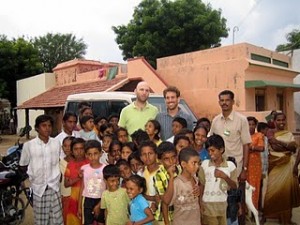
Jews, Christs & Muslims ~ Intercultural Dialog
Isralestinian Ghandis – Meditation for Peace
Israel (Hebrew: יÖ´שÖ°ׂרÖ¸אÖµל, YisrÄ�’el; Arabic: إِسْرَائِيلُ, IsrÄ�’Ä«l), officially the State of Israel (Hebrew: About this sound מÖ°דÖ´ינÖ·ת יÖ´שÖ°ׂרÖ¸אÖµל (help·info), MedÄ«nat YisrÄ�’el; Arabic: دَوْلَةُ إِسْرَائِيلَ, Dawlat IsrÄ�’Ä«l), is a country in Western Asia located on the eastern shore of the Mediterranean Sea. It borders Lebanon in the north, Syria in the northeast, Jordan and the West Bank in the east, the Gaza Strip and Egypt on the southwest, and contains geographically diverse features within its relatively small area. Israel is the world’s only predominantly Jewish state, with a population of 7.5 million people, of whom 5.7 million are Jewish. Arab citizens of Israel form the country’s second-largest ethnic group, which includes Muslims, Christians, Druze, and Samaritans.
The modern State of Israel has its historical and religious roots in the Biblical Land of Israel, also known as Zion, a concept central to Judaism since ancient times. Political Zionism took shape in the late-19th century and the Balfour Declaration of 1917 formalized British policy preferring the establishment of a Jewish state. Following World War I, the League of Nations granted Great Britain the Mandate for Palestine and the responsibility for establishing „the Jewish national home“ within it. Read More: > HERE <
Tamil Nadu (Tamil: தமிழ்நாடு „Country of the Tamils“, pronounced [t̪ɐmɨɻ n̪aːɽɯ]( listen)) is one of the 28 states of India. Its capital and largest city is Chennai (formerly known as Madras). Tamil Nadu lies in the southernmost part of the Indian Peninsula and is bordered by the States of Puducherry (Pondicherry), Kerala, Karnataka and Andhra Pradesh. It is bound by the Eastern Ghats in the north, the Nilgiri, the Anamalai Hills, and Palakkad on the west, by the Bay of Bengal in the east, the Gulf of Mannar, the Palk Strait in the south east, and by the Indian Ocean in the south. Read More: > HERE <
Leadearth is an 8 months leadership program of Environmental and Social projects in Israel and India. LeadEarth is an eight-month leadership program for young professionals who wish to gain experience in the fields of social action, community empowerment and environmental and international development.
The LeadEarth program was designed to foster social entrepreneurs in the fields of environmental sustainability and informal education and enable them to acquire the skills, knowledge and hands-on experience to initiate, develop and lead projects in their own communities and in developing countries.
LeadEarth offers professional training, personal growth, self empowerment and a unique opportunity to initiate, develop and lead community projects.
The LeadEarth program includes a five-month training program in Israel followed by three months of field work in India and a closing seminar to prepare participants for further professional work and studies.
During the first five months of the program, participants live on Kibbutz Ein Zivan, where you will study and volunteer. Here you will receive professional training in the fields of sustainable ecological development and project management.
In the second part of the program, volunteers will travel to the Tamil Nadu state of India where you will live in an international volunteer community and work with grassroots NGOs, including the Center for Culture and Development (CCD) and Sadhana Forest. These organizations, together with an Adam LeAdam professional team leader, guide the volunteers in the initiation, development and operation of community projects, while focusing on promoting environmental awareness through informal education.
As LeadEarth graduates, you will receive ongoing support to enable you to sustain social and environmental involvement and activities in India or in your home community.
As a participant of the program you will: Prepare for further studies and professional job opportunities in the fields of environmental studies, ecological sustainability, international development and project management. Gain knowledge of Israel and India through living and working with local communities. Work and train with the next generation of international, young, Jewish, social entrepreneurs. Receive professional training in sustainable living including: clean energy, building planning, composting, chemical-free products and organic farming. Undergo survivor training in order to learn to deal with uncertainty in outdoor conditions. Receive accreditation from leading NGOs in Israel and India.
- Meet Lead Earth friends, fans at fb <
- Meet Isralestinian Gandhis , friends, fans at fb <
- Meet United Israel Peace, friends, fans at fb <
- Meet M.K. Gandhi Institute for Nonviolence, studies, friends at fb <
- Council for a Parliament of the World’s Religions (CPWR)<
