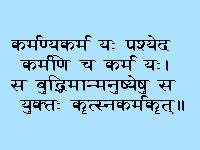
AYURVEDA CONCEPT OF RASAYAN THERAPY
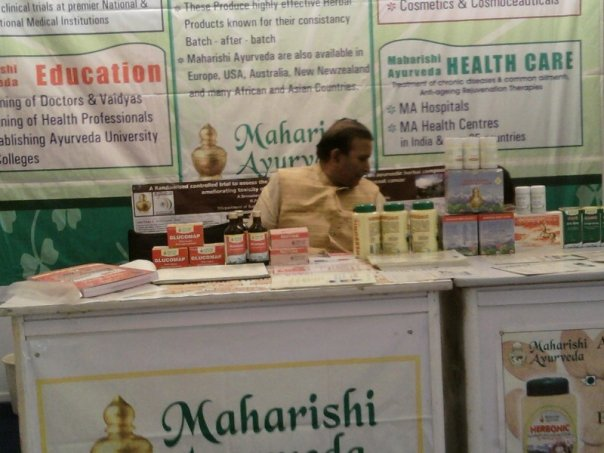
( ayurveda4uall’s Photos – ALL India confrence Delhi 7-8 Oct )
Rasayan, a Sanskrit word (with literal meaning: Path (ayana) of the Juice (rasa), or Elixir vitae), is used to describe chemistry and alchemy, and chemistry is generally called Rasayan Shastra in Sanskrit,Nepali, Marathi, Hindi, Kannada and several other languages. Ancient rasayan texts center around the use of prepared forms of mercury (see samskaras), as do occidental alchemical texts. However, there is also ample mention of the preparation of medical tinctures in the ancient science of rasayan; rasayan is in fact a part of Ayurveda. Read more: > HERE <
Concept of Rasayana Therapy
Rasayana Tantra is one of the eight major divisions of Astang Ayurveda. In Ayurveda, one of the major methods of presentation of positive health has been described i.e. Rasayana.
Sushruta has defined a healthy man as one who has:-
• Equilibrium of the Doshas Sama dosha.
• Normal functioning of Agni Sama Agni
• Normal condition of 7 Dhatus Sam Dhatu
• Normal Excretion of waste products Sam Malkriya.
Beside this Atma (Soul), the Indriyas or sense organs and Mana or mind should be happy and cheerful Prasanatamendriya Mana (Su.Su.15/15). The current modern definition of health is also same “Health is a state of complete physical, mental and social well being and not merely absence of disease. (W.H.O.)
Healthy state of mind and body can be achieved by Rasayana Therapy or Rejuvenation Therapy
Rasayana Stands as an answer to solve the problem of healthful longevity including mental development and resistance against disease. That is why; Rasayanatherapy has been included as one of the eight major divisions of Ashtang Ayurveda. Rasayana Chikitsa or rejuvenation therapy helps to promote and preserve health and longevity in the healthy, and to Cure disease in sick. We all want to look forever young and increase our life span by staying healthy, Rasayans or vitalizers, as they are called, do exactly the same. They replenish the vital fluids of our body, thus keeping us away from diseases. Rasayana refers to the nutrition and its transportation in the body. Such a state of improved nutrition is claimed to lead to a series of secondary attributes like longevity, immunity against diseases, mental competence and delaying of aging.
Rasayana is actually that which increases the essence of each Dhatu, starting from Rasa. Taking Rasayana is helpful to increase the immunity of person to keep him away from diseases. The person become healthy and strong .Literally the term Rasayana refers to the means of obtaining the optimum nourishment to the Dhatu.
Meaning of Rasayana
The word Rasayana is composed of two words Ras + Ayan. The means by which one gets the excellence of Rasa (The nourishing fluid which is produced immediately after digestion) is known as Rasayana. Apart from the excellence of Rasa, the individual is endowed with Psychic excellence like sharp memory, by virtue of rejuvenation therapy. The term Rasayana connotes a specific meaning. Drugs, diet and regimens which promote longevity by delaying aging and preventing diseases are called Rasayana. The term Rasa has different connotation. In the present context, it means the body fluid which is responsible for nourishment of entire physique. Impairment of circulation of this body fluid results in diseases and decay. This body fluid of good quality should not only be present in adequate quantity, but also it should be able to permeate (circulate) throughout the various cells of the body to provide the type of nourishment they need.
Rasayana is a specialized type of treatment influencing the fundamental aspect of body viz. Dhatus, Agni and Srotansi and ojus etc. Rasayana Chikitsa boosts theojus and immune system. The adjective Ojaswiis used to describe those people who keep good health in all seasons and all stages of life. It is like obtaining a high rank in a physical or mental fitness. Ojus gives a bright look, sharp memory, high performance and every expected pleasure.
Historic Consideration of Rasayana
Rasayana therapy is as old as the Vedas because many references on Rasayana therapy are available in the Atharva Veda (atharvaveda 8/7/4). Extensive descriptions of divine Rasayana agents like Soma are available in classics. References about Achara Rasayna and Sadvrita are also available in the vedic texts similar to Charakadescription (Rig-Veda 5/1/7 and Atharvaveda 16/2/2)
Besides extensive references is available regarding the superiority of certain other common Rasayana drugs like Pippali, Jivanti and Punarnava etc. Similarly a concept of Ajasrika Rasayana also appears in vedic literature.
Vedas have seriously considered the problems of aging and its delaying. It has been the cherished wish of human race to achieve long life and to live at least 100 years in perfect health. “Jivema Sharadah Shatam” (Rigveda 10/39/8).
Probably all these ideas at a later stage necessitated the development of a full-fledged clinical discipline like Rasayana therapy to deal with the problem of aging, its delaying.
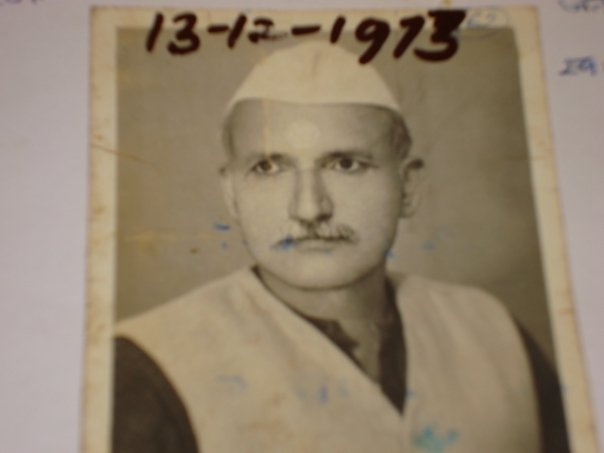
…my beloved grandfather who was also great vaidya . ( Ayurvedic doctor ) had open ayurveda college in 1970´s then then he moved to noida near to delhi on speical invitation of his holiness maharishi ji and worked 20yrs in maharishi Ayurveda.
vaidya adwait tripathi
Arogya sadnam
H-129, Sector-41
Noida-201302
On call special appointment can fix for patient for Free Pulse diagnose ..
> MEET AYURVEDA4UALL… AT FACEBOOK. <
> Dein Ayurveda Net: ….. > Ayurveda, Ursprung, Geschichte <
> Dein Ayurveda Net: ….. > Jahreszeiten im Rythmus, Bioenergien <
> Meet Herbals and Naturals and friends at facebook <
> Meet all Ayurveda Groups, Friends, Studies at facebook <
> Meet Lord Dhanvantri at facebook <
GLORY´s and THANK´s. READ FULL ARTICLE:
AIVS – UPCOMING EVENTS 2010

> AIVS American Vedic Studies <
> BAVA British Association of Vedic Studies <
Upcoming Programs – 2010
1.) Feb. 13-15: Sivananda Ashram, Nassau, Bahamas – Yoga, Ayurveda and Tantra: How to Bring the Deity into Your Sadhana
2.) Feb. 16-19: Journey Into Healing, Phoenix, Arizona, with Deepak Chopra and David Simon – Ayurvedic Psychology for Journey into Healing
3.) April 15-18: NAMA (National Ayurvedic Medical Association) conference: Ayurveda Complimentary Global Medicine (Tantra and Ayurveda, Vamadeva and Shambhavi are both featured speakers)
4.) April 22-26: British Association of Vedic Astrology (BAVA) – Ayurvedic Astrology, the Vedic astrology of Healing, for BAVA yearly national conference
> Dein Ayurveda Net …..”Ayurveda” <
> Dein Ayurveda Net …..”Jyotish” <
> Meet Ayurveda Friends, Groups, Studies at facebook <
> Meet Lord Dhanwantri, friends, studies at facebook <
> Meet Swami SIVANANDA friends, yoga, studies, at facebook <
> Meet Yogini Dharma, AIVS friends, studies at facebook <
> Meet Yogi Baba Prem, AIVS, studies atf facebook <
> Meet VASTU, Friends, and Study Groups at facebook <
> Meet Jyotish, Friends, and Study Groups at facebook <
> Meet saundalryalahari:Wave of Beauty, Bliss, Studies, friends at fb <
> Meet Jaya Kula and the three ways of Practicing tantra at fb <
TURMERIC – THE AYURVEDIC SPICE OF LIFE
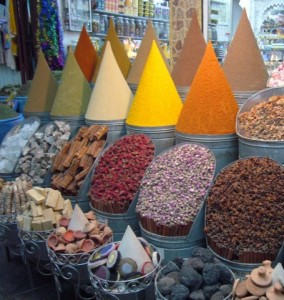
> WIENER NASCHMARKT, the stomach of vienna <
> TRADITIONAL ISLAMIC MEDICINE <
The earliest evidence of the use of spice by humans was around 50,000 B.C. The spice trade developed throughout the Middle East in around 2000 BC with cinnamon and pepper. The Egyptians used herbs for embalming and their need for exotic herbs helped stimulate world trade. In fact, the word spice comes from the same root as species, meaning kinds of goods. By 1000 BC China and India had a medical system based upon herbs. Early uses were connected with magic, medicine, religion, tradition, and preservation. A recent archaeological discovery suggests that the clove, indigenous to the Indonesian island of Ternate in the Maluku Islands, could have been introduced to the Middle East very early on. Digs found a clove burnt onto the floor of a burned down kitchen in the Mesopotamian site of Terqa, in what is now modern-day Syria, dated to 1700 BC. In the story of Genesis, Joseph was sold into slavery by his brothers to spice merchants. In the biblical poem Song of Solomon, the male speaker compares his beloved to many forms of spices. Generally, Egyptian, Chinese, Indian, and Mesopotamian sources do not refer to known spices. Read more: > HERE <
Turmeric: The Ayurvedic Spice of Life
Great Healers, in one form or another they are sought out by all of us. Somewhere inside we all seek balanced happy lives and so we seek that which will grant us health and joy. This article is about Turmeric, one of the planet’s great healers. This healer is not obscured in some esoterica and not distanced by a cosmic price tag. As usual with great healers, it is very close to you and readily accessible, in fact, it is probably in your house right now, though it may be hard to believe that such a common item is one of the world’s best all around herbs.
Ayurveda is as full of commonsense as it is humming of the mystical and so, especially since it is an oral tradition, it is with the common people of India, like the spice sellers and the village mothers, that many traditions of herbal knowledge are learned and passed from elder to child for countless generations. In this way
the ability of Turmeric is proven and its legacy grows. I have learned so much about ‘common’ herbs from ‘common’ people that I could never have learned elsewhere, a fact predicted by Paracelcus who in 1493 wrote:
“The physician does not learn everything he must know and master from a high college alone. From time to time he must consult old women, gypsies, magicians, wayfarers and all manner of peasant folk and random people and learn from them, for these people have more knowledge about such things than all the high colleges.”
A World of Turmeric
“I have found a plant that has all the qualities of Saffron, but it is a root.”- (Marco Polo on Turmeric, 1280 AD)
As far as documented evidence, it is used daily in India for at least 6000 years as a medicine, beauty aid, cooking spice, and a dye, though I am sure its use goes back at least 30,000 years. Ostensibly it was used to worship the Sun during the Solar period of India, a time when Lord Rama Chandra walked the Earth. Especially in South India, you can see people wearing a dried Turmeric rhizome bead the size of a large grape around their neck or arm. This is an ancient talisman tradition used to ward off evil and grant to the wearer healing and protection.
Buddhist monks have used Turmeric as a dye for their robes for at least 2000 years. It was listed in an Assyrian herbal circa 600 BC and was mentioned by Dioscorides in the herbal that was thee Western herbal from the 1st to the 17th century.
As mentioned above, Europe rediscovered it 700 years ago via Marco Polo and it is used in traditional Brazilian medicine as a potent anti-venom to neutralize the bleeding and lethal poison of Pit Vipers.
For at least 1000 years Chinese Medicine has used Turmeric especially for the Spleen, Stomach, and Liver Meridians. They use it to stimulate and purify, and as an anti-biotic, anti-viral, and an analgesic. As such it is used to stimulate and strengthen the blood and decrease blood pressure, to clear abdominal pain and stagnation in men, women and children, and to remove stagnant Chi, the pain due to stagnant Chi, and excessive wind element. They consider it one of the better herbs for women because it stimulates the uterus and clears menstrual stagnation, dysmenorrhea and amenorrhea due to congested blood arising from a lack of heat or simply a deficiency.
Personally, with the way that Turmeric can move the Chi, I use large therapeutic doses of Turmeric with Yin asanas as an herbal equivalent of an acupuncture session.
Unani is the name of the ancient Persian system of medicine that has connected Ayurveda with the Greek Medicine for thousands of years. In visiting Unani Hakims from the Nile to the Narmada I have appreciated the way they keep their herbs cleaner than other herbalists. In Unani Turmeric is considered to be the safest herb of choice for all blood disorders since it purifies, stimulates, and builds blood. You have heard of the phrase „Hot to the 3rd degree.“
When the ancient Polynesians made their fantastic voyages in canoes across the Pacific Ocean to Hawaii they took with them the roots, cuttings, and seeds of about 25 of their most valuable plants. Known as Olena, meaning yellow, Turmeric was one of these plants. Their tradition is carried on today by the Kahuna of Hawaii, the ‘Knowers of the Leaf’ or rhizomes as the case may be. As in other cultures, they use Olena as food, medicine, dye, and for ceremonial purification. The juice is used in earaches or to purify the sinuses via the nose. The root is also eaten to treat most pulmonary problems such as bronchitis or asthma. The Indian practice of applying the root paste to the face to cure any blemishes is popular in this tradition as well. For ceremonial purification prayers are chanted as the mixture of fresh Olena juice and sea water is sprinkled on people, places and objects to remove negativity and restore harmony. Read full article: > HERE <
HILDEGARD OF BINGEN´s SPICE´s
The Galangal plant (Galanga, Blue Ginger) is a rhizome with culinary and medicinal uses (Lao: „Kha“, Thai: ข่า „Kha“, Malay: lengkuas (Alpinia galangal), Traditional Mandarin: 南薑, Simplified Mandarin: 南姜, T:高良薑/S:高良姜, Cantonese: lam keong, 藍薑, Vietnamese: Riềng). It is used in various oriental cuisines (for example in Thai cuisine Tom Yum soups and Dtom Kha Gai, Vietnamese Huenian cuisine (Tre) and throughout Indonesian cuisine, for example, in Soto). Though it is related to and resembles ginger, there is little similarity in taste. Read More: > HERE <
Galangal – was highly recommended by Hildegard of Bingen. She said that it was given by God to provide protection against illness. “The spice of life,” as she called galangal, appears in many Hildegard formulas.
Hildegard regarded galangal mainly as a potent aid to digestion and quick reliever of pain, such as the pain associated with angina pectoris, heart attacks, and gall bladder symptoms. The heart symptoms are secondary to the gastric distress, which, if relieved, eases cardiac pressure. Hildegard wrote:
“ Whoever has heart pain and is weak in the heart should instantly eat enough galangal, and he or she will be well again. [Physica] „
Oil Of Galangal
Galangal appears to have been used in China during antiquity. It is mentioned in the Ayur-Vedas of Susrutas,10) also by Plutarch.11) The Arabian physicians used it for medicinal purposes and thus, no doubt, assisted in its introduction into western Europe. Thus Rhazes, Avicenna, Alkindi1) and other physicians who lived during the 9. and 10. centuries, mention galangal in their writings as an esteemed remedy. Its importation is reported in the 9. century by the Arabian geographer Ibn Kurdadbah,’2) and in the beginning of the 12. century by the Sicilian geographer Edrisi,3) In the Delia decima etc., a commercial treatise of the first half of the 14. century by the Florentine merchant Pegolotti, galangal is described as occuring in two varieties, viz., the light and the heavy.4) Marco Polo reports on the cultivation of the plant in China and Java.5) In 1563 Garcia da Orta, a physician in Goa, describes two varieties of galangal, a smaller variety coming from China, and a larger one from Java.6) The first good illustration was published by Rumpf in 1754.7)
> CHRISTSTOLLEN: > RECIPE <
> Meet Ayurveda Friends, Groups, Studies at facebook <
> Meet Traditional Chinese Medicine, friends at fb <
> Meet Traditional Islamic Medicine, Friends, Studies at fb <
> Meet The Book of Tibetan Medicine at fb <
> Meet Hildegard of Bingen, Friends, Studies, at fb <
> Meet GOPIO Global Organ.of People of Indian Origin,Friends,at fb<
> Meet CODEX ALIMENTARIUS friends and group at fb <
The Codex Alimentarius (Latin for „food code“ or „food book“) is a collection of internationally recognized standards, codes of practice, guidelines and other recommendations relating to foods, food production and food safety. Its name derives from the Codex Alimentarius Austriacus.Its texts are developed and maintained by the Codex Alimentarius Commission, a body that was established in 1963 by the Food and Agriculture Organization of the United Nations (FAO) and the World Health Organization (WHO). The Commission’s main aims are stated as being to protect the health of consumers and ensure fair practices in the international food trade. The Codex Alimentarius is recognized by the World Trade Organization as an international reference point for the resolution of disputes concerning food safety and consumer protection. Full Text > HERE <
DER BAUORDEN – Helfende Hände in Moldawien
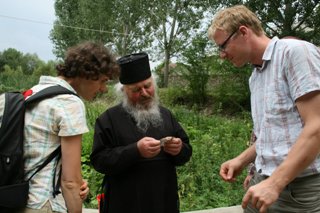
Der Internationale Bauorden (IBO) ist eine in vielen europäischen Ländern verbreitete gemeinnützige Organisation, die europaweit Baulager für junge Erwachsene organisiert, in denen Gemeinschaftseinrichtungen oder Wohnhäuser für Bedürftige errichtet oder renoviert werden. Auch historische Bauwerke werden in solchen Einsätzen restauriert. Der Bauorden wurde 1953 vom niederländischen Ordensgeistlichen Werenfried van Straaten gegründet, um Studenten zu motivieren, in Deutschland Flüchtlingen und Vertriebenen beim Bau von Eigenheimen zu helfen. Der Bauorden finanziert sich durch Spenden und öffentliche Zuschüsse. Die deutsche Sektion hat ihren Sitz in Ludwigshafen. In den Baulagern wird in internationalen Gruppen von sechs bis zwölf Teilnehmern in der Regel drei Wochen lang gearbeitet. Unterkunft und Verpflegung sind für die Freiwilligen frei, für die Fahrt wird ein Zuschuss zu den Reisekosten gezahlt. Der Bauorden bereitet die Projekte vor und kümmert sich um Werkzeuge und Baumaterial. Für Architekturstudenten kann die Teilnahme an einem Baulager des IBO als Baustellenpraktikum anerkannt werden. Der Internationale Bauorden verleiht seit 2005 alle zwei Jahre den Joseph Schmitt-Preis für eine Examensarbeit in den Bereichen Internationale Jugendarbeit, Internationale Freiwilligendienste, Jugendreisen sowie Jugend und Europa. Der Preis ist mit 1000 Euro dotiert. Read More: > HERE < / Int. IBO: www.bauorden.de
Was ist der Bauorden? – Seit 1953 treffen sich Jahr für Jahr hunderte junge Menschen, um in der ganzen Welt – vor allem aber in Europa – bei karitativen und sozialen Bauprojekten unentgeltlich mitzuhelfen.
Jeder Freiwillige, der körperlich in der Lage ist, Bauhilfsarbeiten durchzuführen und bereit ist , fremden Menschen zu helfen, ist uns willkommen.
Moldawien zählt zu den ärmsten Ländern Europas. Das Alters- und Pflegeheim „Casa Max“ in Capresti beherbergt 40 alte Menschen, die zwischen 63 und 83 Jahre alt sind. Das Haus ist ohne menschenwürdige sanitäre Anlagen und Fließwasser; bei der Fertigstellung des Heimes aber auch bei der Renovierung eines Hauses einer kinderreichen und armen Familie halfen die Freiwilligen mit.
YOGA & DANCE – Hasta Mudra Project
> LIFE POSITIVE – Gracefull Gestures <
> GESTURE´s IN WESTERN CHRISTIANITY <
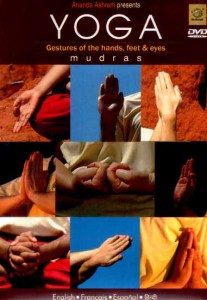
A mudrÄ� [muːˈdrɑː] (help·info) (Sanskrit: मुद्रा, lit. „seal“) is a symbolic or ritual gesture in Hinduism and Buddhism. While some mudrÄ�s involve the entire body, most are performed with the hands and fingers. A mudrÄ� is a spiritual gesture and an energetic seal of authenticity employed in the iconography and spiritual practice of Indian religions and traditions of Dharma and Taoism. Read more: > HERE <
The Hasta Mudra Project
A Collaboration of Tanjore Performing Arts and Chocolate Media.
The presentation of research and documentation included on this website is only the beginning of a larger project that will unveil connections between the use of hasta mudras in various traditional healing and performing arts and linking them to modern day usage today. The ultimate goal is to develop a documentary film that is visually pleasing and yet offers depth of research and content into the subject matter. Achieving this requires travel to India and other destinations where video footage will be shot on location at various temples and sites, interviews of scholars and practitioners around the world, as well as a variety of technical equipment and expertise.
The content within this website is derived of excerpts from an ongoing research project on hasta mudra as they are utilized in Bharata Natyam classical dance of India. The literal translation of the Sanskrit hasta mudra is hand (hasta) symbol (mudra), though hasta mudra can be interpreted in English as hand gestures or sign language. The broader scope of this project encompasses the ancient art of hand symbols as found in all the arts, including fine arts, performing arts, ritual arts, and healing arts.
Drawing connections within movement and myth, life and art, this project aims to provide insight into the world of hand symbolism through examining written and visual examples. We start with a brief historical overview and then proceed to analyze the usage of hasta mudras in dance. Technical nuances in their significance are examined as well as important artistic and stylistic qualities. This study’s analysis is offered from the point of view of an experienced practitioner of the art and is supported by several ancient texts, lending it both a personal as well as scholarly perspective.
Please consider being a part of this valuable project by contributing your expertise or funds. The project is in need of seed money to take it off the ground and into the next phase of production. If you have suggestions or would consider including this project into your funding or research plans, please contact us.
Anu Naimpally or Russ Smith
> Meet Hinduism Friends, Groups, Studies at fb <
> Meet Buddhism Friens, Groups, Studies at fb <
> Meet Taoism Friends,Groups, Studies at fb <
> Meet Bible Friends and Studies at fb <
> Meet orthodox Church Friends, and Studies at fb <
THE SHAMBALA TRADITION, ARTS, POETRY
> SHAMBALA IN BUDDHISM, HINDUISM <
> TAI CHI VEREIN SHAMBALA, WIEN <
About The Sakyong, Jamgön Mipham Rinpoche
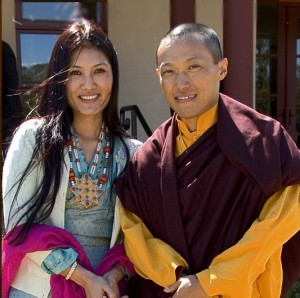
The Sakyong, Jamgön Mipham Rinpoche, is one of Tibet’s highest and most respected incarnate lamas. The Sakyong—literally, “earth protector”—is king of Shambhala. The first king of Shambhala, Dawa Sangpo, was empowered directly by the Buddha.
The Shambhala tradition emphasizes confidence in the enlightened nature of all beings—windhorse—and teaches courageous rulership based on wisdom and compassion. It holds that these qualities are ultimately more stable than aggression and greed. It shows how to use worldly life as a means to ripen this spiritual potential. It practices turning the mind toward others as a discipline that creates lungta, windhorse, the ability to attain success that occurs from acting virtuously. Sakyong Mipham Rinpoche leads a global community of over 150 meditation centers rooted in these principles.
Sakyong Mipham Rinpoche is unique in that he bridges two worlds. The eldest son of the Vidyadhara Chögyam Trungpa Rinpoche, who was instrumental in bringing Buddhism to the West, he is the incarnation of Mipham the Great, who is revered in Tibet as an emanation of Manjushri, the buddha of wisdom. He descends from the Tibetan warrior-king Gesar of Ling. He also holds the Kagyü and Nyingma lineages of Tibetan Buddhism.

*Calligraphy by Sakyong Mipham Rinpoche. As well as being a meditation master, Sakyong Mipham is a poet and an artist.
Sakyong Mipham Rinpoche is unique in that he bridges two worlds. The eldest son of the Vidyadhara Chögyam Trungpa Rinpoche, who was instrumental in bringing Buddhism to the West, he is the incarnation of Mipham the Great, who is revered in Tibet as an emanation of Manjushri, the buddha of wisdom. He descends from the Tibetan warrior-king Gesar of Ling. He also holds the Kagyü and Nyingma lineages of Tibetan Buddhism.
He is the head of the Shambhala Buddhist lineage and is spiritual director of Shambhala, a borderless kingdom of meditation practitioners committed to realizing enlightenment and social harmony through daily life. He is the lineage holder of Naropa University, which is dedicated to advancing contemplative education.
Sakyong Mipham Rinpoche was born in 1962 in Bodhagaya, India, to Lady Könchok Palden. He spent his early years receiving a Buddhist education, later joining his father in the West, where he continued his study of Buddhist philosophy and ritual. He has studied with the great masters His Holiness Dilgo Khyentse Rinpoche—teacher of the HH Dalai Lama and the king of Bhutan—and HH Penor Rinpoche. He is married to Princess Tseyang Palmo, daughter of His Eminence Namkha Drimed Rabjam Rinpoche, head of the Ripa lineage.
The Sakyong has written two books, the national bestseller Turning the Mind into An Ally, and the prize—winning Ruling Your World. He is a poet and an artist. He has run marathons to raise money for Tibet through the Konchok Foundation.
In September 2006 he offered the first Living Peace Award to HH the Dalai Lama at the Great Stupa of Dharmakaya in Colorado. He travels extensively, teaching throughout the world.
> Meet Sakyong Mipham Rinpoche, friends, studies at facebook <
> Meet Buddhism, friends, studies, Medicine at facebook <
> Meet Bhutan, friends, studies at facebook <
> Meet Tai Chi friends, groups, studies at facebook <
> Meet Qi Gong friends, groups, studies at facebook <
> Meet Calligraphy, arts, friends, groups at facebook <
ANI CHOYING DROLMA – Tibetan Songs

Her actual name is Ani (which means nun or sister) Choying Drolma. Ani Choying Drolma is an exceptional singer, admired by fans all over the world. People are moved to tears by the plaintive purity of her voice, and the haunting melodies of her ancient songs and hymns, passed from master to pupil for many centuries.
Ani Choying has always believed that nuns have a great desire and potential to make the world a better place, if only given equal opportunities. In 2000 she opened the Arya Tara School. The school aims to equip nuns to help and to serve their communities in a professional and humanitarian capacity. With a fully developed and realized potential, she believes that her nuns will be able to not only help themselves, but also to help others.
In brief, Arya Tara School aims to help young nuns bring their compassion into fruition, actively, effectively, skillfully and meaningfully. Traditionally, says Ani Choying, women’s education is neglected in Asia. “most of the girls at my nunnery are from rural areas either in Tibet, India or Nepal, patriarchal cultures where women are expected just to cook, clean and bear children. Even in the nunnery, they are taught to read classical Tibetan in order to do the religious practice, but many cannot write their own names.”
Her school would educate them in Literacy, Maths, Science, Medical and Nursing skills, and Buddhist philosophy.
TIBETAN MEDICINE – Tibetan massage

> TRADITIONAL TIBETAN MEDICINE <
Tibetan medicine is a centuries-old traditional medical system that employs a complex approach to diagnosis, incorporating techniques such as pulse analysis and urinalysis, and utilizes behavior and dietary modification, medicines composed of natural materials (e.g., herbs and minerals) and physical therapies (e.g. Tibetan acupuncture, moxabustion, etc.) to treat illness.
The Tibetan medical system is based upon a synthesis of the Indian (Ayurveda), Persian (Unani), Greek, indigenous Tibetan, and Chinese medical systems, and it continues to be practiced in Tibet, India, Nepal, Bhutan, Ladakh, Siberia, China and Mongolia, as well as more recently in parts of Europe and North America. It embraces the traditional Buddhist belief that all illness ultimately results from the „three poisons“ of the mind: ignorance, attachment and aversion. Read more: > HERE <
What is Tibetan Medicine
Tibetan Medicine (TM), one of the world’s oldest healing traditions, has been practiced for more than four thousand years in Tibet and the Himalayan region. TM, called „Sowa Rigpa“ in Tibetan, means the knowledge and science of healing. „Sowa“ means to heal the imbalanced and „Rigpa“ means the knowledge or science of a particular subject. Along with five treatises of Buddhist Doctrine such as technology, medicine (Sowa Rigpa), studying of sounds, logic, and philosophy, Sowa Rigpa is regarded as one of the most important sciences in Tibet.
The Fundamental Principle Of Tibetan Medicine
The fundamental principle of Tibetan medicine is that the body, the disease, and treatment, all share common principles and are comprised of the five elements, earth, fire, water, air, and space. This approach recognizes that every thing in the universe – plants, animals, and human beings including all our body tissues, internal organs, skin, skeletal system and even emotions, are composed of these five elements. Each one of them plays a major role, both individually and in combination as aspects of all matter. The five elements maintain reciprocal relationships. When they stay in balance, it results in a healthy body, speech, and mind. However, if any one of these elements becomes out of balance, either excess, deficient, or disturbed, not only does the affected element manifest disharmony, but also it will cause the rest of the elements to lose their balance and manifest particular syndromes or symptoms. Since each individual disease is caused by disharmony or disturbances in one of the five elements, the treatment principle is to balance the elements through diet according to an individual’s constitution and behavior, utilize herbs, and other accessory therapies such as blood letting, Mey-Tzar (Tibetan moxa ), external therapy (heat or cold), natural or medicinal bath, enema, and Ku Nye ( Tibetan Massage ).
About the Shang Shung Institute
The Shang Shung Institute (SSI) is an international organization that seeks to broaden the world’s understanding of traditional Tibetan culture. At this moment in history the preservation of this rich and beautiful culture is of utmost importance as it is in real danger of being lost. As such, the SSI promotes programs and initiatives that support the continuation and survival of this rich cultural heritage.
The SSI was founded in Italy in 1989 by Chögyal Namkhai Norbu, a renowned scholar of Tibetan culture, as well as one of the foremost living Dzogchen Masters. Other branches of the SSI have since been established in North America, Austria, Russia, and Argentina.
The SSI develops and maintains projects in various countries including: the translation, publication, and archiving of Tibetan texts; the organization and presentation of international cultural and educational events to share and preserve Tibetan heritage; and formal courses of study that train students in ancient Tibetan arts and sciences, including art, language, and traditional Tibetan medicine.
The Institute is active in four main areas of interest:
- Archives and multimedia
- Culture and events
- Traditional Tibetan medicine
- Tibetan language study and research
> Meet the Book of Tibetan Medicine in facebook <
SPIRITUAL DANCE: „UNIVERSAL SYMBOL“

> VOTIVKIRCHE GUESTCONCERT´s <
> INTERKULTURELLES ZENTRUM WIEN <
Tatjana Sehic bei Ditiramb der interkulturelle Verein und Wiener Votivkirche laden ein zum:
„Vienna meets …“ eine kultur–diplomatische Begegnung zum Austausch von zeitgenössischen spirituellen Tanzformen mit Focus auf Licht als universelles Symbol – in seiner Deutung und Bedeutung „ LUCE “.
Zeitgenössische Tänzerinnen und MusikerInnen aus Indien, Kroatien, Ägypten, Israel und Wien zeigen wie sie heute in ihren künstlerischen Werken die spirituelle Dimension entdecken, darstellen und deuten. Die Ländervertretungen sowie die VertreterInnen der Religionsgemeinschaften sind zu diesem Event eingeladen, mit KünstlerInnen und untereinander beim Buffett, im Museum der Wiener Votivkirche über Besonderheiten, Verbindungen und Bedeutungen des Sakralen Tanzes ins Gespräch zu kommen.
17.Dezember 2009 um 19.00 Uhr
Rooseveltpl. 8 Wien 1090
> Dein Ayurveda Net….. > Bharatanatyam <
> Meet Bharatanatyam Group at facebook <
DIE AUTOBIOGRAPHIE EINES YOGI´s
> PARAMAHANSA AND KRIYA YOGA <
> UNESCO, PURANAS, KRIYA YOGA <
> GUIDANCE ON THE ECONOMIC CRISES <
> PARAMAHANSA´s VIEW ON THE 4 GOSPEL´s <
> INTERNATIONAL HEADQUATER BUILDING <
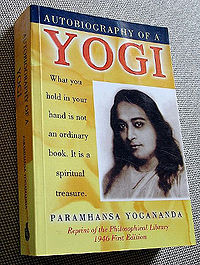
Paramahansa Yogananda (Bengali,Pôromohôngsho Joganondo, Sanskrit: परमहंस योगानंद Paramahaṃsa YogÄ�naṃda; January 5, 1893–March 7, 1952), born Mukunda Lal Ghosh (Bengali:, Mukundo Lal Ghosh), was an Indian yogi and guru who introduced many westerners to the teachings of meditation and Kriya Yoga through his book, Autobiography of a Yogi. Read More: > HERE <
In 1946, Paramahansa Yogananda (January 5, 1893–March 7, 1952), published his life story, Autobiography of a Yogi, which introduced many westerners to meditation and yoga. It has since been translated into 25 languages, and the various editions published since its inception have sold over a million copies worldwide. The book describes Yogananda’s search for a guru, and his encounters with leading spiritual figures such as Therese Neumann, the Hindu saint Sri Anandamoyi Ma, Mohandas Gandhi, Rabindranath Tagore, Nobel Prize-winning physicist Sir C. V. Raman, and noted American plant scientist Luther Burbank, to whom it is dedicated. Read more: > HERE <
Paramahansa Yogananda – Wissenschaftliche Heilmeditationen:
Schon lange bevor Heilmeditationen in solch unterschiedlichen Bereichen wie Krankenhäusern und in der Rehabilitation, im Sport und in den Büros der Manager breite Anwendung fanden, hatte der berühmte Mystiker Paramahansa Yogananda durch sein umfassendes Verständnis die tiefgeistigen Grundlagen gelehrt, welche diese althergebrachte wissenschaftliche Methode so außerordentlich wirksam machen.
In diesem Buch enthüllt er die verborgenen Gesetze, die man sich zunutze machen kann, um seine Gedankenkraft konzentriert einzusetzen – nicht nur um den Körper zu heilen, sondern auch um Hindernisse zu überwinden und sein Leben erfolgreich zu gestalten. Dieser Band enthält neben ausführlichen Anleitungen Heilmeditationen verschiedener Art: zur Heilung des Körpers, zur Entwicklung von Selbstvertrauen, zur Erweckung von Weisheit, zur Überwindung schlechter Gewohnheiten – und zu vielen anderen Zwecken.
-
143 Seiten, Paperback:
-
www.yoga-aktuell.de : > DIE WISSENSCHAFTLICHEN HEILMETHODEN <
> Meet Paramahansa Yogananda friends, groups, studies at fb <
MIND & LIFE: COMPASSION IN ECONOMY

> ALTRUISM & COMPASSION IN ECONOMIC SYSTEMS <
April 9–11, 2010, Kongresshaus, Zurich Switzerland
The Mind and Life Institute is dedicated to fostering dialogue and research at the highest possible level between modern science and the great living contemplative traditions, especially Buddhism. It builds on a deep commitment to the power and value of both of these ways of advancing knowledge and their potential to alleviate suffering.
The ongoing global financial crisis shows clearly just how vulnerable economic systems are to human behavior, particularly to corruption and greed. This strongly suggests that other qualities, such as empathy, pro-social motivation, altruism and compassion may play an essential role in our increasingly competitive global economic system.
But can we really imagine an economic system that delivers prosperity and welfare, or is competition an unavoidable consequence of the human race? How can we, as individuals, help form a society that is both productive and resolves actual societal and environmental problems? What have the sciences to contribute – if anything at all?
By bringing together some of the world’s leading minds, the Mind and Life XX Conference highlights the benefits and limitations of altruism and compassion in economic systems. This offers a unique opportunity to follow a high-level, interdisciplinary exchange of scientists and economists focusing both on individual thinking and the structure of economic systems.
Thus, the conference will build bridges between different disciplines and serve as a catalyst for new research projects and economic initiatives promoting personal responsibility, fairness and compassion.
Mind and Life XIV – Dialogues on „The Universe in a Single Atom“
The Dalai Lama’s book The Universe in a Single Atom: the Convergence of Science and Spirituality highlights those issues he feels are most important in the „convergence of science and spirituality.“ These issues form the focus of this webcast of the Mind and Life XIV meeting, and become the foundation on which a group of scientists develop a deep dialogue with the Dalai Lama and other Buddhist scholar-practitioners. > VIEW HERE <
> Meet Mind and Life, Friends, Studies at facebook <
> Meet Vedic Friends, Studies, Groups at facebook <
GREEN YOGA (T.Y.S.) WITH FEUERSTEIN´s

> First People Arts, Projects <
> TRADITIONAL YOGA STUDIES (TYS)<
Dr. Georg Feuerstein (born 1947) is a German-Canadian Indologist specializing on Yoga. Feuerstein has authored over 30 books on mysticism, Yoga, Tantra, and Hinduism. He has translated, among other traditional texts, the Yoga Sutras of Patanjali and the Bhagavad Gita. Feuerstein moved to England to do his postgraduate research at Durham University and subsequently lived for 23 years in the United States. Today, he is a resident of Canada and lives in Saskatchewan. Read more: > Here <
Any student of Yoga will want to know more about not only the practices of Yoga but also its history and spirituality. One of the best places to turn is to Georg Feuerstein’s acclaimed Shambhala Encyclopedia of Yoga. With more than 100 illustrations (such as the many asana postures and chakra centers) and entries on everything from the Bhagavad Gita to Swami Vivekananda and from the Aryan invasion theory to biofeedback, you can’t go wrong.
Extensive cross-references also facilitate searches for both English and Sanskrit versions of terms. The Shambhala Encyclopedia is a complete yet concise guide to the galaxy of Yoga. Any student of Yoga will want to know more about not only the practices of Yoga but also its history and spirituality. One of the best places to turn is to Georg Feuerstein’s acclaimed Shambhala Encyclopedia of Yoga. With more than 100 illustrations (such as the many asana postures and chakra centers) and entries on everything from the Bhagavad Gita to Swami Vivekananda and from the Aryan invasion theory to biofeedback, you can’t go wrong. Extensive cross-references also facilitate searches for both English and Sanskrit versions of terms. The Shambhala Encyclopedia is a complete yet concise guide to the galaxy of Yoga. ´
The Shambhala Encyclopedia‘ is a must for anyone interested in this complex and lively tradition, and will be a valuable reference by which to gauge the ongoing invention of American yoga. (Beliefnet, May 2000)
> Meet Native American Friends, Studies, Groups at facebook <
> Meet GOPIO – Global Organization of People of Indian Origin <
> Meet IYENGAR (B.K.S.), Yoga, Friends, Studies, Groups at fb<
> Meet Swami Vivekananda, Yoga, Studies, Friends, Groups at fb<
> Meet Bhagavad Gita, Yoga, Studies, Friends, Groups at fb <
> Meet TYS Traditional Yoga Studies Feuerstein at fb <
> Meet Feuerstein´s TYS Green Yoga, Friends, Studies, at fb <
SAVE GANGA, AYURVEDA, YOGA
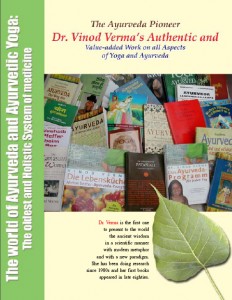
The oldest & holistic System of medicine !
PREM NIRMAL: TRIPURA RAHASYA RETREAT
www.sriramanasevaashram.blogspot.com
TRIPURA RAHASYA RETREAT
The Mystery beyond the Trinity
www.premnirmal.com
Tripura Rahasya was considered by Bhagavan Sri Ramana Maharshi as one of the greatest works that expounded advaita philosophy. He often quoted from it and regretted that it was not available in English. As a consequence Sri Munagala Venkataramaiah (now Swami Ramanananda Saraswathi) took up the work of translation in 1936 as another labour of love, adding just one more English translation to his already extensive store. This was first published in parts in the Bangalore Mythic Society’s Journal (Quarterly) from January 1938 to April 1940 and afterwards collected into book form, of which five hundred copies were printed and privately circulated. The Asramam has since taken over the copyright and made it one of their official publications.
Mahavidya in Hinduism, Shaktism: > Here <
DATTATREYA UPANISHAD: > Here <
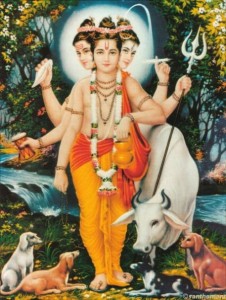
Tripura Rahasya was considered by Bhagavan > Sri Ramana Maharshi < as one of the greatest works that expounded > Advaita philosophy <. Tripura literally means the three cities. They are the states – Jagrat (waking state) – Svapna (dream state) and Shushupti (deep sleep state). The undercurrent of consciousness in all of them, remaining unaffected, is metaphorically called the Resident Mistress by name of > Sri Tripura < . The procreative faculty generating new beings and the link of altruistic love connecting the offspring to the parent are personified in the Mother; hence the feminine termination of Tripura. „The way to transcendence“ signifies that interest in Tripura purifies the mind and creates the zeal for enquiry into the Truth. As in many of the Great Indian texts, the presentation is that of a dialogue between Master (Dattatreya) and Disciple (Parasurama). The latter conveys his doubts, one after another to His Master who responds patiently with clarity and using as great a variety of explanations as the quantity of doubts thrown at him. Slowly but surely, He destroys his Disciple’s every doubt and misconceptions thus revealing the Truth beyond all states: the Stateless State.
During this retreat we will practice Chakrodaya Dhyan with sandhikal jagrukta, Suprashant Pranayam, Nirmal Kriya with Nirmal Mudra to dive deep in Meditation to explore the unknown and unknowable. Also we will have many insights form Tripura Rahasya to contemplate! Because of the intensive nature of this retreat, no. of participants is limited to a small group. Entry to this camp is on first come first serve basis. Senior citizens having problems of movement will be given rooms on ground floor near conference room.
This retreat is an ideal combination “Dhyan – Gyan – Bhakti” (Meditation – Understanding – Devotion) that will help you to settle your understanding of the process of Enlightenment and Ascension. We will practice various methods of meditation and contemplation to internalize Tripura Rahasya that will help you to sustain enlightenment. Please note that this retreat is only for those who have a strong desire to learn, grow and walk the path to sustained enlightenment. Those who have attended ADP Camp and /or have background of Kashmir Shaivism are most welcome.
Please note that there are no eligibility criteria for this camp. All sincere seekers of truth who are ready to dive deep within and explore the unknown are welcome. Those seekers who had Satori experience or Enlightenment experience in past are welcome to learn further on how to sustain the enlightenment.
This retreat will be personally conducted by Guruji Prem Nirmal. To know more about Guruji explore www.premnirmal.com
To register for this event, ask for the registration form and detailed leaflet by mail to pdnirmal@gmail.com for any further help Call 09769543111
> Meet Ramana Maharshi Groups, Friends, Studies, Fans at facebook <
> Meet Hinduism, Groups, Friends at facebook <
> Meet Kashmir Hinduism, Studies, Friends at facebook <
> Meet Shaktism and Devi the Godess at facebook <
> Meet Saundaryalahari: Wave of Bliss by Shankaracharya at fb <
> Meet Arsha Vidya Gurukulam, Studies, Friends, Fans, at fb <
> Meet Advaita Vedanta,Groups,Friends,Studies, Vivekananda at fb <
> Meet Prem Nirmal and Friends at facebook <
> Meet Sri Ramana Maharshi Seva Ashram at facebook <
SRI RAMANA MAHARSHI, HERBAL MEDICINE
> DOWNLOADS, BIOGRAPHY, MEDICINAL RECIPES <
> DR. V. MANICKAM – SRI RAMANA HERBS <
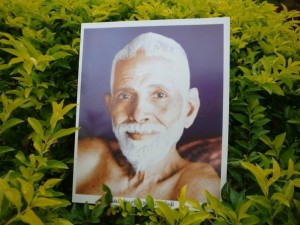
Sri Ramana Maharshi (Tamil: ரமண மஹரிஷி) (December 30, 1879 – April 14, 1950), born Venkataraman Iyer, was an Indian sage. He was born to a Tamil-speaking Brahmin family in Tiruchuzhi, Tamil Nadu. After having attained liberation at the age of 16, he left home for Arunachala, a mountain considered sacred by Hindus, at Tiruvannamalai, and lived there for the rest of his life. Arunachala is located in Tamil Nadu, South India. Although born a Brahmin, after having attained moksha he declared himself an „Atiasrami“, a Sastraic state of unattachment to anything in life and beyond all caste restrictions.
Sri Ramana maintained that the purest form of his teachings was the powerful silence which radiated from his presence and quieted the minds of those attuned to it. He gave verbal teachings only for the benefit of those who could not understand his silence. His verbal teachings were said to flow from his direct experience of Consciousness as the only existing reality. When asked for advice, he recommended self-enquiry as the fastest path to moksha. Though his primary teaching is associated with Non-dualism, Advaita Vedanta, and Jnana yoga, he recommended Bhakti to those he saw were fit for it, and gave his approval to a variety of paths and practices. Read more: > Here <
Bhagavan Ramana and Herbal Medicine
By Dr Manikkam
The essence of all beings is earth. The essence of earth is water. The essence of water is the herb. The essence of the herb is the human being. So says a maxim of the Chandogya Upanishad.
The health traditions of India extend to thousands of years. It perhaps started with the cave man who consumed roots, leaves and herbs raw before discovering fire and subsequently the means of cooking. In this, however, man was only imitating the animals which consumed plants to alleviate health disorders. Nature has provided animals with hindsight that helps them recognise symptoms of bodily disorders, the means of selfdiagnosis and self-medication. The monkey provides one of the most common and best examples. To this, we shall revert later. In India, before codified medicinal systems like Ayurveda and Siddha took roots, folk curative traditions based on observation and experimentation were developed and nurtured.
This tradition had its variants in accordance with climate, terrain and habits; but the essence was the same. The plant kingdom was considered the saviour. General health disorders were treated by a combination of various plants and herbs. Each and every part of a plant was useful root, bark, stem, leaf, flower, fruit and seed. Methods were developed to extract the maximum benefits from each of the parts of a plant. This glorious tradition which was the forerunner to Siddha and Ayurveda, was passed through word of mouth to successive generations. The grandmother in the house was the main custodian of this oral tradition. Proverbs were created and repeated any number of times by the elders in the family to emphasise the importance of healthy living, both physical as well as mental. These proverbs have stood the test of time and they remain intact to guide us. The properties and benefits of herbs and plants were enshrined in easy to understand language.
All Indian languages had their own variants of these health proverbs. The most important feature of the ancient Indian systems of medicine is to look at the human being as a whole entity. The physiological part of it was not divorced from the psychological and the psychical. The body, mind and soul were not treated separately, but as constituting a wholesome single entity. Ancient puranic tradition has it that this system was practised by the rishis, siddhas and devas, the celestial beings. The siddhas were seekers after God. It was they who scientifically developed and nurtured various disciplines such as yoga, medicine, linguistics and other allied arts and sciences.
FULL TEXT ABOUT HERBAL SYSTEM, MEDICINE, RECIPE´s and more: > HERE <
Dr. Manickam and his family are very humble devotees of Bhagavan. His tradition is ‚Herbal Medicine‘, which combines Herbal remedies with the Ayurvedic and Siddha systems of medicine using modern diagnostic techniques. He uses and researches some of the medicinal recipes created by Bhagavan Sri Ramana Maharshi, plus those of his father and grandfather.
All of Bhagavan’s recipes replace the more traditional Ayurvedic ones with pure herbal formulae, which have been found by doctor Manickam to have many times the potency and effectiveness of the traditional recipes. They also have no known side-effects.
All of Bhagavan’s recipes use herbs found on and around Arunachala, this of course adds priceless value to those recipes.
Anyone suffering from ailments and not happy with Western treatments can contact Dr. Manickam at the address and telephone number below …..
Dr. V. Manickam
Sri Ramana Herbs
54-c Mathalangula Street
Tiruvannamalai – 606 601
Tamil Nadu
South India
-
Telephone: (0091) 4175 251937 – NEW Telephone number
- Email – Dr Manickam <drmanickam_tvm@sify.com> – NEW E-mail address.
-
Dr. Manickam is a registered practitioner … Reg. No. 10327 (H)
Tiruvannamalai Charities Supported by This Site:
The three charities listed below have been thoroughly checked by myself and all are genuine.
Ramana Maharshi Rangammal Memorial Hospital and School – 1.4 Mb
Shanthimalai Research & Development Trust – 1.0 Mb
Sanmarga Dayasramam Trust – 1.4 Mb
> Meet Ramana Maharshi Groups, Friends, Studies, Fans at facebook <
> Meet Sri Ramana Seva Ashram,Rachapalli at facebook <
> Meet Herbals & Naturals at facebook <
> Meet Arsha Vidya Gurukulam, Studies, Friends, Fans, at fb <
> Meet Advaita Vedanta,Groups,Friends,Studies, Vivekananda at fb <